

CMS Grammar School, Lagos โ Nigeriaโs First Secondary School
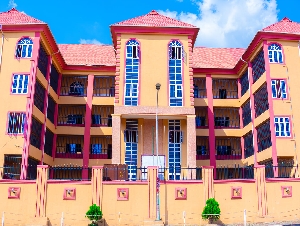
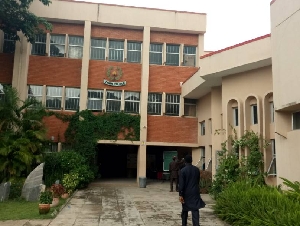
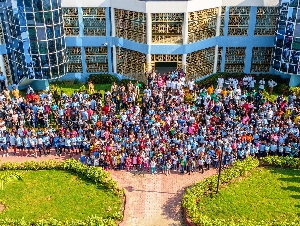
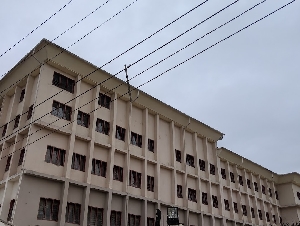
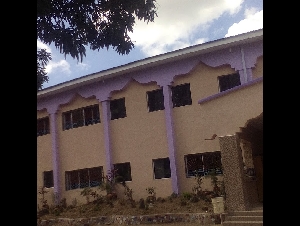
Located in Bariga, a suburb of Lagos State, CMS Grammar School holds the historic distinction of being the oldest secondary school in Nigeria. It was founded on 6 June 1859 by the Church Missionary Society (CMS) and served for decades as the primary training ground for African clergymen and colonial administrators in the Lagos Colony.
Founding & Early Support
The establishment of CMS Grammar School was made possible through the philanthropic support of James Pinson Labulo Davies, who in April 1859 provided ยฃ50 (equivalent to approximately โฆ1.34 million in 2014) to Babington Macaulay for the purchase of books and school equipment. This funding enabled Macaulay to officially open the school on 6 June 1859โmarking the birth of secondary education in Nigeria.
In 1867, Davies further contributed ยฃ100 (โฆ2.68 million as of 2014) towards the CMS Grammar School Building Fund. Other notable contributors included both Saro and non-Saro Lagosians such as:

Daniel Conrad Taiwo (Taiwo Olowo) โ ยฃ50
Moses Johnson
I.H. Willoughby
T.F. Cole
James George
Charles Foresythe โ ยฃ40
The school drew inspiration from the CMS Grammar School in Freetown, Sierra Leone, which had been established in 1848.
Early Years & Academic Focus
CMS Grammar School began with just six students, all boarders, housed in a modest single-storey structure known as the โCotton Houseโ on Broad Street, Lagos Island. The initial aim was to train young African boys for the Christian ministry.
The original curriculum was robust and intellectually rigorous, offering subjects such as:
English Language
Logic
Greek
Arithmetic & Geometry
Geography & History
Bible Knowledge
Latin
Leadership & Legacy
The schoolโs first principal was Babington Macaulay, a revered scholar and theologian, who led the school until his death in 1878. He is also remembered as the father of Herbert Macaulay, a key figure in Nigeriaโs nationalist movement.
When the British Colony of Lagos was officially established in 1861, CMS Grammar School became the primary source of educated African personnel for the colonyโs clerical and administrative workforce.