Trump Expects Iran Peace Deal Soon, But Timing Remains Uncertain
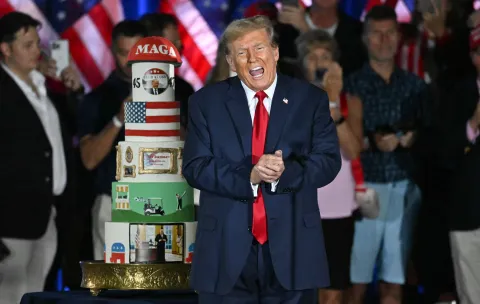
A potential agreement between the United States and Iran appears closer than it has been in months, but uncertainty remains over exactly when a memorandum of understanding (MOU) will be signed. While U.S. President Donald Trump has expressed confidence that an agreement is imminent, Iranian officials have suggested that negotiations are still ongoing.
Key Update: Trump said he expects an interim agreement involving Iran and the reopening of the Strait of Hormuz to be signed soon. However, Iranian officials have pushed back on the proposed timeline, saying the deal has not yet been finalized.
What Is the Proposed Agreement?
The emerging memorandum of understanding is expected to focus on reopening the Strait of Hormuz, reducing military tensions, and creating a framework for future negotiations regarding Iran's nuclear program. The agreement would serve as an initial step rather than a final comprehensive settlement.
Trump Predicts Quick Signing
President Trump has repeatedly stated that an agreement could be signed very soon and has portrayed the negotiations as a major diplomatic breakthrough. U.S. officials believe significant progress has been made after months of mediation involving several regional countries.
Iran Questions the Timeline
Iranian officials have indicated that discussions continue and that certain key issues remain unresolved. While they have not ruled out an agreement, they have suggested that reports of an immediate signing may be premature.
Importance of the Strait of Hormuz
The Strait of Hormuz remains one of the world's most strategically important waterways, serving as a major route for global energy shipments. Reopening and securing the passage has become one of the central objectives of the negotiations.
Remaining Points of Disagreement
Reports indicate that issues involving sanctions relief, access to frozen assets, maritime regulations, and future nuclear negotiations continue to be debated. These details could influence both the timing and final structure of any agreement.
Role of International Mediators
Several countries, including Pakistan, Qatar, Egypt, and Turkey, have reportedly helped facilitate discussions between Washington and Tehran. Their involvement has been viewed as critical in maintaining communication channels throughout the negotiations.
Market and Economic Impact
Financial markets are closely monitoring developments because a successful agreement could ease geopolitical uncertainty, stabilize energy markets, and improve investor confidence. Oil prices have been particularly sensitive to news surrounding the negotiations.
What Happens Next?
Even if an initial memorandum is signed, substantial technical negotiations would still be required. Future talks would likely focus on implementation details, verification mechanisms, regional security issues, and long-term nuclear arrangements.
Final Thoughts
The latest developments suggest that the United States and Iran may be closer to an agreement than at any point in recent months. However, differing public statements from both sides indicate that important details remain unresolved.
Whether the memorandum is signed immediately or after further negotiations, the discussions represent a significant diplomatic effort aimed at reducing tensions and restoring stability in a strategically important region.
Tech Insight: Modern diplomacy increasingly relies on digital communication, electronic document signing, and real-time international coordination. These tools allow complex negotiations involving multiple countries to move faster than traditional diplomatic processes.


.jpeg)