Elon Musk’s Trillion-Dollar Fortune Sparks New Debate Over Wealth Management
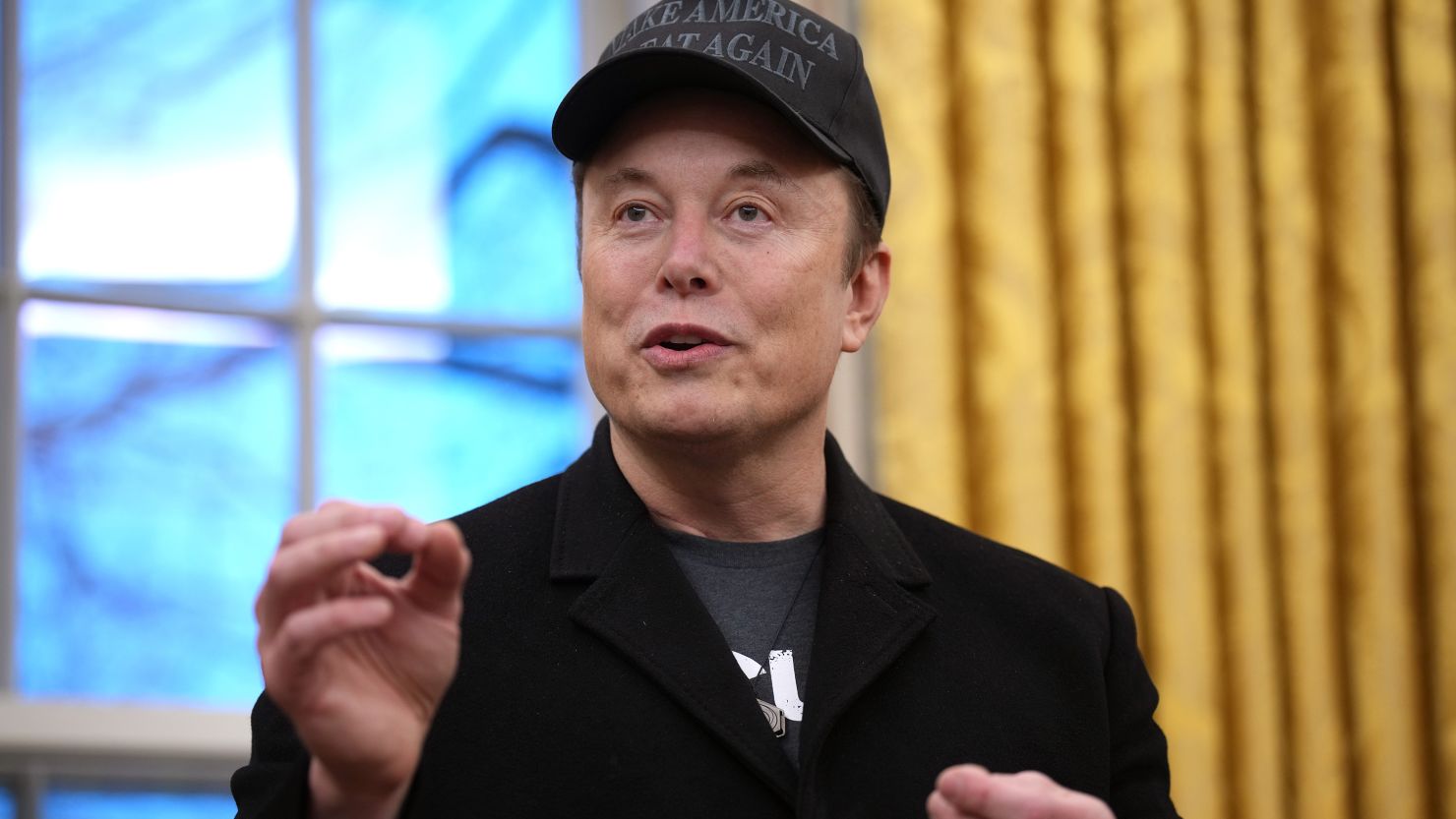
Following SpaceX's record-breaking public debut, Elon Musk has officially become the world's first trillionaire. The milestone has triggered widespread discussion among investors, economists, and wealth-management experts about how such unprecedented wealth is created, managed, and preserved in the modern era.
Historic Milestone: SpaceX's blockbuster IPO pushed Elon Musk's estimated net worth to approximately $1.1 trillion, making him the first individual in history to reach trillionaire status.
How Musk Reached Trillionaire Status
The majority of Musk's fortune comes from his ownership stakes in SpaceX and Tesla. Following SpaceX's historic IPO, the value of his holdings surged dramatically, with SpaceX alone accounting for hundreds of billions of dollars in wealth. Investors continue to assign a significant premium to companies associated with Musk's long-term vision and innovation strategy.
The Rise of the “Muskonomy”
Financial analysts have increasingly referred to Musk's network of companies as the "Muskonomy"—an interconnected ecosystem that includes SpaceX, Tesla, xAI, and X. Supporters argue that this ecosystem creates powerful synergies between artificial intelligence, transportation, communications, and space technology.
Unlike many wealthy individuals who keep large amounts of cash, Musk's wealth is primarily tied to company ownership. Most of his fortune exists on paper through stock holdings rather than liquid cash. As a result, fluctuations in stock prices can significantly impact his net worth from day to day.
A Surprisingly Minimalist Lifestyle
Despite his immense wealth, Musk has frequently stated that he prefers a relatively simple lifestyle. Reports indicate that he continues to live in a modest prefabricated home near SpaceX's Texas facilities rather than maintaining a vast portfolio of luxury residences.
Family Office and Wealth Oversight
Much of Musk's financial affairs are reportedly managed through his family office, which helps oversee investments, assets, and strategic financial planning. Family offices have become increasingly common among ultra-high-net-worth individuals seeking centralized management of complex holdings.
The Challenge of Preserving Wealth
Managing a trillion-dollar fortune involves challenges that extend beyond investing. Issues such as taxation, philanthropy, succession planning, regulatory compliance, and long-term capital allocation become increasingly important as wealth grows to unprecedented levels.
Supporters and Critics Remain Divided
Supporters view Musk as one of the most influential innovators of the modern era, crediting him with advancing electric vehicles, private space exploration, and artificial intelligence. Critics, however, argue that the emergence of trillionaire-level wealth highlights growing concerns about economic inequality and concentration of financial power.
What Comes Next?
Following the IPO, Musk has suggested that SpaceX could eventually generate annual revenue approaching $1 trillion by the end of the decade. While many analysts consider such projections highly ambitious, they demonstrate the scale of expectations surrounding the company's future growth.
Final Thoughts
Elon Musk's ascent to trillionaire status represents one of the most significant milestones in modern financial history. Beyond the headline figure, the achievement highlights how technology, artificial intelligence, space exploration, and capital markets are increasingly interconnected.
Whether viewed as a triumph of innovation or a symbol of growing wealth concentration, Musk's trillion-dollar fortune is likely to remain a defining topic in discussions about business, technology, and the future of global wealth for years to come.
Wealth Insight: Most billionaire and trillionaire fortunes are not held in cash. Instead, they are largely tied to ownership stakes in businesses, meaning their net worth can rise or fall dramatically based on market valuations and company performance.




.jpeg)




















































.jpg)