NASU Demands Equal Allowances With ASUU in FG Renegotiation Talks

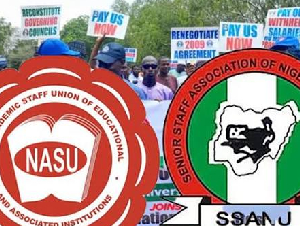
The Non-Academic Staff Union of Educational and Associated Institutions (NASU) has called on the Federal Government to ensure equal treatment in allowance payments with the Academic Staff Union of Universities (ASUU) as ongoing renegotiation talks continue.
The union argues that non-academic workers in Nigerian universities face the same economic conditions as academic staff and therefore deserve parity in welfare packages, especially following recent adjustments to ASUU allowances.
The demand has added fresh tension to ongoing negotiations in the tertiary education sector, where multiple unions are seeking improved remuneration and better working conditions.
Breaking Update: NASU is demanding equal allowance structure with ASUU following FG’s ongoing renegotiation of university workers’ welfare packages.
What NASU Is Asking For
NASU is pushing for full parity in allowances between academic and non-academic staff in Nigerian universities. According to union leadership, the current structure favours ASUU members despite both groups operating under the same economic realities.
The union insists that issues such as inflation, cost of living, and rising expenses affect all university workers equally, making differential treatment unfair.
NASU has also rejected earlier proposals that offered lower percentage increases compared to what was approved for academic staff, describing such offers as inadequate.
Why the Demand Is Happening Now
The demand comes amid ongoing renegotiation talks between the Federal Government and university-based unions aimed at resolving long-standing disputes over welfare, allowances, and salary structures.
Recent adjustments in ASUU allowances have triggered renewed conversations among non-academic unions, who argue that they have historically been left behind in benefit distributions.
Union leaders say this moment presents an opportunity to correct long-standing disparities within the university system.
Impact on Nigeria’s Education Sector
The growing tension between university unions has the potential to affect stability in Nigeria’s tertiary education system if not carefully managed.
NASU, along with other non-teaching unions, plays a critical role in university administration, laboratory operations, and student services. Any breakdown in negotiations could disrupt academic activities across campuses.
Stakeholders are urging the Federal Government to adopt a balanced approach that ensures fairness while maintaining industrial harmony.
What Happens Next in the Negotiations
The Federal Government is expected to continue discussions with all university-based unions as part of a broader renegotiation process covering salaries, allowances, and working conditions.
Observers believe that achieving parity or a fair compromise between academic and non-academic staff will be key to preventing future strikes and disruptions.
The outcome of these talks could shape labour relations in Nigeria’s higher education sector for years to come.
Final Thoughts
NASU’s demand for equal allowances highlights long-standing tensions within Nigeria’s university system regarding fairness and compensation.
As negotiations continue, the Federal Government faces pressure to balance competing demands while ensuring stability in the education sector.
The resolution of this issue will be critical in determining whether Nigerian universities maintain uninterrupted academic activities or face renewed labour disputes.
Industry Watch: Wage parity debates between academic and non-academic staff continue to be a major factor in Nigeria’s ongoing tertiary education reforms.












.jpeg)