FG Introduces CBT for Technical Colleges Entrance Examination Across Nigeria
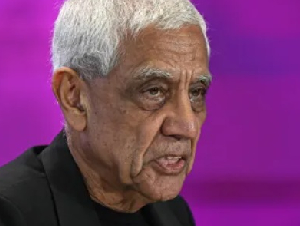
 Education Minister, Tunji Alausa
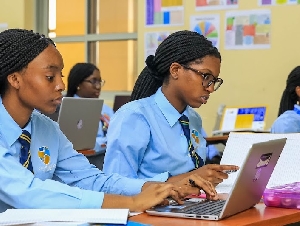
The Federal Government has begun testing a Computer-Based Test (CBT) format for the entrance examination into Federal and State Technical Colleges, marking a major step toward digitising Nigeria’s education assessment system.
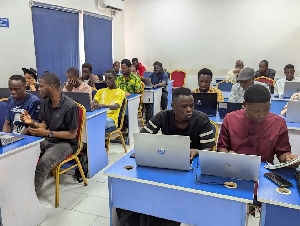
The pilot exercise was conducted during the 2026 National Common Entrance Examination, where candidates were exposed to both traditional paper-based tests and a CBT session coordinated by the National Business and Technical Examinations Board (NABTEB). The move is aimed at preparing the country for a full transition to digital examinations in the near future.
Education officials say the initiative reflects the government’s broader push to improve examination integrity, modernise learning systems, and strengthen technical and vocational education nationwide.
Education Update: FG has piloted CBT during the 2026 technical colleges entrance exam to test readiness for a full digital transition.
How the CBT Pilot Was Conducted
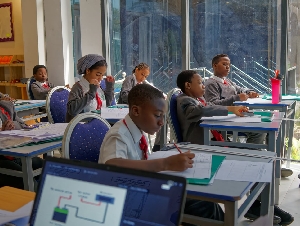
The examination was held nationwide across selected centres, alongside the conventional paper-based entrance test. After completing the written exam, candidates were also given a CBT session designed to assess their familiarity with digital testing systems.
The National Business and Technical Examinations Board (NABTEB) coordinated the exercise, ensuring smooth operations in centres across states, including Abuja locations such as Federal Technical College, Orozo, and Government Secondary School, Garki.
Officials monitored the process to evaluate infrastructure readiness, candidate performance, and the feasibility of scaling CBT for future nationwide exams.
Why the Government Is Introducing CBT
According to education authorities, the shift toward CBT is part of a long-term plan to modernise Nigeria’s examination system and improve efficiency in student assessment.
The government believes CBT will help reduce examination malpractice, speed up result processing, and improve transparency in admissions into technical and vocational institutions.
It also aligns with ongoing reforms in other national examination bodies as Nigeria gradually transitions more assessments into digital formats.
Boost for Technical and Vocational Education
The CBT pilot is closely linked to the Federal Government’s wider effort to promote Technical and Vocational Education and Training (TVET) as a pathway to employment and entrepreneurship.
Officials say technical colleges are being repositioned to equip students with practical skills in engineering, construction, ICT, and other trade-based disciplines that are in high demand in the labour market.
By integrating CBT into the admission process, the government hopes to attract more young Nigerians into technical education and improve the credibility of the system.
What It Means for Students
For students, the introduction of CBT means future entrance examinations may become fully computer-based, requiring candidates to be comfortable with digital testing environments.
Education experts say this transition will encourage students to develop basic ICT skills early, which are essential in today’s digital economy.
However, stakeholders also stress the need for adequate infrastructure, especially in rural areas, to ensure equal access to CBT-based exams across the country.
Final Thoughts
The pilot CBT exercise for technical colleges entrance exams represents a major step in Nigeria’s education reform journey.
While still in its early stages, the initiative shows the government’s commitment to modernising assessment systems and improving the quality of technical education.
If fully implemented, CBT could reshape how students gain admission into technical colleges and strengthen Nigeria’s push toward a more digitally driven education system.
Industry Watch: Nigeria is gradually expanding computer-based testing across national examinations to improve efficiency, transparency, and digital literacy among students.