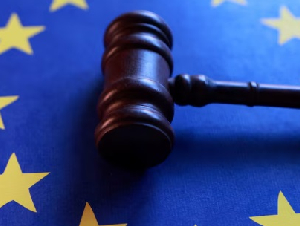
France Wins Backing for Online Age Verification Rules in Major EU Court Decision

France has secured a significant legal victory after a European Union court ruled that the country can enforce age-verification requirements on adult-content websites. The decision strengthens France's efforts to improve online safety and prevent minors from accessing content that is intended only for adults.
The ruling comes as governments across Europe continue to increase pressure on digital platforms to adopt stronger protections for younger internet users. With smartphones, tablets, and high-speed internet becoming increasingly accessible, policymakers have expressed concerns about how easily underage users can reach restricted online content.
French authorities have argued that traditional warning pages and simple age-confirmation buttons are no longer sufficient. Regulators believe that more reliable verification systems are necessary to ensure that age restrictions are genuinely effective rather than merely symbolic. The court's decision provides important support for that position and could influence how online safety policies develop throughout Europe in the coming years.
Digital Regulation Update: The EU court's ruling allows France to continue enforcing stricter age-verification requirements as part of its broader strategy to protect minors online.
Why France Introduced the Measures
French lawmakers have increasingly focused on child protection in the digital era. Officials argue that the internet has transformed how young people access information and entertainment, creating new challenges for regulators, educators, and parents. While online platforms provide many benefits, concerns have grown regarding exposure to age-restricted content.
Authorities believe stronger verification systems can help ensure that online restrictions are meaningful and effective. The goal is not simply to regulate websites but to establish safeguards that reduce the risk of inappropriate content reaching younger audiences.
Supporters of the measures argue that technology companies have a responsibility to implement systems that protect vulnerable users. They maintain that the same principles applied in physical environments should also apply online, especially when dealing with content intended exclusively for adults.
The Broader European Push for Online Safety
The decision reflects a wider movement across Europe toward stronger digital regulation. In recent years, European policymakers have introduced numerous laws aimed at increasing transparency, improving privacy protections, strengthening platform accountability, and enhancing online safety.
Child protection has become one of the most prominent issues within these discussions. Governments throughout the region have expressed concern about the challenges parents face in monitoring online activity and ensuring age-appropriate internet experiences.
As digital platforms continue expanding their influence, regulators are increasingly examining whether existing safeguards are sufficient. Many lawmakers believe stronger verification systems, improved content controls, and greater platform responsibility will become central components of future digital policy.
Impact on Technology Companies
The ruling may require online platforms operating in France to invest further in compliance systems and age-assurance technologies. Companies serving European users are already adapting to an evolving regulatory environment that places greater emphasis on accountability and consumer protection.
For some businesses, compliance could involve upgrading verification procedures, implementing new technical safeguards, and demonstrating adherence to local regulations. Larger organizations may find adaptation easier due to their resources, while smaller operators could face additional challenges.
Industry observers believe the decision sends a clear signal that regulators are prepared to enforce online safety standards more aggressively. Companies operating across multiple countries may need to review their compliance strategies as governments continue introducing new digital regulations.
Balancing Safety and Privacy
One of the most debated aspects of age verification involves balancing safety objectives with privacy concerns. While many support stronger protections for minors, others argue that verification systems must be designed carefully to avoid unnecessary collection of personal information.
Technology experts have suggested various approaches that could allow users to verify eligibility without exposing excessive personal data. As age-verification technologies continue to evolve, finding solutions that satisfy both safety and privacy requirements remains a major priority.
The debate is likely to continue as governments, technology companies, privacy advocates, and consumer groups work to identify effective approaches that protect users while preserving fundamental rights.
What the Decision Means Going Forward
The court's ruling may have implications far beyond France. Other countries are closely watching developments in digital regulation and may consider similar approaches if they believe stronger protections are necessary.
The decision also highlights the growing willingness of governments to intervene in digital markets and establish clearer expectations for platform operators. Online safety, particularly for younger users, is expected to remain a key policy priority throughout Europe and many other regions.
As internet technologies continue evolving, lawmakers will likely face new questions regarding platform responsibility, age verification, content moderation, and user protection. The outcome of this case could influence future regulatory frameworks and contribute to broader discussions about the future of online governance.
Final Thoughts
France's legal victory represents an important milestone in Europe's ongoing effort to strengthen online safety protections. By supporting age-verification requirements, the court has reinforced the ability of governments to pursue measures aimed at protecting minors in digital environments.
The decision arrives during a period of increasing scrutiny of technology companies and growing demand for stronger online safeguards. As regulators continue refining digital policies, age verification and child protection are likely to remain central topics in future legislative debates.
Whether other countries adopt similar measures remains to be seen, but the ruling clearly demonstrates that online safety is becoming an increasingly important priority for governments seeking to balance innovation, consumer rights, privacy, and protection for younger internet users.
Industry Watch: Online safety regulations are expanding globally as governments seek stronger protections for minors and greater accountability from digital platforms.




















.jpeg)