UBEC Verifies 518 Schools Ahead of ₦5.18 Billion Education Intervention Programme
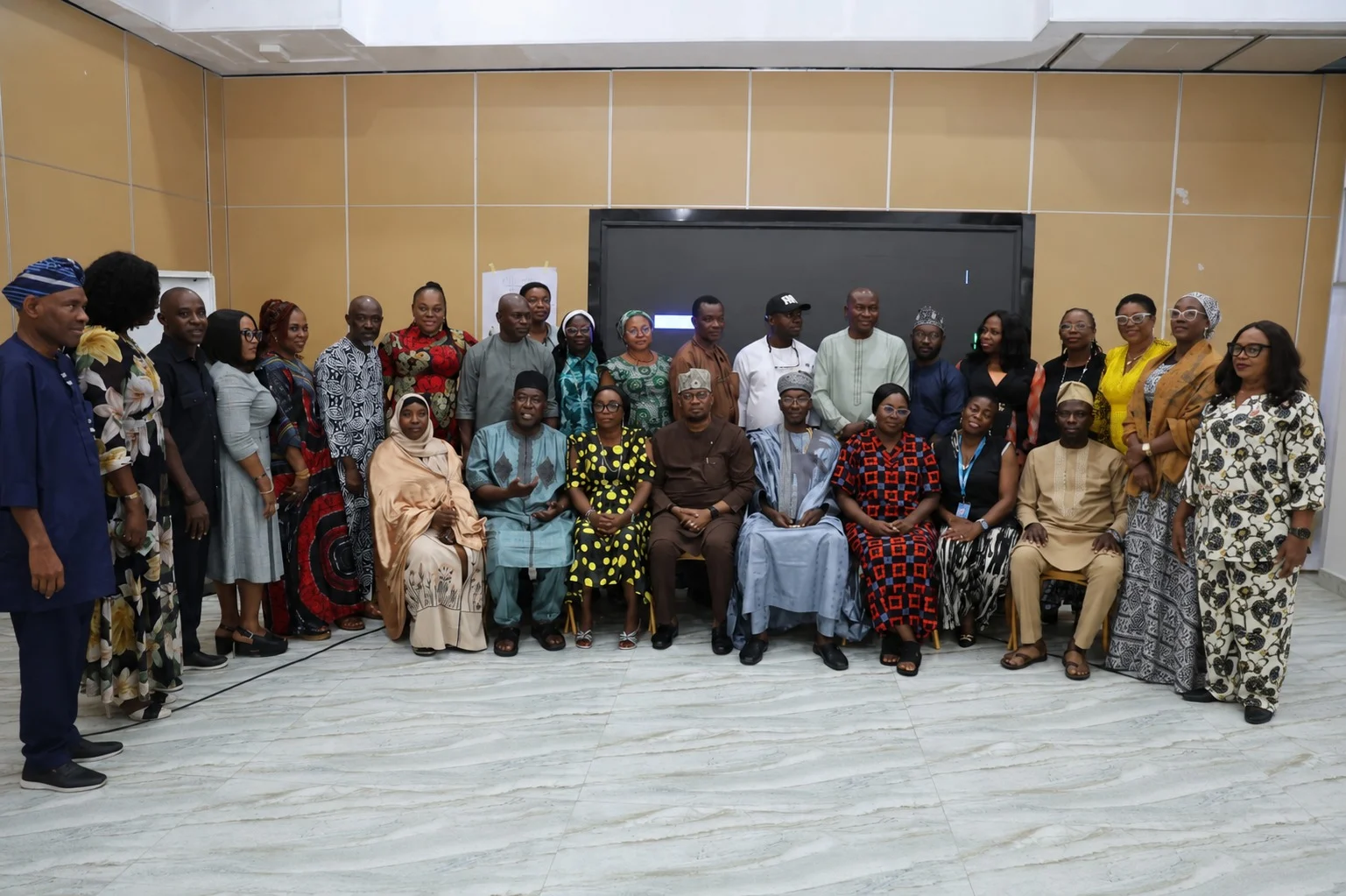
The Universal Basic Education Commission (UBEC) has completed the verification of 518 schools across Nigeria ahead of the disbursement of ₦5.18 billion under its School-Based Management Committee–School Improvement Programme (SBMC-SIP).
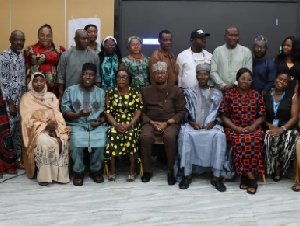
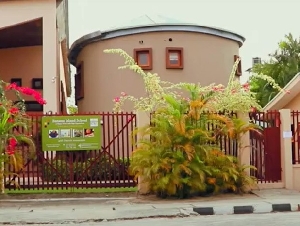
The verification exercise was conducted to ensure that beneficiary schools meet the requirements for the intervention programme and that resources are directed toward communities with the greatest educational infrastructure needs. The initiative forms part of ongoing efforts to improve learning environments, strengthen community participation in school governance, and reduce the number of out-of-school children nationwide.
Education stakeholders believe the intervention will contribute significantly to the rehabilitation of public schools, provision of essential facilities, and improvement of teaching and learning conditions in underserved communities.
Education Update: UBEC has verified 518 schools across Nigeria ahead of a ₦5.18 billion intervention programme aimed at improving school infrastructure, learning environments, and community participation in education.
Why UBEC Conducted the Verification Exercise
The verification exercise was designed to ensure transparency, accountability, and proper allocation of intervention funds before disbursement.
By physically assessing schools and validating project needs, UBEC aims to ensure that only qualified institutions benefit from the programme. Officials believe this approach will help maximize the impact of government investment in basic education while reducing the risk of misallocation of resources.
The process also provides updated information on infrastructure gaps, classroom conditions, furniture requirements, and sanitation needs within participating schools.
How the ₦5.18 Billion Fund Will Be Used
According to UBEC, the intervention will prioritize critical infrastructure improvements in schools located in underserved communities.
Projects expected to benefit from the funding include:
• Rehabilitation of dilapidated school buildings
• Construction and renovation of classrooms
• Provision of classroom furniture
• Improvement of water, sanitation, and hygiene (WASH) facilities
• Enhancement of learning environments for pupils and teachers
The programme is expected to support 518 communities nationwide, with schools selected from all states and the Federal Capital Territory.
Strengthening Community Participation in Education
One of the key objectives of the School-Based Management Committee–School Improvement Programme is to encourage stronger community involvement in school development.
Under the initiative, local communities participate in identifying priority needs, monitoring projects, and ensuring accountability throughout implementation.
Education experts have long argued that schools perform better when parents, community leaders, and local stakeholders actively participate in educational planning and decision-making processes.
Impact on School Infrastructure Nationwide
UBEC reports that previous intervention cycles have already supported thousands of school improvement projects across the country.
The commission notes that more than 13,000 community-driven projects have been initiated under earlier phases of the programme, contributing to better school facilities and improved learning conditions.
Officials believe the latest ₦5.18 billion intervention will further strengthen public basic education infrastructure and help address longstanding facility deficits in many schools.
Supporting the Fight Against Out-of-School Children
Improved school facilities are considered an important factor in attracting and retaining learners.
Many education experts believe that poor infrastructure contributes to low enrollment and high dropout rates in some communities. By upgrading schools and improving learning conditions, authorities hope to encourage more children to enroll and remain in school.
The intervention aligns with broader national efforts to reduce the number of out-of-school children and improve access to quality basic education throughout Nigeria.
What Stakeholders Are Expected to Do
UBEC has emphasized the importance of transparency and accountability throughout the implementation process.
State Universal Basic Education Boards (SUBEBs), community leaders, school administrators, and School-Based Management Committees are expected to monitor projects closely and ensure that allocated resources are used effectively.
Successful implementation will depend on collaboration among all stakeholders involved in the delivery of the intervention programme.
Final Thoughts
The verification of 518 schools ahead of the ₦5.18 billion intervention programme represents an important step toward improving educational infrastructure across Nigeria.
By ensuring that beneficiary schools are properly assessed before funds are released, UBEC hopes to strengthen accountability while maximizing the impact of public investment in education.
If effectively implemented, the programme could improve learning environments, support community participation, enhance school infrastructure, and contribute to ongoing efforts to provide quality basic education for every Nigerian child.
Education Watch: School infrastructure development and community participation remain key pillars of Nigeria's strategy to improve basic education and reduce the number of out-of-school children nationwide.



































.jpg)