26. April 2026
Admin
Elon Musk vs OpenAI: Fraud Claims Dropped against OpenAI, Altman ahead of trial
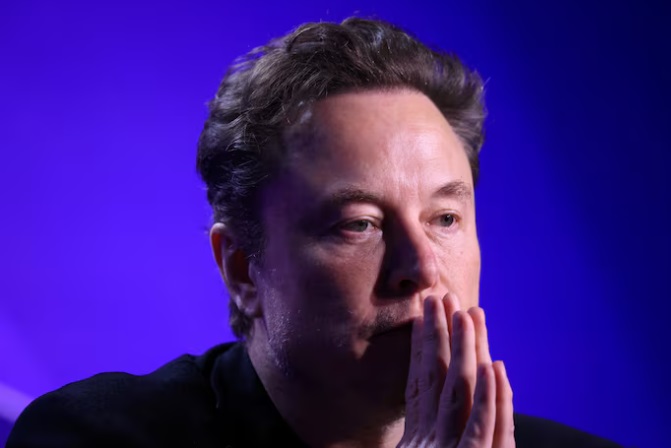
A major legal battle in the artificial intelligence industry is unfolding as Elon Musk’s lawsuit against OpenAI and its CEO, Sam Altman, moves closer to trial. In a surprising development, Musk has dropped his fraud claims, shifting the focus of the case to deeper issues surrounding control, ethics, and the future of AI.
This article explains what happened, what the lawsuit is really about, and why it could shape the future of the AI industry.
Quick Insight: The case is no longer about fraud — it is now about whether OpenAI abandoned its original mission and who should control powerful AI systems.
What Happened in the Case
Elon Musk filed a lawsuit against OpenAI, accusing the organization of deviating from its original nonprofit mission.
Key Updates:
- Fraud claims have been dropped before trial
- The case is still moving forward
- Focus has shifted to structural and ethical issues
- Legal battle is expected to be highly influential
Explanation:
Dropping the fraud claims does not end the case — it refines it by focusing on arguments that are easier to prove in court.
What the Lawsuit is Really About
The central dispute revolves around OpenAI’s transformation over time.
Main Arguments:
- OpenAI was originally founded as a nonprofit
- It later adopted a profit-driven structure
- Musk claims this change violated its original purpose
- OpenAI argues the transition was necessary and transparent
Explanation:
The case is focused on whether OpenAI stayed true to its mission or shifted priorities toward commercial gain.
Why Fraud Claims Were Dropped
Fraud is one of the hardest legal claims to prove in court.
Possible Reasons:
- Higher legal burden of proof
- Strategic decision to strengthen the case
- Faster trial process without complex claims
- Focus on more viable legal arguments
Explanation:
This move is seen as a legal strategy rather than a defeat, allowing Musk’s team to concentrate on stronger claims.
What the Trial Will Focus On
With fraud claims removed, the trial will now center on other major legal issues.
Core Focus Areas:
- Breach of original mission or trust
- Unjust enrichment and profit structures
- Corporate governance of AI organizations
- Accountability in AI development
Explanation:
The court will examine whether OpenAI’s current structure aligns with its founding principles.
Why This Case Matters for Cybersecurity and AI
The outcome of this lawsuit could have wide implications beyond corporate disputes.
Potential Impact:
- Defines how powerful AI systems are controlled
- Influences global AI regulation policies
- Impacts trust in AI organizations
- Shapes balance between innovation and safety
Explanation:
Control over advanced AI systems is directly linked to cybersecurity, as misuse or mismanagement can create large-scale digital risks.
The Future of AI Governance
This case reflects a broader challenge facing the AI industry.
Expected Outcomes:
- Stronger regulatory oversight of AI companies
- More transparency in AI development
- Debates over nonprofit vs profit AI models
- Increased scrutiny of tech leadership decisions
Final Thoughts
The Musk vs OpenAI case is more than a legal dispute — it is a defining moment for the future of artificial intelligence.
As AI becomes more powerful, questions about control, ethics, and accountability will become even more important.
The outcome of this trial could reshape how AI companies operate worldwide.
Tip: As AI advances, organizations that prioritize transparency, governance, and security will be better positioned for long-term success.