Panasonic to Begin U.S. Data Center Battery Production by 2028 Amid AI Boom
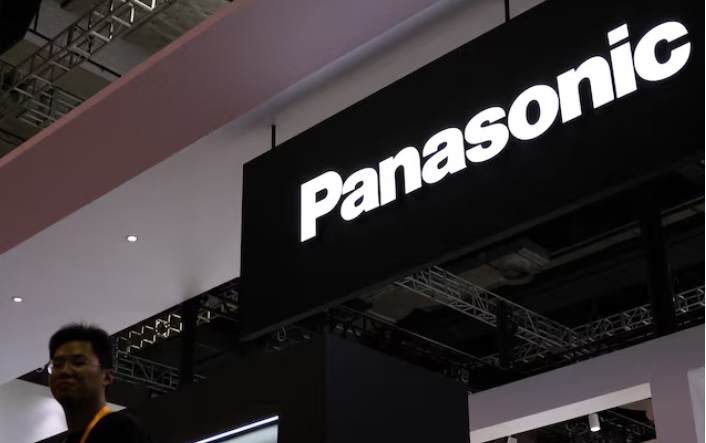
Panasonic Holdings has announced plans to begin mass production of battery cells designed specifically for data center applications in the United States by fiscal year 2028. The move reflects the growing demand for energy storage solutions as artificial intelligence, cloud computing, and digital infrastructure continue to expand rapidly across the globe.
Key Update: Panasonic plans to launch mass production of battery cells for data centers at its Kansas facility by fiscal year 2028, strengthening its position in the rapidly growing AI infrastructure and energy storage market.
Panasonic Expands Beyond EV Batteries
For years, Panasonic has been widely recognized as one of the world's leading electric vehicle battery manufacturers. However, the company is now accelerating its expansion into the data center energy storage sector as demand from AI companies continues to surge.
The latest announcement demonstrates Panasonic's strategy of diversifying beyond automotive batteries and capitalizing on the growing need for reliable power solutions supporting artificial intelligence infrastructure.
Why Data Centers Need Advanced Batteries
Modern data centers require uninterrupted power to keep servers, networking systems, and AI computing platforms operational around the clock.
Battery systems serve as critical backup power sources, ensuring operations continue during power fluctuations, outages, or transitions between primary and secondary energy systems. As AI workloads become more demanding, the importance of dependable energy storage has increased significantly.
AI Is Driving Unprecedented Energy Demand
The global AI boom has triggered an explosion in data center construction. Technology companies are investing billions of dollars into AI infrastructure, requiring massive amounts of electricity and backup power systems.
As more AI models are trained and deployed, data centers are becoming larger, more energy-intensive, and increasingly dependent on advanced battery technologies to maintain reliability and performance.
Kansas Facility to Play Key Role
Panasonic plans to manufacture the new data center battery cells at its Kansas facility in the United States.
The plant was originally established to support battery production for electric vehicles, but growing demand from the AI sector has encouraged Panasonic to expand its manufacturing capabilities into new energy storage markets.
Growing Opportunity in AI Infrastructure
Industry analysts expect AI-related infrastructure spending to remain strong throughout the decade.
Beyond processors, networking equipment, and cooling systems, reliable energy storage is emerging as one of the most critical components of AI infrastructure. Battery manufacturers are increasingly positioning themselves to benefit from this trend.
Competition Intensifies in Energy Storage
Panasonic is not alone in targeting the rapidly expanding data center battery market.
Battery manufacturers worldwide are investing heavily in new technologies and production capacity as demand from AI facilities, cloud providers, and hyperscale data centers continues to grow. The competition is expected to accelerate innovation and improve energy storage performance over the coming years.
AI Infrastructure Creates New Revenue Streams
The shift toward data center batteries could provide Panasonic with an important new source of revenue.
While electric vehicle markets have experienced periods of slowing growth and pricing pressure, AI infrastructure investments continue to expand aggressively, creating opportunities for suppliers throughout the technology ecosystem.
Battery Demand Extends Beyond Servers
Data center operators increasingly require batteries not only for emergency backup systems but also for energy management, load balancing, and renewable energy integration.
As facilities seek greater efficiency and sustainability, advanced battery systems are becoming central to long-term infrastructure planning.
The Future of AI-Powered Data Centers
Industry forecasts suggest that data center energy consumption will rise substantially over the next decade as AI adoption expands across businesses, governments, and consumer applications.
This trend is expected to drive continued investment in power generation, cooling technologies, electrical infrastructure, and energy storage systems capable of supporting next-generation computing workloads.
Strategic Positioning for Long-Term Growth
By entering the data center battery market at scale, Panasonic is positioning itself to participate in one of the fastest-growing segments of the global technology industry.
The company's expertise in battery manufacturing, combined with increasing demand for AI infrastructure, could help establish a strong competitive advantage in the years ahead.
Final Thoughts
Panasonic's decision to begin producing battery cells for U.S. data centers by fiscal year 2028 highlights the profound impact artificial intelligence is having on global infrastructure investments. As AI systems require more computing power, the demand for reliable energy storage solutions is becoming just as important as demand for processors and servers.
With its Kansas facility set to become a key production hub, Panasonic is positioning itself at the intersection of two major growth industries: advanced batteries and artificial intelligence. The move could help the company capture a larger share of the rapidly expanding AI economy while supporting the next generation of digital infrastructure.
Tech Insight: As AI infrastructure expands worldwide, battery systems are becoming a critical component of data centers, creating new growth opportunities for energy storage manufacturers like Panasonic.