U.S. Carrier Strike Group and Military Forces Move to Middle East Amid Iran Tensions
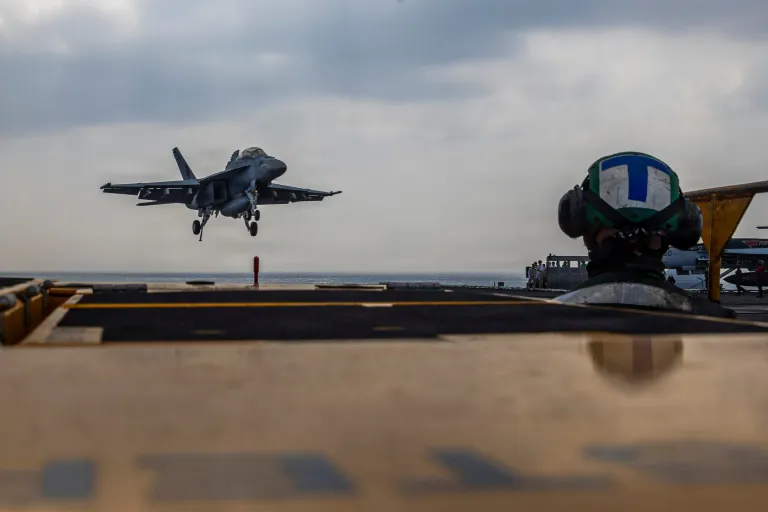
A major U.S. Navy **aircraft carrier strike group led by the USS Abraham Lincoln** has arrived in the Middle East as tensions with Iran remain elevated. This deployment comes as the U.S. considers how to respond to protests inside Iran and its broader regional posture, including whether military pressure should be maintained or heightened.
Quick Insight: Aircraft carriers like the Abraham Lincoln bring fighter jets, destroyers, and missiles, allowing the U.S. to project air and sea power far from its own shores while adding flexibility to diplomatic and security options.
Carrier Group and Airpower Arrive
The USS Abraham Lincoln — a large, nuclear-powered aircraft carrier — has entered the Middle East region along with several accompanying guided-missile destroyers. These destroyers provide air defense and strike capability with missiles that can reach land targets if directed.
Carrier air wings typically include advanced fighter jets such as **F-35 stealth fighters** and **F/A-18 Super Hornets**. These aircraft offer both offensive and defensive capabilities, including the ability to conduct precision strikes and defend other forces.
Air Force Jets and Support Movements
Alongside the carrier group, U.S. Air Force fighter aircraft like the **F-15E Strike Eagle** have been reported in the region, adding another layer of airpower. These jets are multi-role fighters capable of conducting strikes as well as providing air support.
Military analysts have also noticed what appear to be **cargo planes and transport aircraft heading toward Middle Eastern bases**. Such flights often carry personnel, supplies, or defensive equipment that support ongoing missions, preparedness, or troop rotations.
Strategic Context and Regional Tensions
This military buildup takes place amid heightened tensions over Iran’s internal unrest and protests. Leaders in the United States have made clear they are watching the situation closely and have not ruled out additional action if certain conditions are met.
Deployments like aircraft carriers and fighter jets serve multiple purposes: deterring potential escalations, reassuring allies, and keeping options open for policymakers ranging from diplomacy to military response. The presence of advanced jets and surface vessels signals both capability and readiness.
Final Thoughts
The movement of U.S. naval and air assets to the Middle East underscores how nations use military deployments as part of broader foreign policy strategies. While the situation remains fluid and options range from diplomacy to deterrence, the presence of powerful ships, aircraft, and support planes reminds the world of the stakes involved when regional tensions rise.
Watching how these forces interact with local and regional powers, and how diplomacy evolves alongside military readiness, will be key to understanding what comes next.
Tip: Military deployments often form part of broader strategic and diplomatic efforts; understanding both the hardware and the political context can give a clearer picture of international developments.