Taiwan Says Nvidia H200 AI Chip Sale to China Is Stalled
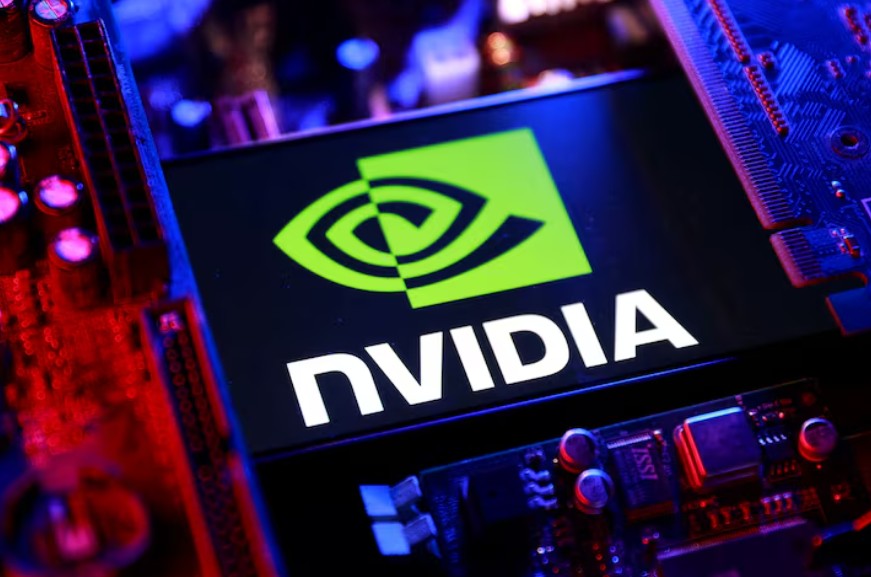
Global technology dynamics are facing a new hurdle as Taiwanese server maker Inventec reports that the sale of Nvidia’s H200 artificial intelligence chip in China appears to be stalled. Although U.S. regulators have approved its export with conditions, the decision now depends on Chinese authorities, leaving the future of these high-performance chips uncertain amid geopolitical tensions.
Quick Insight:
Nvidia’s H200 chip, one of the company’s most powerful AI processors, is caught in the complex intersection of export approvals and Chinese market access, highlighting how international politics can shape the global AI hardware landscape.
Approval from the United States
• The U.S. government recently authorized the export of Nvidia’s H200 chips to China under certain conditions set to protect national security and market priorities.
• These conditions include specific licensing terms and compliance checks before the chips are shipped abroad.
China’s Response Still Unclear
• Despite the U.S. approval, Chinese customs authorities have not cleared the chips for entry, creating a bottleneck at the border.
• It is not yet clear if this is an outright ban, a temporary measure, or a negotiating stance tied to broader tech and trade policy considerations.
• Inventec’s leadership says the fate of the shipments ultimately rests with China’s regulators, and the company must comply with whatever decision is reached.
Impact on Supply Chains and Demand
• The H200 has strong demand from Chinese technology firms seeking advanced AI capabilities.
• Inventec, which manufactures Nvidia-based AI servers in Shanghai, finds itself in a waiting pattern as customers anticipate clarity.
• Production and delivery schedules may shift depending on how quickly China finalizes its policy stance.
Geopolitical and Industry Implications
• The situation underscores how geopolitics can directly influence the flow of cutting-edge technology across borders.
• China’s approach may reflect a balance between wanting access to advanced AI hardware and supporting its own semiconductor industry.
• Industry observers say the outcome could shape future negotiations between the U.S. and China on high-performance computing exports.
Final Thoughts
The current impasse over Nvidia’s H200 chip highlights the complex interplay between technology leadership, trade policy, and national strategy. As both countries navigate these challenges, the resolution will be closely watched by the global tech community and investors alike. For companies like Inventec, clarity from Chinese regulators will determine the next steps in fulfilling orders and aligning operations with international regulations.