10. January 2026
Admin
Nigeria’s Federal Government Sets New Quality Policy Aiming for Six-Year Textbook Lifespan
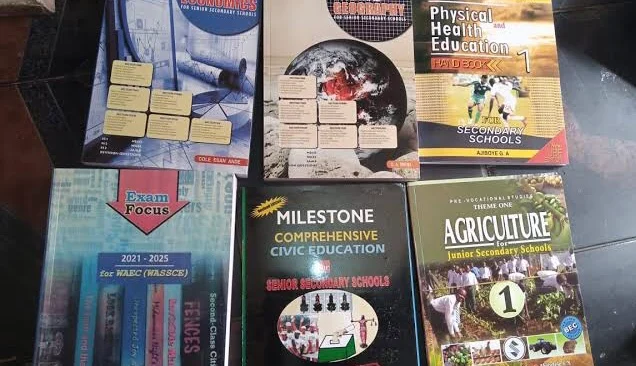
The Federal Government of Nigeria has unveiled a comprehensive education policy designed to reduce the cost of schooling for parents and improve the quality and sustainability of learning materials used in primary and secondary schools. A key element of the reform is a directive that standardised textbooks should be durable enough to last between four and six academic years before being replaced.
Quick Insight:
By ensuring textbooks remain in use for multiple years, the policy aims to lower recurring education costs, promote reuse across siblings or academic cohorts, and cut down waste from disposable learning materials.
Durable Textbooks for Long-Term Use
• The new policy prioritises the adoption of high-quality, standardised textbooks designed to remain relevant and durable for between four and six years.
• Schools will no longer bundle disposable workbooks that students write in and discard, ensuring books can be passed down or reused across academic sessions.
• This approach supports both financial savings for families and environmental sustainability by reducing waste from frequently replaced materials.
Meaningful Revision Cycles
• To support long textbook lifespans, revisions will now follow structured cycles that reflect substantive content improvements rather than cosmetic layout changes.
• This ensures that new editions offer real educational value, avoiding the frequent superficial updates that previously forced parents to repurchase books with little benefit.
• The policy also introduces limits on the number of approved textbooks per subject and grade level to streamline selection processes for schools and authorities.
Broader Education Reforms
• Alongside textbook changes, the policy introduces a uniform academic calendar to promote consistency in teaching, learning, and school planning throughout the country.
• Graduation ceremonies have been streamlined to reduce unnecessary expenses for parents, limiting formal events to major exit classes such as Primary 6, Junior Secondary 3, and Senior Secondary 3.
• Strengthened quality assurance and selection mechanisms aim to ensure that only instructional materials aligned with the national curriculum and quality standards are approved for use.
Final Thoughts
The new textbook policy reflects a broader drive to make education more affordable, equitable and sustainable for Nigerian families. By extending the useful lifespan of textbooks, limiting superficial revisions, and tightening quality assurance, the government aims to restore long-standing practices of reuse and reduce the financial burden on parents while enhancing learning outcomes nationwide.