White House Delays Trump’s Major AI Executive Order Amid Industry and Security Debate
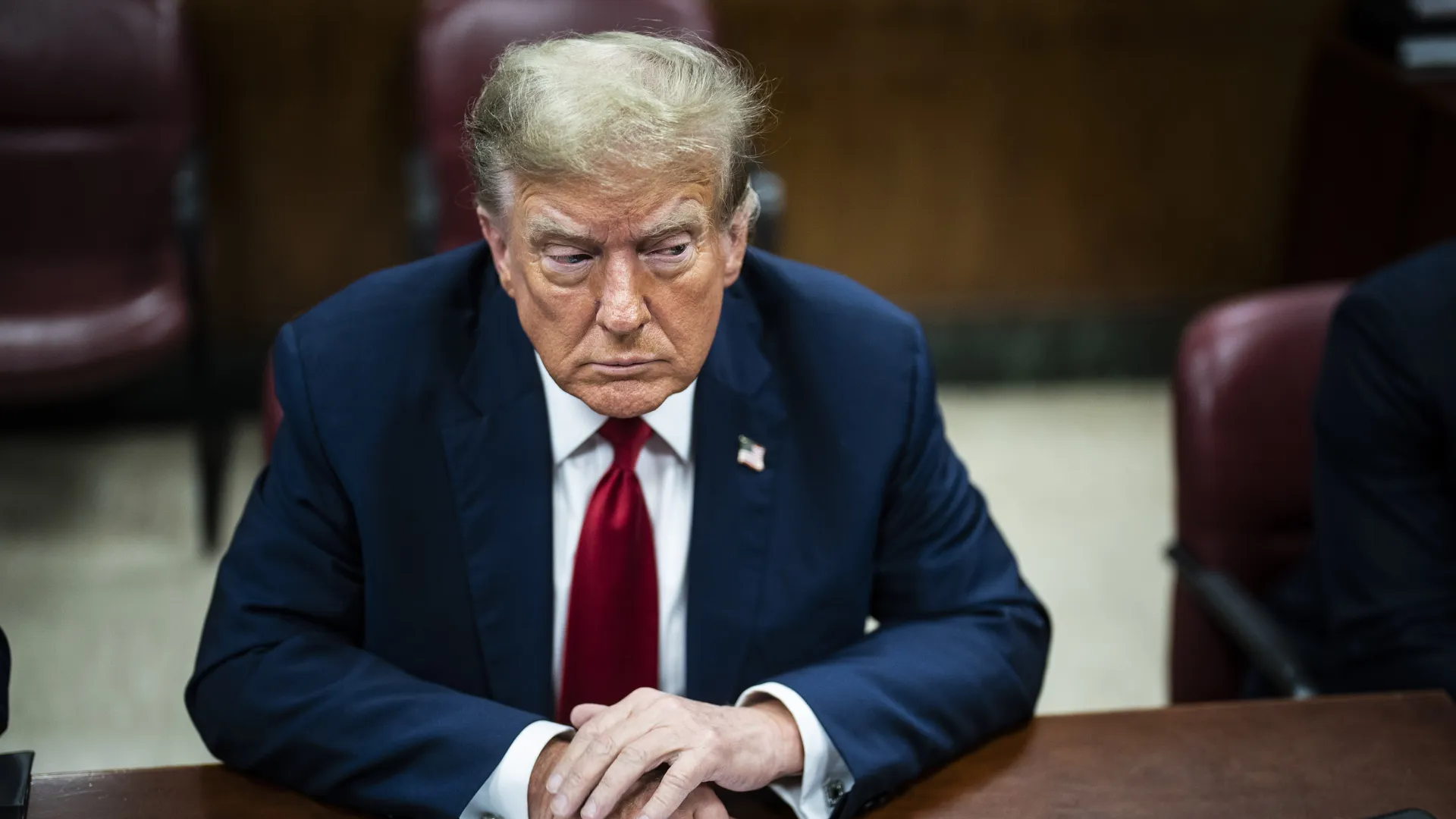
The White House has postponed President Donald Trump’s planned signing ceremony for a major artificial intelligence executive order after growing disagreements emerged inside the administration and across the tech industry.
The proposed order was expected to introduce a voluntary framework that would allow the U.S. government to coordinate more closely with AI developers before the public release of highly advanced AI systems. However, concerns quickly surfaced that the measures could unintentionally slow American innovation at a time when competition with China is intensifying.
Key Update: President Trump said he delayed the AI executive order because he “didn’t like certain aspects” of it and did not want to weaken America’s leadership position in the global AI race against China.
What the AI Executive Order Was Designed to Do
The proposed executive order aimed to create a voluntary cooperation system between AI companies and the federal government.
Under the draft framework, developers of advanced AI models would be encouraged to share information with U.S. authorities before publicly releasing highly capable systems. The administration believed this could help identify cybersecurity risks, national security threats, and vulnerabilities before deployment.
The order also reportedly included plans to strengthen cybersecurity protections across critical infrastructure sectors such as banking, energy, healthcare, telecommunications, and transportation.
Why the White House Suddenly Delayed It
Despite months of preparation, the signing ceremony was postponed only hours before it was expected to take place.
President Trump later explained that he was concerned parts of the proposal might interfere with America’s technological lead over China. According to reports, some tech industry leaders feared the framework could gradually evolve into a more restrictive regulatory system that slows innovation and delays AI product releases.
The administration now appears divided between officials who prioritize AI safety and cybersecurity and those who favor minimal government intervention in order to accelerate AI development.
The China Factor Behind the Decision
Competition with China has become one of the most important drivers of U.S. AI policy.
American officials increasingly view artificial intelligence as a strategic national security technology similar to semiconductors, military systems, and advanced communications infrastructure. Trump reportedly worried that additional oversight requirements could reduce the speed at which U.S. firms release new AI systems, giving Chinese companies an opportunity to catch up.
This concern reflects a broader geopolitical race where both Washington and Beijing are investing heavily in AI leadership, talent, data infrastructure, and semiconductor capabilities.
Growing Influence of Tech Executives
Several reports indicated that influential technology figures were involved in discussions surrounding the executive order.
Media reports suggested that individuals connected to major AI and technology companies expressed concerns about the framework’s long-term impact on innovation. Elon Musk publicly denied directly influencing the delay, though reports indicated that major industry voices had raised objections internally.
The situation highlights how deeply intertwined government policy and private AI development have become in the United States.
The Debate Over AI Safety vs Innovation
The delay reflects one of the biggest global debates in artificial intelligence today: how to balance innovation with safety.
Supporters of stronger oversight argue that advanced AI systems could create cybersecurity risks, misinformation threats, economic disruption, and national security vulnerabilities if released without safeguards.
Opponents argue that excessive regulation could damage competitiveness, reduce investment, and slow technological progress at a critical moment in global AI development.
Cybersecurity Concerns Behind the Proposal
Cybersecurity played a major role in the proposed executive order.
Officials have become increasingly concerned that highly advanced AI systems could potentially assist in cyberattacks, automated hacking, disinformation campaigns, and attacks against critical infrastructure.
Recent debates surrounding powerful AI models like Anthropic’s “Mythos” intensified those concerns and added pressure on governments to create some form of AI oversight framework.
Political Divisions Inside the AI Debate
The disagreement over the executive order also reflects political divisions within conservative and technology circles.
Some policymakers favor stronger safeguards and federal monitoring for advanced AI systems, while others support a lighter-touch approach focused on maximizing economic growth and technological dominance.
This internal split has complicated efforts to establish a clear national AI strategy in the United States.
What Happens Next?
The White House has not announced a new timeline for signing the executive order.
Officials may revise sections of the proposal to address industry concerns while still maintaining some cybersecurity and national security protections. Analysts expect future versions of the order to focus more heavily on voluntary cooperation rather than direct regulatory enforcement.
Regardless of the delay, the controversy demonstrates that AI policy is becoming one of the defining political and economic issues of the modern technology era.
Final Thoughts
The postponed signing ceremony shows how difficult AI governance has become for governments worldwide.
While leaders want stronger safeguards against emerging risks, they also fear slowing innovation in a rapidly expanding global AI race. The United States now faces the challenge of maintaining technological leadership while deciding how much oversight advanced AI systems should receive before reaching the public.
Tech Insight: AI policy is increasingly shaped by a three-way struggle between innovation speed, cybersecurity concerns, and geopolitical competition with China.


















.jpeg)