Micron and Nvidia: How Two Chip Powerhouses Are Shaping the Future of AI Technology
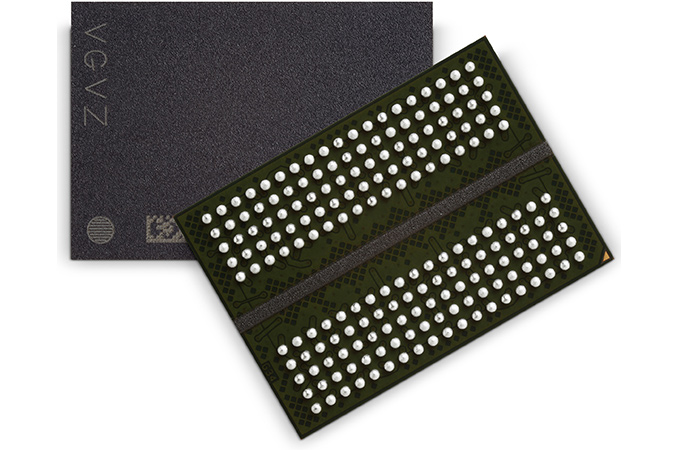
Micron Technology and Nvidia are two major players in the world of artificial intelligence hardware, each playing an important role in how AI systems are built and powered. While Nvidia is best known for its powerful graphics processors used in AI computing, Micron focuses on the memory technology that helps these processors work efficiently.
Quick Insight: AI chips need both strong processing power and fast memory. Nvidia’s processors and Micron’s advanced memory products work together to support complex AI tasks in data centers and cloud computing.
Micron’s Role in AI Memory Technology
Micron specializes in **high‑bandwidth memory (HBM)** and other memory solutions that are essential for AI systems. These memory products help data centers handle large amounts of information quickly, which boosts the performance of AI training and inference workloads. Strong demand for AI memory has helped Micron grow its business, especially as AI technology expands into more industries.
Nvidia’s Leadership in AI Processing
Nvidia is widely regarded as the leader in AI processors — the chips that actually perform the complex calculations needed for machine learning, large language models, and advanced analytics. Its GPUs are used in research labs, cloud platforms, and enterprise data centers around the world.
Collaboration Between Memory and Processing
For AI hardware to work well, strong processors and strong memory must go hand in hand. Micron’s memory technology complements Nvidia’s processors by providing the speed and capacity needed to feed data into those chips. This teamwork between memory and processing components is a foundational part of modern AI infrastructure.
Industry Trends and Market Dynamics
The AI boom has driven huge demand for both processing and memory components. Companies like Micron and Nvidia have seen rapid growth as more businesses adopt AI technologies. At the same time, memory shortages and supply constraints in the industry have highlighted how crucial it is to balance demand with production capacity.
Final Thoughts
The AI revolution depends on a combination of powerful chips and fast memory. Nvidia’s GPUs and Micron’s memory solutions form part of the backbone of this technological shift. As AI workloads continue to expand across data centers, cloud computing, and edge devices, both companies are positioned to remain central to the future of computing.
Tip: To understand how AI technology works, it helps to learn the difference between processors (which compute data) and memory (which stores and moves data), since both are essential for performance.












.jpeg)