SpaceX Set to Launch GPS III‑9 Satellite After Rocket Switch
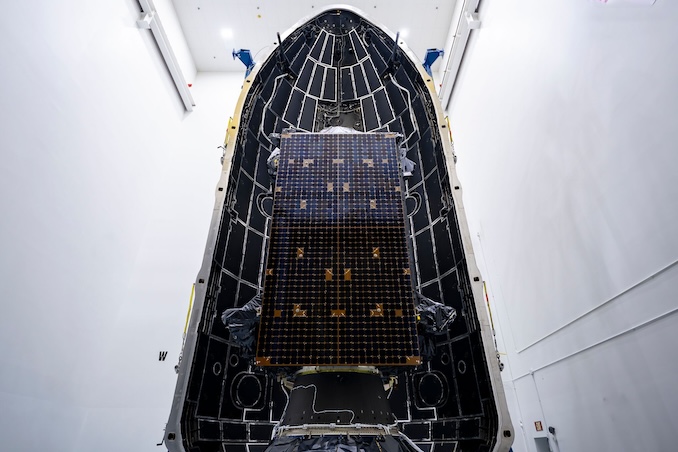
SpaceX is preparing to launch the **GPS III‑9 mission**, carrying a new Global Positioning System (GPS) navigation satellite into orbit for the U.S. Space Force. This mission will lift off from **Cape Canaveral Space Force Station, Florida**, using a **Falcon 9 rocket** after the launch was reassigned from United Launch Alliance’s Vulcan rocket to accelerate delivery of this critical satellite.
Quick Insight: GPS satellites are essential for everyday technology like navigation, timing signals, and positioning systems used by billions of people and by military forces — so getting them into orbit swiftly and reliably is a high priority.
About the GPS III‑9 Mission
The GPS III‑9 satellite — part of the next generation of GPS spacecraft — will provide improved accuracy, robustness, and resistance to interference compared with earlier satellites. The Space Force works closely with launch providers to ensure these satellites are placed into their designated medium‑Earth orbit, where they bolster the global navigation constellation.
Originally scheduled to fly on a ULA Vulcan rocket under a government launch contract, this particular GPS spacecraft was reassigned to a Falcon 9 to maintain the launch schedule and ensure continuity of service.
Why the Rocket Change Matters
The U.S. Space Force’s launch program sometimes shifts satellites between launch vehicles to keep missions on schedule. By using SpaceX’s Falcon 9 — a highly reliable and frequently flown rocket — the GPS III‑9 mission can proceed without waiting for delays on other launch systems.
The switch also highlights how space operators and the Space Force manage complex national security space missions, ensuring vital technology like GPS remains up and running without interruption.
The Falcon 9 Launch and Booster Reuse
SpaceX’s Falcon 9 first stage booster assigned to this mission has flown several times before, carrying other payloads into space. After placing the GPS III‑9 satellite on its way to orbit, that booster is expected to return and land on a drone ship in the Atlantic Ocean — continuing a long tradition of **rocket reuse** that improves cost efficiency and sustainability in spaceflight.
Reusable rockets like the Falcon 9 have transformed how satellites are deployed, helping make space access more routine and frequent.
Final Thoughts
The GPS III‑9 launch represents another step forward in maintaining and upgrading the global GPS network, which underpins navigation and timing services worldwide. By swapping to a Falcon 9 mission and using proven rocket reuse techniques, this launch exemplifies how modern space operations balance flexibility, reliability, and efficiency to keep critical infrastructure in orbit.
Tip: GPS satellites do more than guide directions — they also provide precise timing for networks, financial systems, and many technologies we use every day.