China Won’t Save Iran’s Regime — But Chinese Surveillance Technology Might
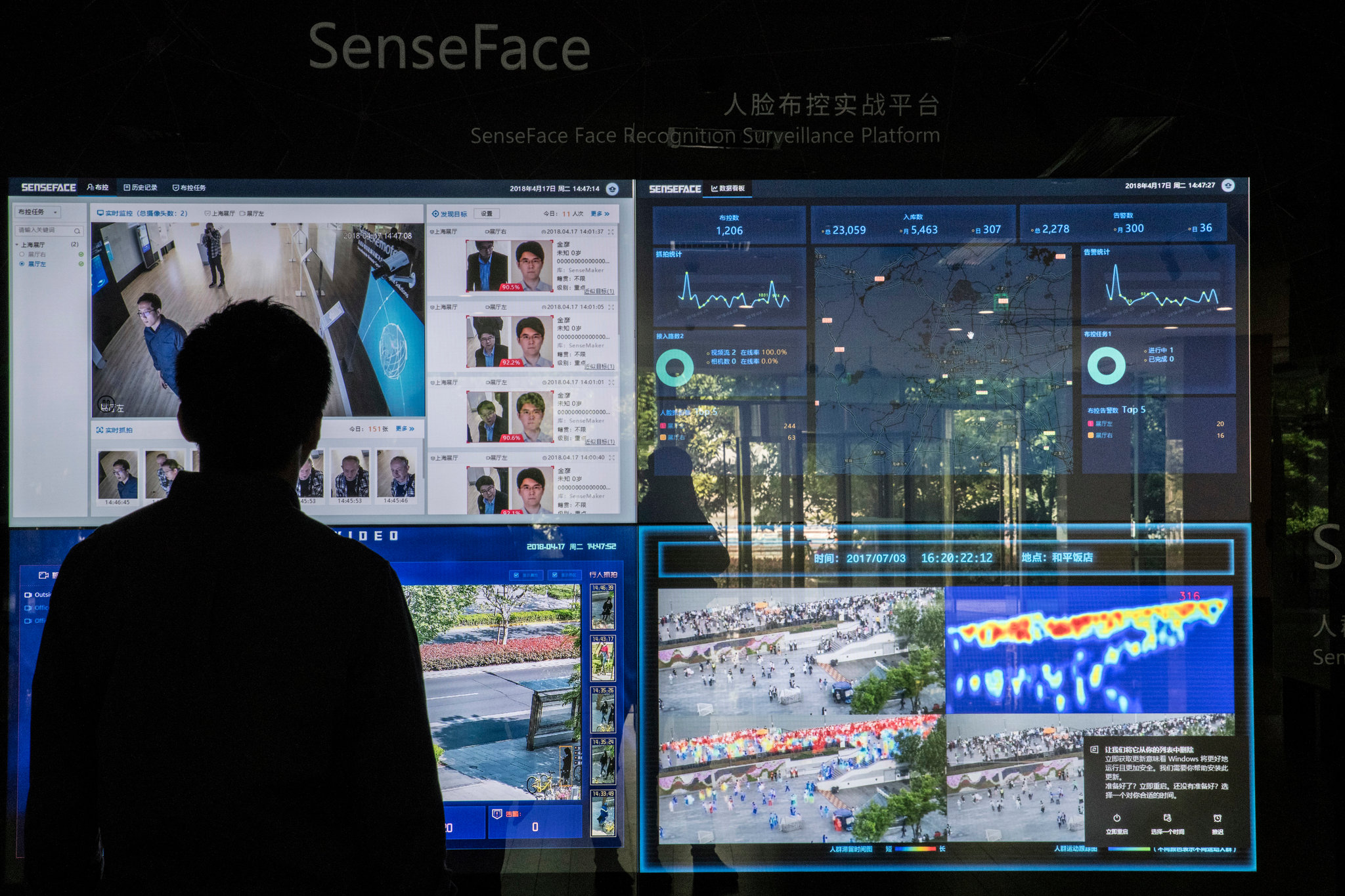
Amid ongoing unrest and political uncertainty in Iran, China has taken a cautious diplomatic stance, avoiding direct military or political intervention. However, Beijing’s export of advanced surveillance technology and digital monitoring systems to Tehran has helped equip Iran’s security apparatus with tools that can be used to monitor citizens, suppress dissent, and maintain internal order.
Quick Insight:
While China’s political support for Iran has been measured, its technology exports — particularly surveillance and digital monitoring systems — have strengthened Tehran’s capacity to watch, track, and control internal activity.
China’s Neutral Diplomatic Position
• Beijing has not committed to rescuing Iran’s political leadership in times of crisis and has avoided offering direct military support in recent conflicts.
• Chinese officials often stress diplomatic cooperation, strategic partnership, and non-interference in internal affairs — even as instability continues in Iran.
• High-level meetings and partnerships underscore ongoing bilateral ties, but these do not extend to explicit guarantees of regime survival.
Surveillance Technology and Internal Control
• Chinese companies supply Iran with surveillance cameras, facial recognition systems, and digital monitoring tools that can be used by state security forces to detect and track dissent.
• These technologies are part of broader assistance that strengthens Iran’s internal intelligence infrastructure, even as China maintains formal neutrality on political developments.
• By equipping Iran’s security services with advanced technology, Beijing indirectly bolsters internal control mechanisms without direct political intervention.
Balancing Strategic and Economic Interests
• China’s relationship with Iran is driven by practical considerations such as energy trade, economic cooperation, and regional positioning rather than ideological alignment.
• Iran supplies significant quantities of oil to China, which helps meet Beijing’s energy needs while sustaining economic ties.
• At the same time, China pursues technology and infrastructure collaboration that benefits both governments but stops short of overtly rescuing Iran’s political establishment.
Final Thoughts
China’s approach to Iran in 2026 highlights a strategic blend of economic cooperation, diplomatic engagement, and technology exports that enhance Tehran’s domestic control. Although Beijing is unlikely to intervene militarily or politically to preserve the regime, its surveillance technology plays a significant role in shaping how Iranian authorities monitor and manage internal developments. This dynamic illustrates how modern technology can influence regime stability even when traditional political support remains limited.




.jpeg)

.jpeg)