How Social Media Is Changing Teen Brain Chemistry
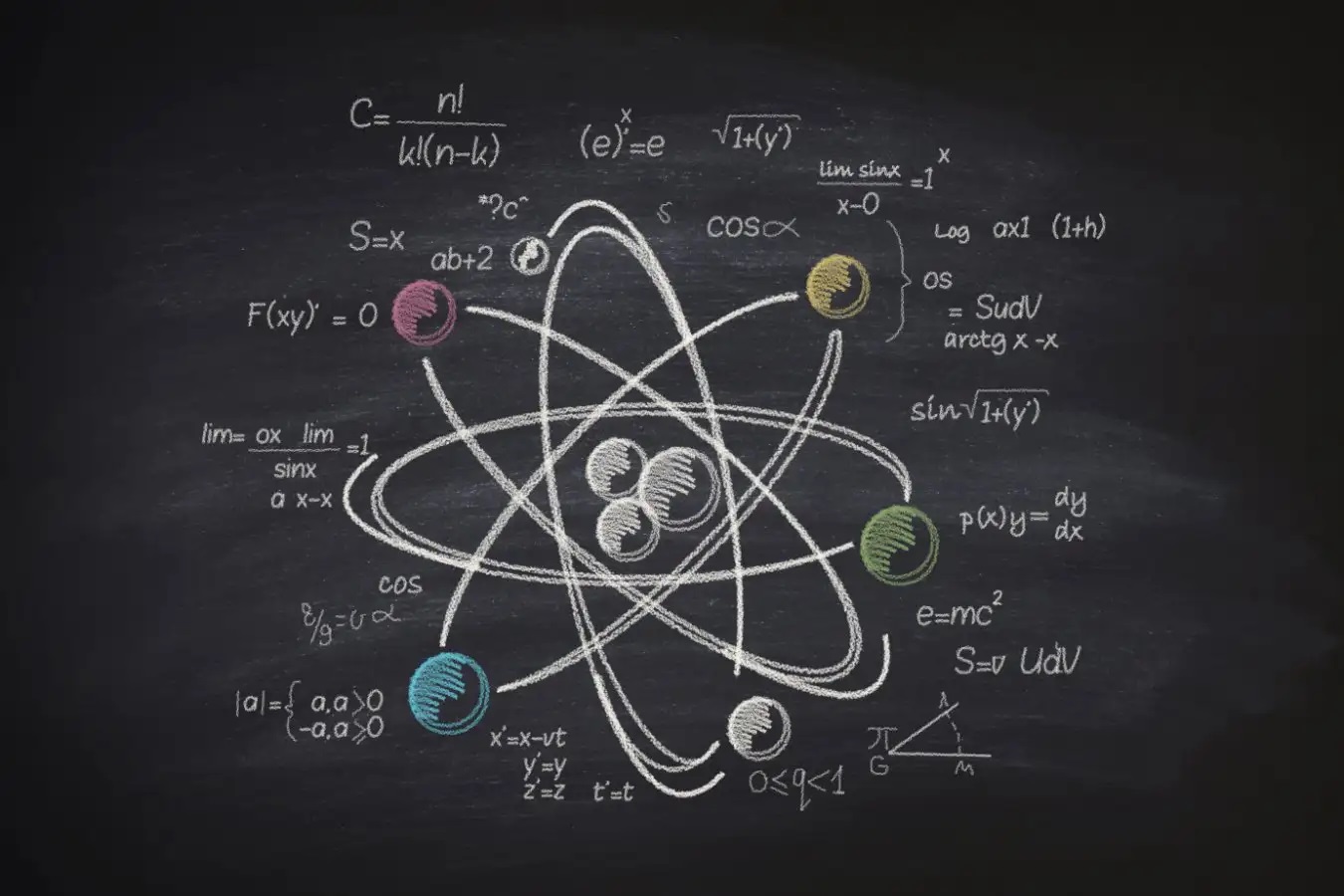
Social media is no longer just a pastime—it is rewiring teenage brains. Likes, shares, and notifications trigger dopamine surges, creating a feedback loop that can alter attention, motivation, and emotional regulation in young minds.
1. The Dopamine Trap
Each notification acts like a tiny reward, releasing dopamine. Over time, teens may crave constant validation, reducing their tolerance for boredom and making offline experiences feel dull.
The bitter truth: brains are being trained to seek instant gratification, often at the cost of long-term focus and resilience.
2. Altered Attention Span
- Rapid scrolling encourages fragmented attention
- Multi-tasking becomes habitual
- Deep concentration on schoolwork or reading decreases
- Constant alerts interrupt natural focus cycles
The bitter truth: sustained focus is weakening, and patience is becoming a rare skill among teens.
3. Emotional Volatility
Social comparison, cyberbullying, and the pressure to perform online can heighten stress and anxiety. Teens may become more sensitive to rejection or perceived social failure.
The bitter truth: digital interactions can amplify emotional instability in ways that parents and educators may not fully understand.
4. Reward Overload
Brain circuits involved in reward and pleasure may over-activate, making natural, slower rewards—like reading, exercising, or learning a new skill—feel less satisfying.
The bitter truth: pleasure becomes engineered, and real-world achievements may feel underwhelming by comparison.
5. Long-Term Implications
Early exposure to intense digital stimulation could influence decision-making, impulse control, and mental health well into adulthood.
The Bitter Reality
Social media is not just a tool; it is a chemical influencer. Teen brains are being shaped in ways that may have lasting consequences for attention, emotion, and behavior.
Final Bitter Truth
The more teens live online, the more their natural brain chemistry adapts to digital rewards. Humanity may soon face a generation whose minds are fundamentally conditioned by algorithms, not reality.