“Digital Twins” of Humans in Labs
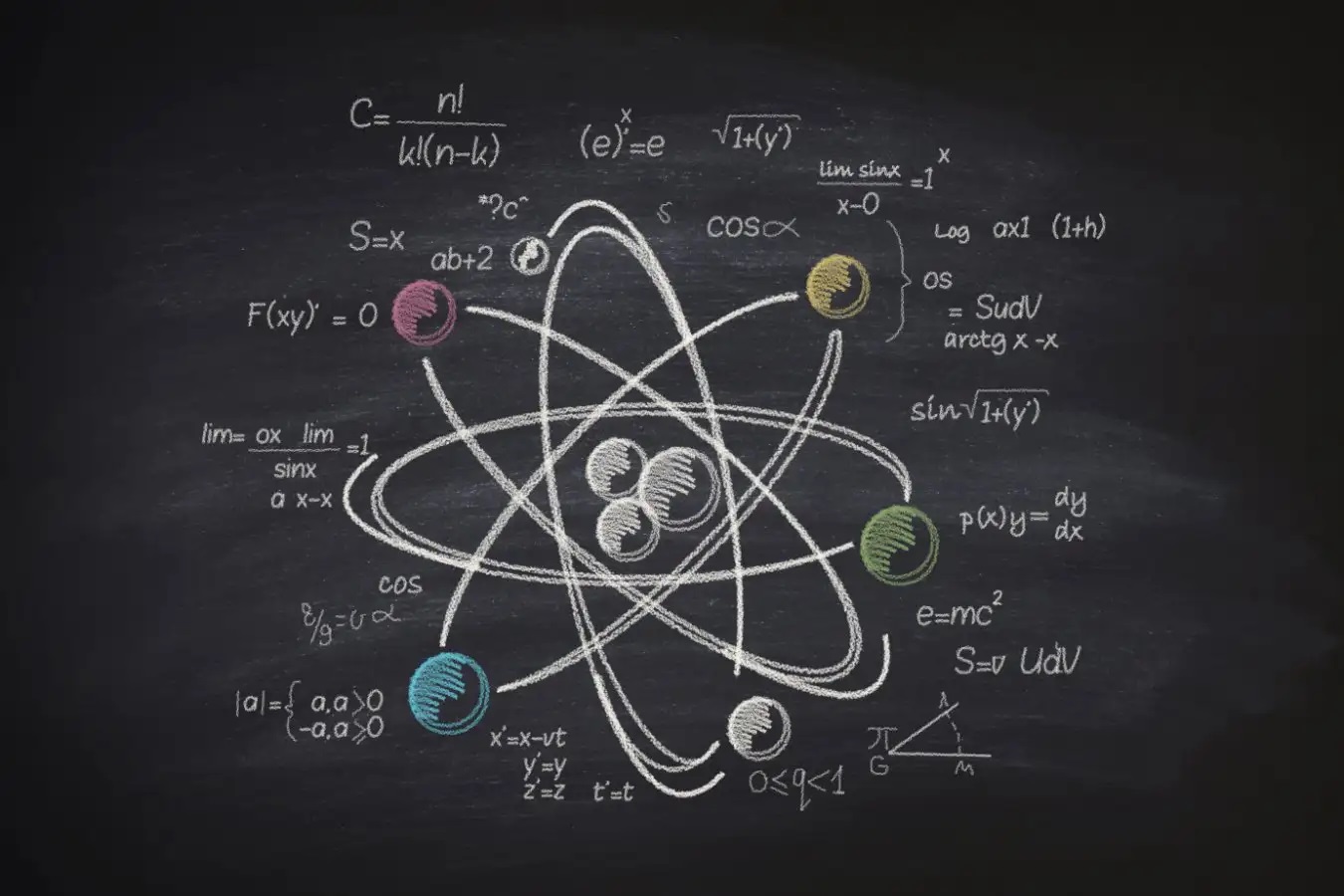
Scientists are now creating “digital twins” of humans—highly detailed computational models that simulate a person’s physiology, organs, or even cellular networks. These virtual replicas allow experiments without direct intervention on actual bodies.
1. What a Digital Twin Is
A digital twin is a virtual model of a real-world entity. In medicine, it can represent a human organ, a full-body system, or cellular processes, enabling researchers to test treatments, predict disease progression, or simulate interventions.
The bitter truth: our bodies can now exist virtually, separate from the physical selves we inhabit.
2. How They Are Made
- Collecting medical imaging data (MRI, CT scans)
- Integrating genetic, cellular, and metabolic data
- Using AI and computational modeling to simulate biological processes
- Continuously updating models with new patient data
The bitter truth: the more data we generate, the more precise these virtual copies become.
3. Potential Benefits
- Personalized medicine tailored to a patient’s unique biology
- Safer drug testing without human trials
- Predictive healthcare interventions
- Faster disease modeling and research
The bitter truth: technology could make healthcare smarter, but it also blurs the line between human and machine.
4. Ethical and Privacy Concerns
- Who owns a person’s digital twin?
- Risk of misuse for surveillance or discrimination
- Security of sensitive biological data
- Decisions made on virtual models may have real-world consequences
The bitter truth: a digital replica may live under rules, permissions, or experiments that the real person cannot control.
5. The Future of Human Digital Twins
As computing power grows, digital twins could simulate entire populations, enabling predictive epidemiology and advanced health planning—but also raising questions about consent, autonomy, and identity.
The Bitter Reality
Digital twins expose a new frontier where biology and computation intersect, creating virtual humans that mirror—and sometimes outpace—the real ones.
Final Bitter Truth
The bitter truth is that our digital selves may soon be manipulated, studied, or even experimented on independently of our physical bodies. The age of human replication has quietly begun.