What Happens Next in Venezuela as the Regime’s Foundations Remain Intact
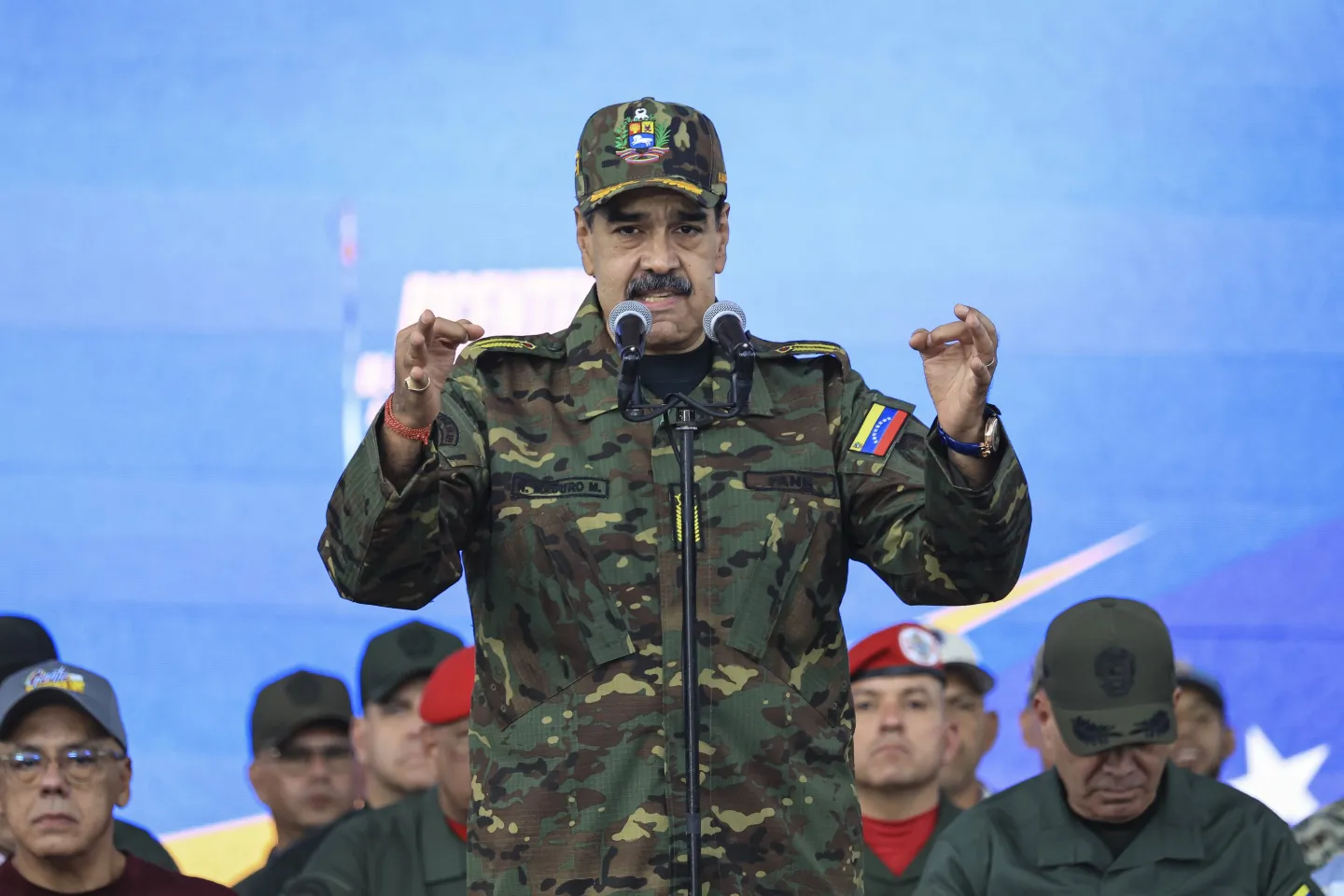
The reported capture of President Nicolás Maduro by U.S. forces has sent shockwaves across Latin America and beyond. Yet analysts caution that despite the dramatic removal of a central figure, Venezuela’s political system and power structures remain largely intact, raising complex questions about what comes next for the country.
Quick Insight:
Removing a leader does not automatically dismantle a regime. Venezuela’s power network extends across military leadership, state institutions, economic controls, and loyalist groups that have been entrenched for years.
The Regime Beyond One Leader
Venezuela’s governing system has long been built around a collective structure rather than a single individual. Senior military commanders, security agencies, party officials, and state-run enterprises continue to operate, maintaining administrative control and internal coordination. Analysts argue that this institutional depth limits the immediate impact of Maduro’s removal.
Military Loyalty Remains a Key Factor
The armed forces remain the backbone of political stability in Venezuela. While leadership dynamics may shift, there is no clear indication of a widespread military defection. As long as senior officers retain control over troops, weapons, and logistics, the regime’s authority can persist despite leadership changes.
Governance and Day-to-Day Control
Core state functions such as border control, energy production, food distribution, and public administration continue to operate. These systems allow the government apparatus to function even during periods of political upheaval, preventing an immediate collapse of governance.
Opposition Challenges
Venezuela’s opposition faces significant hurdles in converting leadership change into political transition. Fragmentation, limited institutional access, and security constraints make it difficult to rapidly assume control or form a unified alternative government structure.
International Pressure and Uncertainty
External actors may increase diplomatic and economic pressure in the aftermath of Maduro’s capture. However, analysts warn that sanctions, recognition debates, and foreign intervention risks could further complicate internal dynamics rather than produce swift resolution.
Final Thoughts
While the capture of Nicolás Maduro marks a historic and dramatic moment, it does not automatically signal the end of Venezuela’s regime. Deep-rooted institutions, military loyalty, and administrative continuity suggest a prolonged period of uncertainty rather than immediate transformation. The country now stands at a critical crossroads where stability, reform, or deeper conflict remain competing possibilities.








.jpeg)