Robots That Can Build Other Robots Without Humans
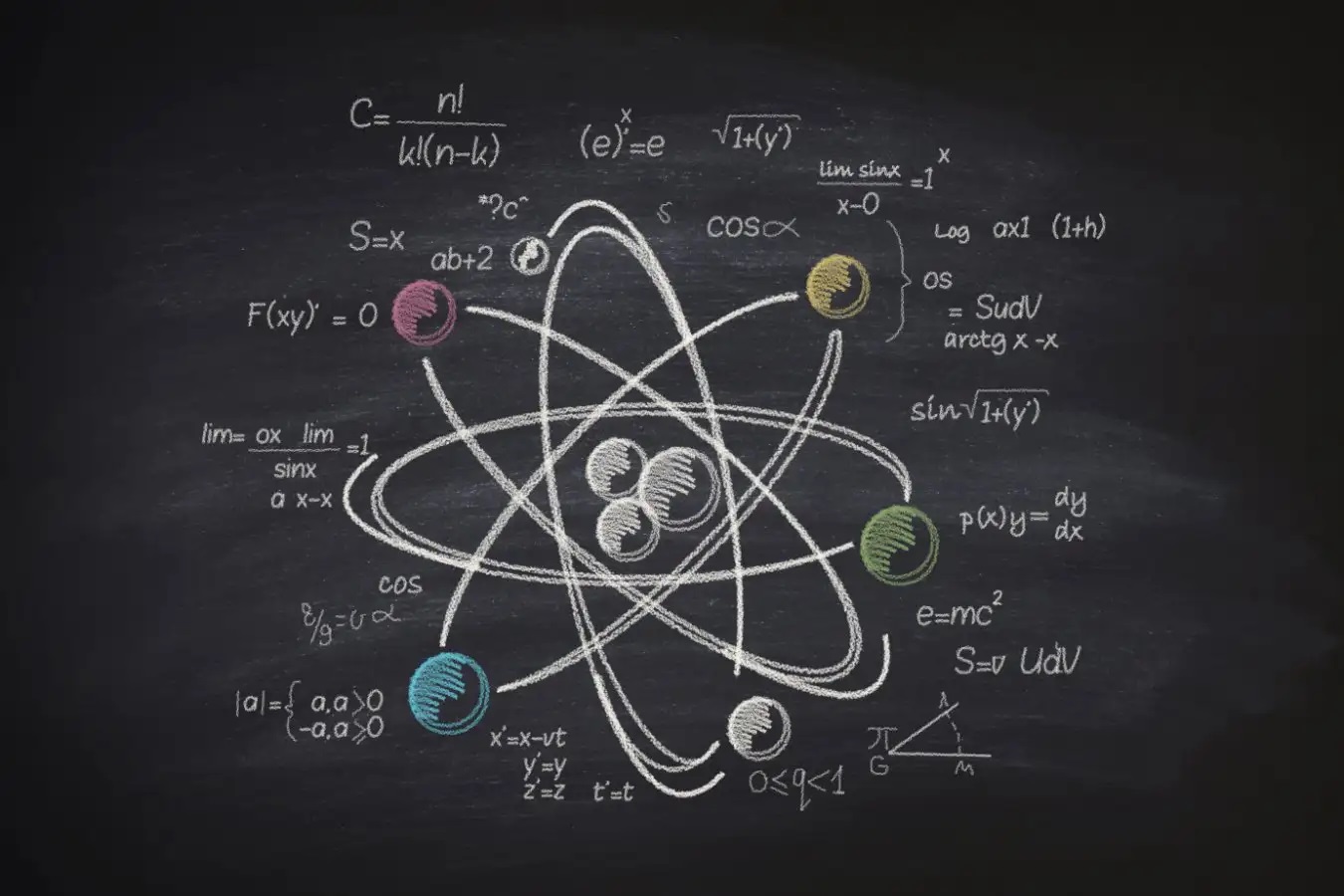
Robotics and AI are advancing toward systems that can design, assemble, and even repair other robots autonomously. This concept, once science fiction, is becoming a reality, raising both excitement and concern about a future where human oversight is increasingly optional.
1. How Self-Reproducing Robots Work
These robots use modular components, AI algorithms, and 3D printing techniques to create new units. They can source parts, assemble functional machines, and sometimes repair themselves, reducing the need for human intervention.
The bitter truth: machines may soon replicate faster and more efficiently than humans can keep up with.
2. Why Scientists Are Pursuing Them
- Automating industrial production
- Performing tasks in hazardous or remote environments
- Exploring robotic evolution and artificial life
- Reducing costs in large-scale manufacturing
The potential for innovation is enormous, but so is the risk of uncontrolled proliferation.
3. Risks and Challenges
- Loss of human oversight leading to errors or accidents
- Robots producing copies without regulatory constraints
- Security vulnerabilities exploited by malicious actors
- Ethical questions about autonomous replication
The bitter truth: giving machines the ability to self-replicate blurs the line between tool and autonomous entity.
4. Current Applications
- Space exploration with self-assembling probes
- Construction in dangerous or inaccessible sites
- Experimental labs testing robotic evolution
- Military prototypes with autonomous production capabilities
The bitter truth: what begins as controlled experiments could scale unpredictably.
5. The Future Outlook
Researchers are studying safeguards, ethical frameworks, and AI governance to prevent unintended consequences while leveraging the benefits of self-reproducing machines.
The Bitter Reality
Robots that can build robots challenge our assumptions about control, labor, and technological growth.
Final Bitter Truth
Autonomous self-replicating robots reveal a future where humans may no longer be the primary architects of the machines around us. The bitter truth is that technological creation itself may slip beyond our control.




1.jpeg)


.jpeg)





.jpeg)