How Deforestation Alters Rainfall Globally
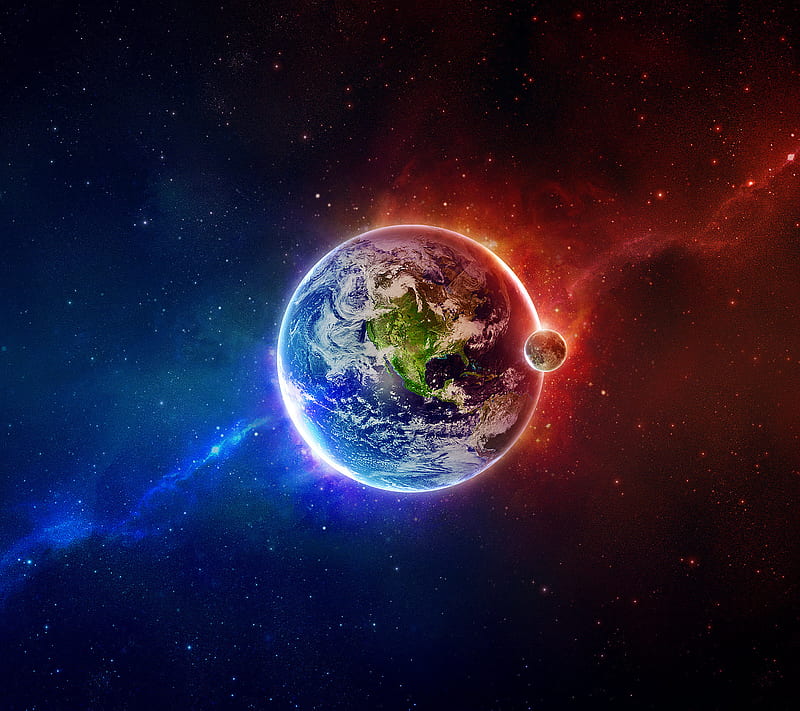
Forests are more than just a collection of trees; they are the planet’s climate regulators. When vast areas of forest are cleared for agriculture, logging, or urban expansion, the effects ripple far beyond the local environment. Deforestation is not just destroying habitats — it is changing rainfall patterns worldwide.
1. Forests and the Water Cycle
Trees release water vapor into the atmosphere through a process called transpiration. This moisture contributes to cloud formation and precipitation. Dense forests, like the Amazon, act as “rainmakers,” generating rainfall that supports ecosystems, agriculture, and human populations even hundreds of kilometers away.
When trees are removed, this natural water recycling system collapses. Less transpiration means reduced cloud formation and diminished rainfall, creating hotter and drier conditions.
2. Global Impacts on Rainfall
Deforestation in one region can affect distant areas through atmospheric circulation. For example:
- Amazon deforestation reduces rainfall in South America, impacting crops in Brazil, Argentina, and even parts of North America.
- Southeast Asian forest loss disrupts monsoon patterns, triggering floods in some areas and droughts in others.
- African deforestation contributes to desertification and decreased rainfall in the Sahel region.
These disruptions threaten food security, water supply, and livelihoods for millions of people worldwide.
3. Extreme Weather Amplification
Less forest cover not only reduces rainfall but also intensifies climate extremes. Dry periods become longer and hotter, while sudden storms lead to flooding and soil erosion. Forest loss reduces the land’s ability to absorb rainwater, worsening droughts and floods.
Urban and rural communities alike are experiencing more erratic weather patterns, often directly linked to upstream deforestation.
4. Feedback Loops and Climate Tipping Points
Deforestation accelerates climate change. Fewer trees mean less carbon dioxide absorption, increasing greenhouse gases in the atmosphere. Warmer temperatures exacerbate evaporation and destabilize rainfall patterns further. These feedback loops can push regions toward tipping points, where rainfall becomes extremely unreliable and ecosystems collapse.
If tipping points are reached, once-fertile regions may turn into arid wastelands, threatening agriculture, biodiversity, and human settlements.
5. Human and Ecological Consequences
- Crop failures from unpredictable rainfall threaten food security.
- Water scarcity increases, affecting drinking water, irrigation, and energy production.
- Forest-dependent species face extinction as habitats shrink and rainfall decreases.
- Human migration may increase as communities are forced to relocate from areas no longer able to sustain life.
The silent link between forest loss and rainfall highlights how local actions have global consequences.
6. The Bitter Reality
Humanity is altering one of the planet’s most essential climate regulators. While deforestation is often justified for economic growth, the hidden cost is enormous — unpredictable rainfall, extreme weather, desertification, and loss of ecosystems. This destruction silently undermines food production, water security, and human health.
The world’s forests are disappearing at an alarming rate, and with them, the natural mechanisms that sustain life on Earth.
Final Bitter Truth
The link between deforestation and rainfall is invisible yet devastating. By cutting down forests, humans are rewriting global weather patterns, creating chaos in climates thousands of miles away, and threatening the very systems that make life possible. Rainfall will no longer be reliable, and humanity will face the consequences of a world we have destabilized.











.jpeg)
1.jpeg)