Why Greenland Is Melting Faster Than Predicted
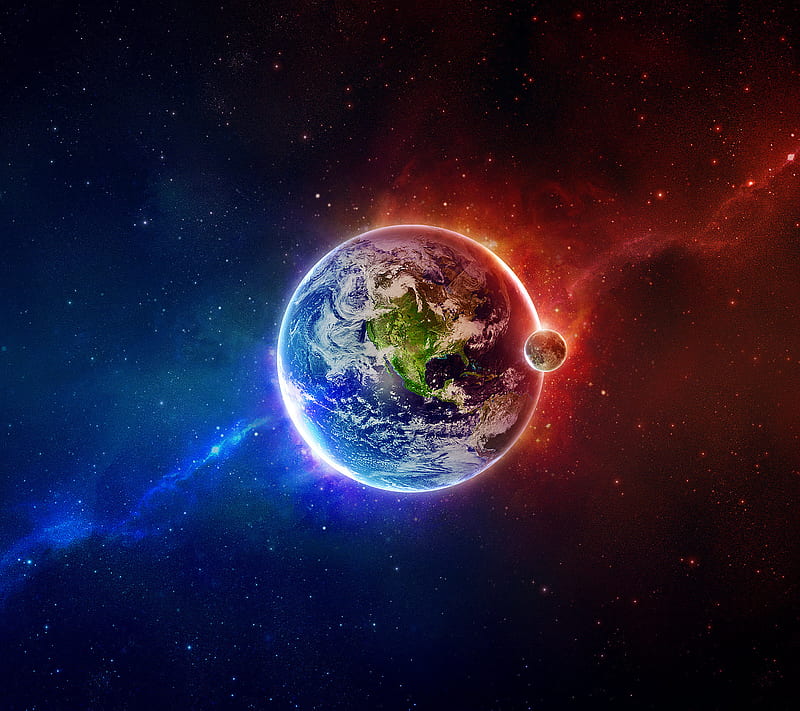
The Greenland Ice Sheet, one of the planet’s largest reservoirs of freshwater, is melting at an alarming rate — far faster than scientists predicted just a decade ago. This is not a distant threat; it is happening now, silently reshaping coastlines and global climate.
1. How Fast Is Greenland Melting?
Satellite data shows that Greenland is losing over 270 billion tons of ice per year. Some of the fastest melting occurs along coastal glaciers, where warm ocean waters undermine ice from below, causing it to fracture and collapse into the sea.
Scientists initially underestimated the speed because earlier models failed to fully account for complex ice dynamics, ocean-ice interactions, and feedback loops that accelerate melting.
2. The Causes of Rapid Ice Loss
Greenland’s melting is driven by multiple interacting factors:
- Rising global temperatures due to greenhouse gas emissions
- Warmer Atlantic and Arctic ocean currents eroding glaciers from beneath
- Surface melting amplified by darkening ice from soot, dust, and algae growth
- Structural collapse of ice cliffs, accelerating ice flow into the ocean
These factors combine to create a tipping-point scenario, where ice loss accelerates non-linearly, making future projections even more uncertain.
3. Sea Level Rise and Global Impact
Greenland contains enough ice to raise global sea levels by over 7 meters if it melts completely. Even partial melting contributes to coastal flooding, storm surges, and erosion worldwide.
Cities like Miami, New York, Dhaka, and Lagos are on the frontlines. Millions of people may be displaced by rising seas within decades, making climate migration a growing humanitarian crisis.
4. Feedback Loops Amplify Melting
Melting ice exposes darker land or ocean surfaces, which absorb more sunlight instead of reflecting it. This creates a feedback loop: more ice melts → more heat absorbed → even faster melting.
Additionally, as ice melts, it adds freshwater to the oceans, diluting salinity and potentially slowing currents that regulate global climate. This can trigger extreme weather patterns, heatwaves, and ecosystem collapse.
5. Greenland’s Melting Is a Global Alarm
Greenland is not isolated. Its ice sheet acts as a regulator of sea levels and climate. Rapid melting accelerates climate crises worldwide — from intensified hurricanes in the Atlantic to droughts in Africa and Asia.
The rate of ice loss is so high that even immediate global emission reductions will not prevent decades of consequences. The planet is already committed to a series of cascading effects.
6. Human Responsibility
The accelerating melt is a stark reminder of humanity’s role in destabilizing the climate. Industrialization, fossil fuel emissions, deforestation, and overconsumption are all pushing Greenland’s ice sheet toward irreversible thresholds.
Every ton of carbon we emit contributes to this ice loss, which, in turn, contributes to floods, storms, and global displacement.
7. The Bitter Reality
Greenland is melting faster than predicted because humans have pushed the planet beyond safe environmental limits. The ice sheet is a ticking time bomb: its melt is slow enough to seem distant, but fast enough to reshape human civilization within a single generation.
This is a crisis that cannot be ignored, postponed, or mitigated without massive, immediate action.
Final Bitter Truth
Greenland’s ice is disappearing before our eyes, raising seas, altering weather, and threatening millions of lives. The planet is sending a clear warning: climate change is not a future threat — it is an accelerating disaster, and humanity is running out of time to stop it.







1.jpeg)