Animals Fleeing the Equator — What It Signals
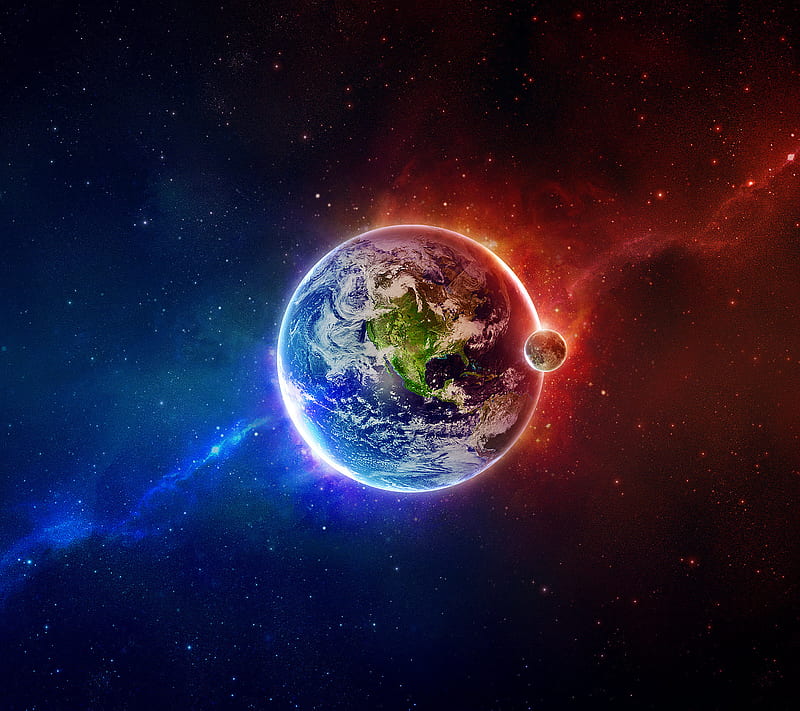
Across the planet, a quiet migration is underway. It is not driven by human borders or wars, but by temperature itself. From dense rainforests to coral reefs and open savannas, animals are
abandoning the equator and drifting toward the poles. This global movement is one of the clearest biological alarms that Earth is heating beyond its natural balance.
Scientists now confirm that thousands of species — mammals, birds, insects, fish, amphibians, and even microscopic organisms — are shifting their ranges northward or southward in search of cooler conditions. This is not seasonal movement. It is a permanent escape from rising heat.
1. Why the Equator Is Becoming Unlivable
The equator has always been the warmest region of the planet. But human-driven climate change has pushed temperatures beyond what many species can tolerate. Heatwaves now strike more frequently, last longer, and reach deadly extremes.
Many animals evolved within narrow temperature limits. When the heat pushes beyond those limits, their bodies fail. Enzymes stop working properly. Oxygen demand rises. Reproduction drops. Disease spreads faster. The result is simple: stay and die — or move and survive.
2. The Great Biological Exodus Has Already Begun
Fish populations are migrating toward cooler waters at the poles. Insects are climbing mountains to escape overheating. Birds are changing their breeding territories. Mammals are abandoning lowlands for higher elevations.
This is happening on every continent. Coral reef species are vanishing from equatorial seas. Tropical frogs are disappearing from rainforests. Even plankton — the foundation of ocean food chains — is shifting away from overheated waters.
3. Heat Is Not the Only Enemy
Animals are not just fleeing temperature. They are escaping collapsing ecosystems. Droughts dry up rivers. Fires wipe out habitats. Ocean acidification destroys coral nurseries. Deforestation removes shelter and food.
The equator once represented stability — predictable rainfall, lush forests, abundant life. That stability is unraveling. Once-balanced systems now swing violently between flood and drought, heat and fire.
4. What Happens When Species Abandon Their Homes
When animals leave, entire ecosystems unravel. Predators lose prey. Plants lose pollinators. Soil loses natural engineers like burrowing animals and insects.
The result is ecological collapse that spreads outward like shockwaves. One disappearing species triggers multiple failures across food chains and nutrient cycles.
5. The Rise of Ecological Refugees
Animals are becoming climate refugees. But unlike humans, they have no governments, borders, or aid systems to protect them.
Many never reach safer zones. Roads, cities, farms, fences, and deforested land block natural migration routes. Species become trapped between heat and human development — with no escape.
6. The Deadly Bottleneck at the Poles
As animals move toward cooler regions, they crowd into shrinking habitats. Competition increases. Predation intensifies. Diseases spread rapidly.
The polar regions are not infinite refuges. They cannot absorb limitless biological refugees. Eventually, even these zones will overheat.
7. Tropical Biodiversity Is Being Erased
The equatorial region contains the highest biodiversity on Earth. Rainforests and coral reefs are biological treasure vaults. Their collapse represents the greatest extinction event in human history.
Species that evolved for millions of years in stable tropical climates are now vanishing within decades — too fast to adapt.
8. The Food Chain Collapse That Follows
When insects vanish, crops suffer. When fish relocate, coastal communities lose food. When pollinators disappear, fruit and vegetable production collapses.
The migration of animals away from the equator is already destabilizing global food systems and fisheries.
9. What This Signals for Humans
Animals move before humans do. They react faster to environmental danger. Their mass retreat from the equator is a biological evacuation signal.
It means regions once considered permanently habitable may become increasingly hostile to human life — through heat stress, crop failure, disease spread, and water scarcity.
10. Climate Migration Will Not Be Limited to Animals
As ecosystems crumble, people will follow. Coastal flooding, agricultural collapse, and unbearable heat will push millions of humans toward cooler regions.
The world is approaching an era not only of climate refugees, but of climate-driven global relocation.
11. The Illusion of Normal Has Already Broken
Migration once followed seasons. Now migration follows survival. Entire species are rewriting their ancient movement maps.
This is not a future event. It is happening right now in forests, oceans, deserts, mountains, and rivers across the planet.
Final Bitter Truth
When animals flee their native lands, it means the planet’s old safety zones have failed. The equator is no longer a biological sanctuary — it is becoming a danger zone.
Nature is sounding an evacuation alarm long before humans are ready to listen. The animals are leaving first. The question no one wants to face is this: how long before humans are forced to follow?



















.jpeg)