Wingtech Seeks $1.2 Billion in New Legal Battle Against Nexperia
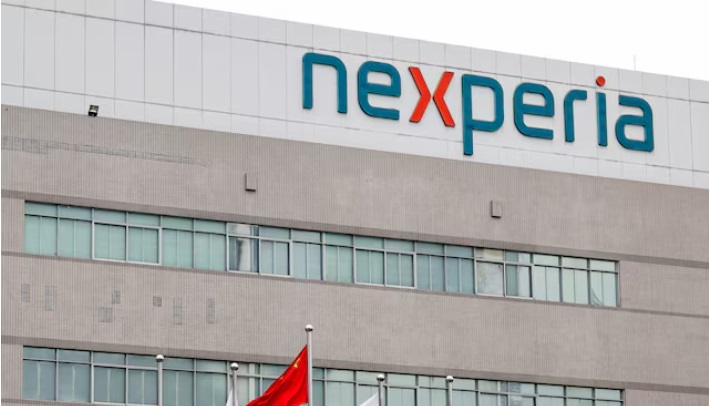
Chinese technology company Wingtech Technology has launched a major new lawsuit against Dutch semiconductor company Nexperia, seeking damages worth approximately $1.2 billion. The legal dispute marks another dramatic escalation in the ongoing conflict between the two companies following ownership changes, geopolitical tensions, and growing pressure in the global semiconductor industry.
The case highlights how political restrictions, national security concerns, and international chip competition are increasingly reshaping business relationships across the global technology sector.
Key Update: Wingtech has filed a new lawsuit demanding roughly $1.2 billion in damages from Nexperia after disputes linked to ownership restructuring and semiconductor business operations.
Background of the Wingtech–Nexperia Relationship
Wingtech previously controlled Nexperia through a Chinese ownership structure connected to semiconductor acquisitions made in earlier years. Nexperia itself is a major chipmaker headquartered in the Netherlands and supplies semiconductors used in automobiles, industrial systems, smartphones, and consumer electronics.
The relationship became increasingly complicated after Western governments intensified scrutiny of Chinese involvement in sensitive technology industries, especially semiconductors.
Why the Legal Conflict Escalated
The dispute reportedly centers around governance disagreements, ownership control issues, and business restructuring decisions connected to Nexperia’s operations.
Wingtech argues that actions taken by Nexperia and related parties caused major financial losses and damaged the company’s business interests. The new lawsuit significantly increases pressure on Nexperia as legal tensions continue to grow across multiple jurisdictions.
The Role of Global Semiconductor Politics
The semiconductor industry has become one of the most politically sensitive sectors in the global economy.
Governments across Europe, the United States, and Asia are increasingly treating chip manufacturing as a national security issue. This has resulted in stricter foreign investment reviews, export controls, and tighter oversight of cross-border semiconductor deals.
The Wingtech–Nexperia conflict reflects how geopolitical tensions are now directly influencing corporate ownership structures and technology partnerships.
Why Semiconductors Are So Important
Semiconductors are essential components in nearly every modern technology product, including smartphones, electric vehicles, AI systems, telecommunications infrastructure, medical devices, and military equipment.
Because chips power critical industries, governments are aggressively competing to secure domestic semiconductor supply chains and reduce dependence on foreign suppliers.
Growing Pressure on Chinese Tech Investments
Chinese investments in Western technology companies have faced increasing scrutiny over the past several years.
European and American regulators have become more cautious about foreign ownership in areas linked to advanced computing, artificial intelligence, defense systems, and critical infrastructure. These concerns have contributed to rising legal and political challenges for cross-border technology acquisitions.
Impact on the Semiconductor Industry
Legal battles involving major semiconductor firms can create uncertainty throughout global supply chains.
Manufacturers, automotive companies, and electronics producers rely heavily on stable chip supplies. Extended legal disputes or ownership conflicts may affect investment decisions, strategic partnerships, and future expansion plans within the industry.
The Broader U.S.–China Technology Rivalry
The case also reflects the wider technological rivalry between China and Western nations.
As countries race to dominate areas like artificial intelligence, advanced computing, and semiconductor manufacturing, companies operating across borders are increasingly caught between competing political and economic interests.
Potential Financial and Business Consequences
If Wingtech succeeds in court, the damages could have major financial implications for Nexperia and potentially affect future corporate restructuring decisions.
The lawsuit may also influence how governments and companies approach international technology partnerships going forward, especially in highly strategic industries like semiconductor manufacturing.
Final Thoughts
The Wingtech–Nexperia legal battle demonstrates how the global chip industry is no longer driven purely by business competition.
Semiconductors have become deeply connected to geopolitics, national security, and global economic strategy. As international tensions continue to rise, legal disputes involving technology ownership and chip production are likely to become increasingly common across the industry.
Tech Insight: Modern semiconductor disputes are increasingly shaped not just by business disagreements, but by global political competition over control of critical technologies.




.jpeg)