05. May 2026
Admin
Starbucks CEO Faces Backlash Over $9 Coffee Comment Amid Strong Earnings

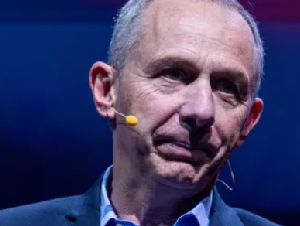
Starbucks CEO Brian Niccol has come under heavy criticism after defending the company’s high-priced drinks, including beverages that can cost up to $9.
His comments came during discussions about the company’s performance and strategy, where he described such purchases as part of a “premium experience” offered to customers.
While Starbucks continues to report strong sales and improving customer traffic, the remarks have sparked widespread debate about affordability and pricing.
Quick Insight: The controversy shows the growing tension between rising consumer costs and premium pricing strategies used by global brands.
What the CEO Said
Brian Niccol explained that Starbucks is not just selling coffee, but an overall experience.
According to him:
- Some customers see a $9 drink as a “premium experience”
- Others consider it an affordable luxury under $10
- Consumers are willing to pay for atmosphere, service, and customization
He emphasized that customers across different income levels continue to visit Starbucks despite higher prices.
Why People Reacted Strongly
The comments quickly triggered backlash online and in the media.
Critics argued that:
- The statement feels disconnected from current economic realities
- Many consumers are struggling with rising living costs
- A $9 coffee is considered expensive by average customers
Some people described the remarks as “out of touch,” especially in a time of inflation and financial pressure.
Starbucks’ Financial Performance
Despite the controversy, Starbucks is showing strong business performance.
Recent results show:
- Global sales growth above expectations
- Increasing customer traffic across locations
- Improved revenue and earnings performance
The company has been implementing a turnaround strategy focused on better service, store experience, and product innovation.
The Strategy Behind Premium Pricing
Starbucks operates on a premium brand strategy rather than competing on low prices.
This strategy focuses on:
- Customer experience and store ambiance
- Product customization and variety
- Brand loyalty and lifestyle appeal
The idea is to position Starbucks as a “treat” or lifestyle purchase rather than a basic necessity.
The Bigger Economic Debate
This situation reflects a larger issue in today’s economy.
- Consumers are becoming more price-sensitive
- Luxury and “premium” brands are under scrutiny
- Companies must balance pricing with public perception
Businesses that fail to align with customer realities risk backlash—even when financially successful.
What This Means for Brands
The reaction to this situation offers important lessons for companies.
- Pricing must match perceived value
- Public communication matters as much as performance
- Customer sentiment can impact brand reputation quickly
Even strong earnings cannot fully protect a brand from public criticism.
Final Thoughts
Starbucks’ strong financial performance shows that its business strategy is working, but the backlash over the $9 coffee highlights the importance of understanding customer sentiment.
In today’s world, companies must not only deliver results but also communicate in ways that resonate with everyday consumers.
Balancing premium branding with affordability will remain a key challenge for global companies moving forward.
Tip: When building a business, always align your pricing and messaging with what your target audience can realistically afford.





















.jpeg)













.jpg)