01. May 2026
Admin
Meta Faces Legal Showdown as New Mexico Seeks Major Platform Changes Over Child Safety
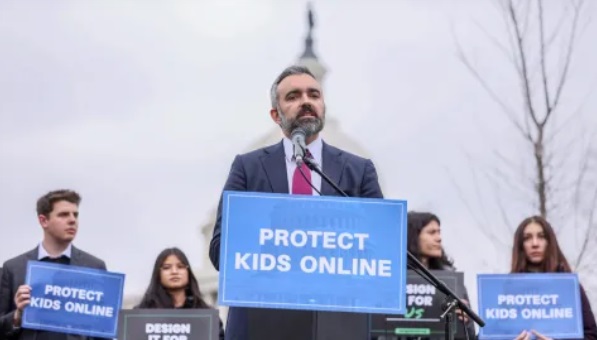
Meta is facing increasing legal pressure in the United States as the New Mexico Attorney General pushes for major changes to how the company operates its platforms, especially regarding child safety.
The case has now entered a critical phase, where the court will decide whether to impose sweeping restrictions and reforms on Meta’s services such as Facebook, Instagram, and WhatsApp.
Quick Insight: This case could reshape how social media platforms operate for young users—not just in the U.S., but globally.
What the Case Is About
The legal battle began after New Mexico accused Meta of failing to protect children on its platforms.
Investigators reportedly created fake underage profiles and found they were quickly exposed to harmful content and interactions, raising serious safety concerns.
A jury later found Meta liable for violating consumer protection laws and misleading users about platform safety.
$375 Million Verdict Against Meta
In March 2026, a New Mexico jury ordered Meta to pay $375 million in penalties.
The court found that Meta committed thousands of violations by failing to adequately protect young users and by providing misleading information about safety features.
This marked one of the first major legal victories by a U.S. state against a big tech company over child safety issues.
What Is “Injunctive Relief” in This Case?
The current phase of the case focuses on something called
injunctive relief.
This means the court may order Meta to make specific changes to its platform—not just pay fines.
Possible changes include:
- Stronger age verification systems
- Limits on harmful content exposure
- Changes to recommendation algorithms
- Restrictions on certain features for minors
The goal is to prevent future harm rather than only punish past actions.
Meta’s Response and Pushback
Meta has strongly opposed the proposed changes, arguing that many of the demands are unrealistic.
The company claims some requirements are:
- Technically impractical
- Difficult to enforce
- Potentially harmful to user privacy
Meta has even warned that it may consider restricting access to its platforms in New Mexico if forced to comply with certain rules.
Why This Case Is So Important
This case is being closely watched because it could set a global precedent.
If the court enforces strict rules on Meta, other governments may adopt similar regulations.
It also signals a shift from fines to direct control over how tech platforms operate.
Growing Global Pressure on Social Media
Meta is not the only company facing scrutiny.
Governments worldwide are increasing pressure on tech companies to:
- Protect children online
- Reduce harmful content exposure
- Improve transparency
This reflects a broader global effort to regulate digital platforms more strictly.
What This Means for Users
If the court approves these changes, users—especially younger ones—may notice:
- Stricter account verification processes
- More controlled content feeds
- Safer but more restricted platform experiences
These changes aim to balance safety with user freedom.
Final Thoughts
The legal battle between Meta and New Mexico represents a turning point in how governments regulate social media.
While companies argue about technical limitations, regulators are focusing on protecting users—especially children.
The outcome of this case could redefine the future of online safety and platform responsibility worldwide.
Tip: As social media rules tighten globally, users should expect more safety features—but also more restrictions on how platforms are used.


















.jpeg)