Pan-Atlantic University, Partners Train 2,500 Youths to Tackle Global Challenges
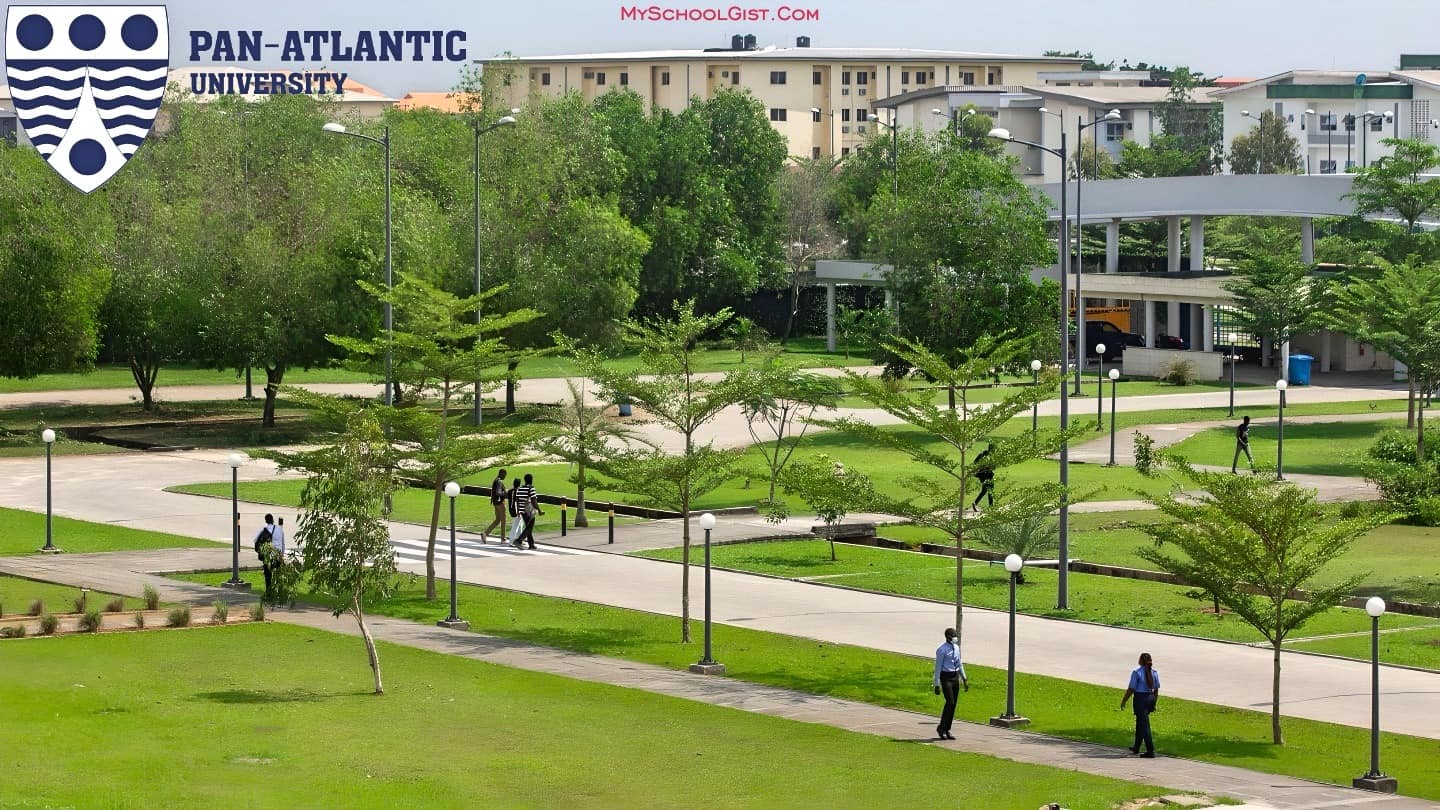
Pan-Atlantic University, in collaboration with 11 institutions across Europe and Africa, has launched a major initiative to train about 2,500 young people to address pressing global challenges.
The programme, known as the SYNAPSE Virtual Exchange Project, is co-funded by the European Union under the Erasmus+ scheme and will run for three years.
Quick Insight: The project uses digital learning and international collaboration to prepare young people for solving real-world global problems.
What the SYNAPSE Project Is About
The initiative is designed to equip youths with critical skills needed to tackle global issues such as climate change, inequality, and digital transformation.
Participants will engage in virtual exchanges that connect individuals from multiple countries, allowing them to collaborate, share ideas, and develop practical solutions.
The project focuses on building a new generation of globally aware and solution-driven young leaders.
Countries and Institutions Involved
The programme connects participants from countries including Nigeria, Kenya, Namibia, Ethiopia, Malawi, Spain, and Italy.
It is coordinated by Università Telematica degli Studi and involves academic institutions, youth organisations, and development partners working together to deliver impact.
This international collaboration ensures diverse perspectives and cross-cultural learning experiences.
Skills and Training Focus
Participants will be trained in key areas such as leadership, innovation, and community development.
Special attention is given to inclusivity, with opportunities for women, rural youths, and persons with disabilities.
The programme also introduces systems thinking, helping participants understand complex global challenges and develop sustainable solutions.
Role of Digital Learning and Virtual Exchange
The project leverages online platforms to create interactive learning environments where participants can engage in discussions and collaborative projects.
This approach removes geographical barriers and allows young people to work together across borders in real time.
It also reflects the growing importance of digital education in preparing youths for global opportunities.
Expected Impact on Youth Development
With a target of over 2,500 participants, the initiative aims to build a network of globally connected young leaders.
These individuals are expected to apply their knowledge and skills within their communities, contributing to social and economic development.
The project is also seen as a step toward strengthening youth capacity in addressing future global challenges.
Final Thoughts
The SYNAPSE initiative highlights the growing importance of global collaboration in youth development.
By combining digital learning with international partnerships, the programme is preparing young people to think beyond borders and create meaningful solutions to global problems.
Such initiatives are essential in shaping a generation capable of driving innovation and sustainable development worldwide.
Tip: Developing global skills like collaboration, innovation, and problem-solving is key to succeeding in today’s interconnected world.