Shipping Firms Seek Clarity Before Crossing Strait of Hormuz Despite Reopening Announcement
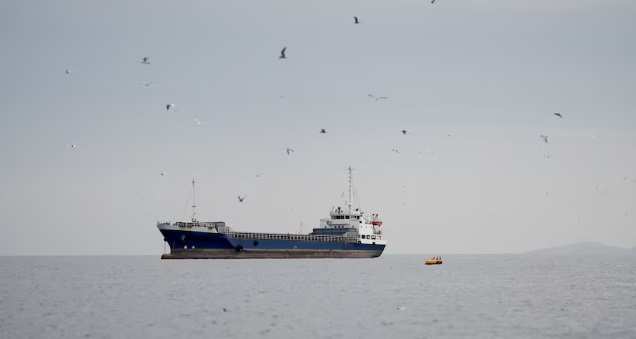
Global shipping companies are treading cautiously after Iran announced that the Strait of Hormuz is open for commercial traffic. While the development initially boosted market confidence, many firms are holding back from resuming operations due to lingering uncertainty about safety conditions and navigation rules.
Quick Insight: Although the Strait of Hormuz has been declared open, shipping firms are demanding clear guarantees on safety, navigation routes, and operational control before sending vessels through one of the world’s most critical oil transit routes.
Ships Attempt Passage — But Turn Back
Shortly after the reopening announcement, a group of vessels attempted to move through the Strait of Hormuz. However, many of them halted mid-journey or turned back entirely, highlighting the uncertainty still surrounding the route.
This hesitation reflects concerns about possible hidden threats and the lack of clear operational guidelines for safe passage.
Major Concerns: Mines and Safety Risks
Shipping firms are particularly worried about the potential presence of sea mines and other security risks in the waterway. These threats are not fully understood, making it difficult for companies to assess whether the route is truly safe.
Without confirmed clearance and risk assessments, many operators are unwilling to expose their vessels and crews to danger.
New Conditions for Passage
Iran has stated that commercial vessels can pass through the strait, but only under certain conditions. Ships are expected to:
- Coordinate transit plans with Iranian authorities
- Use designated “safe lanes” determined by Iran
- Avoid restricted zones and comply with navigation instructions
These requirements have raised questions about freedom of navigation and operational independence for global shipping firms.
Mixed Reactions from Shipping Companies
Some global shipping companies are considering a gradual return to the route, while others are adopting a wait-and-see approach. Industry groups have emphasized that more clarity is needed regarding:
- Security guarantees
- Insurance coverage implications
- Enforcement of navigation rules
Until these issues are resolved, full resumption of shipping activity is unlikely.
Global Impact on Oil and Trade
The Strait of Hormuz is one of the world’s most important shipping lanes, handling a significant portion of global oil and gas supply.
The uncertainty surrounding its safety has already caused disruptions in global trade, affecting energy prices, shipping costs, and supply chains worldwide. Even with the reopening announcement, normal operations may take time to fully recover.
Final Thoughts
The reopening of the Strait of Hormuz is a positive signal for global markets, but uncertainty remains a major obstacle. Shipping firms are prioritizing safety and clarity over speed, choosing to wait until risks are better understood before resuming full operations.
The coming days will be critical in determining whether confidence returns to this vital global trade route.
Tip: Global events like shipping disruptions can directly impact fuel prices, inflation, and business costs. Staying informed helps you make smarter financial and business decisions.