Anthropic Co-Founder Says Asking the Right Questions Matters More Than Coding in the AI Era
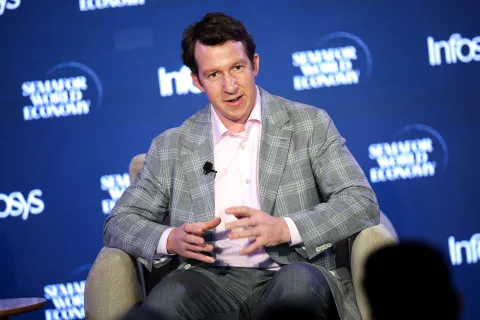
A billionaire co-founder of Anthropic has shared a powerful message for young people navigating the future of work: in the age of artificial intelligence, knowing how to ask the right questions may be more valuable than knowing how to code.
As AI systems become increasingly capable of writing and optimizing code, the traditional advantage of programming skills is beginning to shift.
Quick Insight: The future is not about competing with AI in coding—it’s about thinking, questioning, and combining knowledge across different fields.
Why Coding Is Losing Its Edge
AI tools are rapidly transforming software development by handling many of the repetitive and technical aspects of coding.
Tasks that once required deep programming expertise can now be completed faster and more efficiently with AI assistance.
This means that basic or routine programming skills are becoming less valuable, especially for beginners entering the tech industry.
The Power of Asking the Right Questions
According to the Anthropic co-founder, one of the most important skills in the AI era is the ability to ask meaningful and insightful questions.
Instead of focusing only on technical execution, individuals who can frame problems clearly and guide AI systems effectively will have a significant advantage.
This skill allows people to unlock the full potential of AI tools and generate better outcomes.
Rise of Interdisciplinary Thinking
The future workforce will increasingly value people who can combine knowledge from different fields such as technology, history, business, and the arts.
Understanding how different ideas connect helps individuals create innovative solutions and think beyond narrow technical boundaries.
This type of thinking is becoming more important than mastering a single technical skill.
What This Means for Education
The shift in skill demand is changing how education is viewed.
Degrees that were once considered less practical, such as those in the humanities, are gaining new relevance.
These fields help develop critical thinking, creativity, and communication—skills that are essential in working alongside AI systems.
Impact on Jobs and Employment
As AI continues to evolve, many entry-level roles that rely on routine tasks may become less necessary.
This could lead to increased competition for jobs and a need for higher-level thinking skills.
However, it also creates new opportunities for those who can adapt, learn quickly, and use AI as a tool rather than viewing it as a threat.
From Coding to Problem-Solving
The role of humans in technology is shifting from writing code to solving complex problems.
Instead of focusing on how to build something step by step, the emphasis is moving toward deciding what should be built and why.
This change highlights the importance of strategy, creativity, and decision-making in the future of work.
Advice for Gen Z
Young people entering the workforce are encouraged to:
- Develop strong thinking and problem-solving skills
- Learn how to use AI tools effectively
- Explore multiple fields of knowledge
- Focus on creativity and innovation
These abilities will help them remain relevant in a rapidly changing job market.
The Bigger Shift in the Tech Industry
The conversation reflects a broader transformation in the global economy.
As AI takes over routine tasks, human value is shifting toward areas that require judgment, creativity, and deep understanding.
Rather than eliminating opportunities, this shift is redefining what it means to be skilled in the modern world.
Final Thoughts
The idea that asking the right questions may matter more than coding highlights a major turning point in the AI era.
While technical skills remain important, they are no longer the only path to success.
In the future, those who can think critically, connect ideas, and work effectively with AI will have the greatest advantage.
Tip: Don’t just focus on learning technical skills—learn how to think deeply, ask better questions, and use AI tools to create real-world solutions.