US Crude Oil Prices Drop Over 1% as Markets React to Supply Risks and Diplomatic Signals
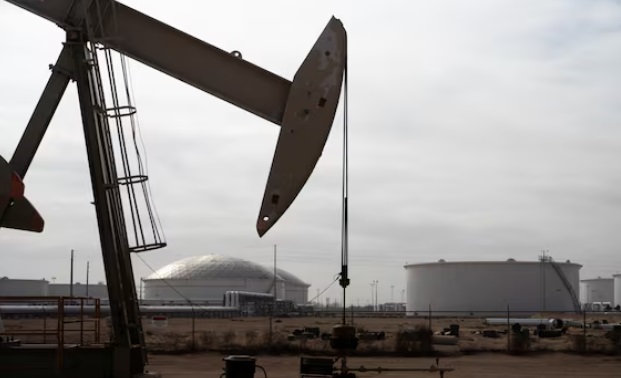
U.S. crude oil prices declined by more than 1% as global markets reacted to a mix of ongoing supply concerns and emerging diplomatic signals that could ease geopolitical tensions.
The movement highlights how sensitive the energy market has become, with traders constantly adjusting positions based on global developments.
Quick Insight: Oil markets are currently being driven by a balance between supply disruption fears and optimism about diplomatic progress that could stabilize global energy flows.
Why Oil Prices Dropped
The decline in oil prices was largely influenced by expectations that diplomatic engagement between major global players could reduce tensions affecting oil supply routes.
When markets anticipate reduced conflict, fears of supply shortages begin to ease, leading to price corrections.
In this case, even slight optimism around negotiations was enough to push prices downward.
Ongoing Supply Concerns
Despite the price drop, supply risks remain a major concern in the global oil market.
Geopolitical instability in key oil-producing regions continues to threaten production levels and distribution channels.
Disruptions to shipping routes, sanctions, and production uncertainties all contribute to a fragile supply environment.
These risks prevent prices from falling too sharply and keep markets on edge.
Volatility in the Energy Market
Oil prices have become increasingly volatile, reacting rapidly to both political developments and economic signals.
A single announcement or policy shift can trigger immediate price changes, reflecting the high level of uncertainty in the market.
This volatility makes it difficult for businesses and governments to plan long-term energy strategies.
Impact of Geopolitical Developments
Tensions involving major oil-producing nations have played a significant role in shaping current market conditions.
Conflicts and political disagreements can disrupt production and export activities, leading to reduced supply in global markets.
At the same time, any signs of peace or negotiation can quickly reverse these effects, showing how closely oil prices are tied to global politics.
Key Forces Driving the Market
The oil market is currently influenced by two major opposing forces:
- Persistent concerns about limited global supply due to geopolitical risks
- Growing optimism that diplomatic efforts could stabilize the situation
This ongoing tension between risk and optimism is responsible for the frequent price fluctuations observed in recent weeks.
Global Economic Implications
Oil price movements have far-reaching effects on the global economy.
Higher oil prices can increase transportation and production costs, leading to inflation and reduced consumer spending.
On the other hand, falling prices can provide relief but may signal instability in global demand or supply chains.
For emerging economies, especially those dependent on fuel imports, these fluctuations can significantly impact economic stability.
What to Expect Going Forward
Market analysts expect oil prices to remain unstable in the near term as geopolitical developments continue to unfold.
Traders will closely monitor diplomatic talks, supply updates, and global economic indicators for signals that could influence price direction.
Any major breakthrough or escalation could lead to sharp movements in either direction.
Final Thoughts
The recent drop in U.S. crude oil prices reflects the delicate balance between risk and optimism in the global energy market.
While supply concerns continue to support prices, even small signs of diplomatic progress can shift market sentiment quickly.
As uncertainty remains high, volatility is likely to persist, making oil one of the most closely watched commodities in the world today.
Tip: Staying informed about global oil trends can help you understand changes in fuel prices, inflation, and overall economic conditions.

















.jpeg)