ASML Shares Fall After U.S. Congress Moves to Further Restrict Exports to China
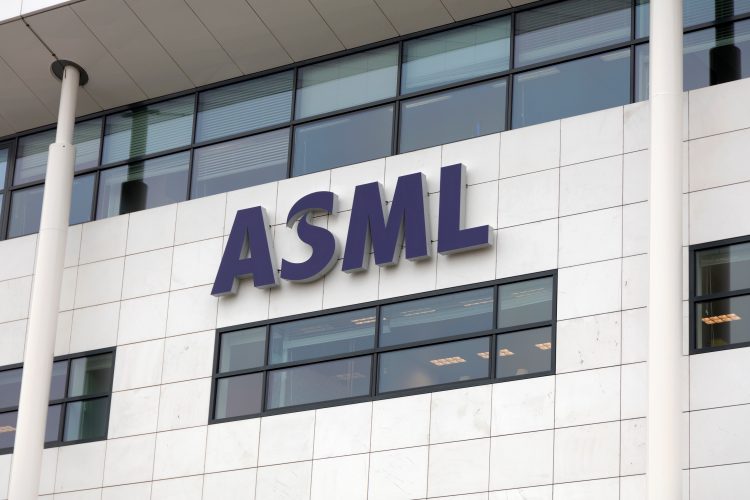
Shares of Dutch semiconductor equipment maker ASML experienced a sharp decline after U.S. lawmakers introduced a proposed law that could impose additional restrictions on exports of its chipmaking tools to China. The move reflects rising geopolitical tensions and the evolving global semiconductor supply chain landscape, and it has investors worried about the company’s growth prospects in one of its biggest markets.
Quick Insight: ASML’s stock dropped by as much as around 4–5% in early trading after the export‑control proposal was announced, showing how sensitive the market is to U.S.–China tech policy shifts.
What Triggered the Share Decline?
A bipartisan group of U.S. lawmakers introduced legislation known as the MATCH Act, which aims to further tighten export controls on semiconductor manufacturing equipment to China. This would impact ASML’s ability to sell and service certain lithography tools—especially deep ultraviolet (DUV) immersion systems—in the Chinese market.
China already represents a significant portion of ASML’s business—accounting for a sizable chunk of its projected revenue. The threat of tighter restrictions led investors to reassess the company’s near‑term revenue outlook, triggering selling pressure on its shares.
Why China Matters for ASML
ASML is the world’s leading manufacturer of lithography machines, including both extreme ultraviolet (EUV) and deep ultraviolet (DUV) systems. These technologies are essential for producing advanced and mainstream semiconductors.
China has been a major market for ASML’s tools in recent years, both for cutting‑edge and older‑generation systems. Any restriction on sales or servicing in China could reduce future revenue and disrupt the company’s growth momentum.
Geopolitical Risks and Export Controls
The proposed export controls come amid broader tensions between the United States and China over technology leadership and national security concerns. Policymakers in Washington have been increasingly focused on preventing advanced semiconductor technologies from strengthening China’s military and high‑tech capabilities.
Recent U.S. measures have already restricted the most advanced EUV tools, and the MATCH Act seeks to expand controls to additional equipment like DUV machines and related services.
Market Reaction and Analyst Views
Financial markets quickly reacted to the news, with ASML’s share price falling sharply as investors weighed the potential impact. Analysts have given mixed forecasts:
- Some see the restrictions having a modest effect on long‑term revenue
- Others warn that reduced access to China could lower earnings by up to double digits
This mix of views reflects uncertainty about how the legislation would be implemented and whether European partners will align with U.S. export controls.
Broader Impact on the Semiconductor Industry
ASML’s situation is part of a broader trend in which semiconductor companies are navigating geopolitical pressures that affect global supply chains. Export controls don’t just impact individual companies—they can influence manufacturing strategies, investment decisions, and international collaboration.
Many analysts warn that continued restrictions could slow global semiconductor capacity expansion, especially in advanced chip segments, and cause ripple effects in related industries like consumer electronics and AI hardware.
Final Thoughts
The recent drop in ASML’s stock highlights how geopolitical policy shifts can influence investor sentiment, even for industry leaders with strong fundamentals. As the MATCH Act and similar proposals move through the U.S. legislative process, market volatility may continue, especially for companies with significant exposure to China.
For investors and tech watchers, this story underscores the complex interplay between politics, technology, and global business strategy in the semiconductor era.
Tip: The semiconductor industry plays a key role in modern technology—from smartphones to AI computing—so keeping an eye on export policies and geopolitical shifts can help you understand market trends and investment risks.










.jpeg)