04. March 2026
Admin
OpenAI Revises Pentagon AI Deal After Backlash Over Surveillance and Ethics
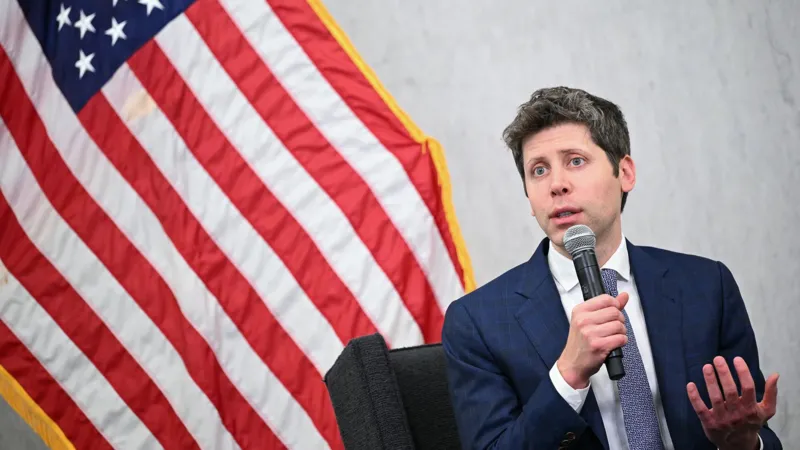
OpenAI has announced updates to its agreement with the U.S. Department of Defense after widespread criticism that its initial contract could allow controversial uses of its AI technology — especially concerns about potential domestic surveillance and ethical limits on military deployment. CEO Sam Altman admitted the original deal appeared rushed and “opportunistic,” and says the company is working with the Pentagon to add clearer safeguards.
Quick Insight: Following public and internal criticism over its military AI deal — including fears it might be used for domestic monitoring — OpenAI said it will add explicit protections against such uses and clarify that intelligence agencies cannot use its systems without separate approvals.
Public and Employee Backlash
When OpenAI’s agreement with the Pentagon was first announced, many users expressed concern about the potential ethical implications, leading to subscription cancellations and online backlash. Critics worried that AI tools might be leveraged for mass surveillance or advanced military systems. Altman acknowledged these concerns and called the announcement “sloppy.”
What OpenAI Changed in the Deal
To address criticism, OpenAI said it will amend the contract to explicitly bar the use of its AI models for domestic surveillance of U.S. persons and ensure compliance with U.S. civil liberties protections like the Fourth Amendment. The revised language also clarifies that intelligence agencies such as the National Security Agency would need a separate contract amendment to use the technology.
CEO Admits Deal Was Rushed
Sam Altman publicly acknowledged that the initial announcement was premature, saying the contract details were complex and deserved clearer communication. He said that OpenAI is committed to refining the agreement so it aligns with legal safeguards and public expectations.
Broader Debate on AI and Ethics
The controversy highlights a larger debate within the AI community about how advanced artificial intelligence should be used in government and military contexts. Some experts argue that strong protections are necessary to prevent misuse, while others say collaboration with defense agencies can help ensure responsible deployment.
Final Thoughts
OpenAI’s decision to revise its Pentagon deal reflects growing concern about the intersection of powerful AI systems, civil liberties, and national security. By adding explicit protections, the company aims to balance ethical responsibilities with advancing technology, though critics may continue to watch closely how those safeguards are implemented.
Tip: When technology companies partner with governments, clear language and ethical safeguards help build public trust and protect civil rights.