26. February 2026
Admin
US Officials Warn of Iranian Threat Ahead of Nuclear Talks
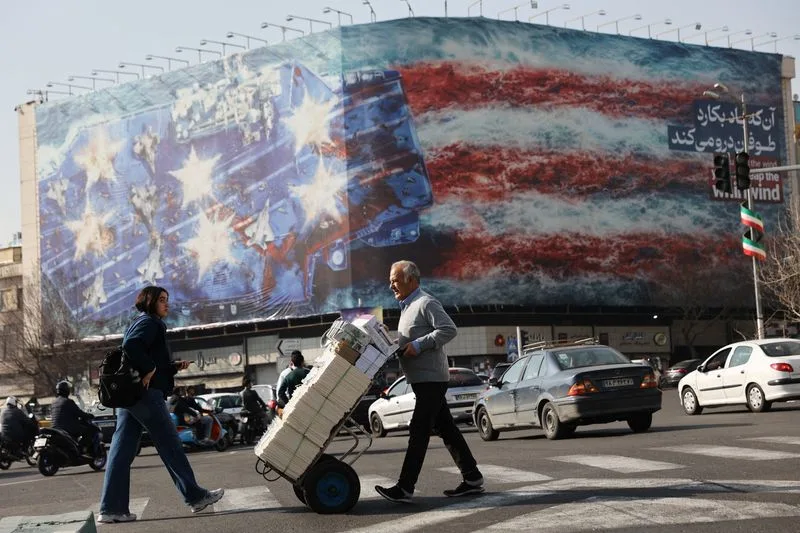
Senior Trump administration officials have warned that Iran poses a significant threat to the United States ahead of upcoming nuclear negotiations in Geneva. These discussions mark the third round of nuclear talks this year, with the U.S. increasing its military presence in the Middle East to prepare for potential actions against Tehran.
Quick Insight: The U.S. is closely monitoring Iran's nuclear and missile programs, emphasizing that Tehran's growing capabilities could threaten American interests both regionally and globally.
State of the Union Warnings
In his recent State of the Union address, President Donald Trump accused Iran of restarting its nuclear program and developing missiles capable of reaching the United States. He highlighted Iran's past attacks on U.S. service members and warned that failure to reach a deal could have severe consequences for Tehran.
Rubio Echoes Concerns
U.S. Secretary of State Marco Rubio emphasized that Iran is attempting to rebuild its nuclear capabilities despite previous restrictions. Rubio also pointed out that Iran possesses a substantial arsenal of ballistic missiles, some capable of striking U.S. interests in the region and potentially Europe.
Ballistic Missiles Remain a Key Issue
Tehran’s refusal to discuss its ballistic missile program in the Geneva talks remains a major obstacle. Rubio described the upcoming negotiations as "the next opportunity to talk," stressing that productive discussions would need to address more than just the nuclear program.
U.S. Military Preparedness
Ahead of the talks, the United States has positioned significant military forces in the Middle East to deter potential threats and respond quickly if needed. These measures reflect the ongoing concern over Iran’s expanding military and nuclear capabilities.
Final Thoughts
The situation underscores the complex challenges facing U.S. foreign policy in the Middle East. Balancing diplomacy with military readiness remains crucial as both countries navigate sensitive nuclear negotiations and regional security issues.
Tip: Understanding international negotiations and regional security dynamics is key for following global political developments and their potential impact on national and international interests.













.jpeg)