Morgan Stanley Hails Rare ‘Reindustrialization Renaissance’ of AI Economy—but It’s Better for Computers Than Humans
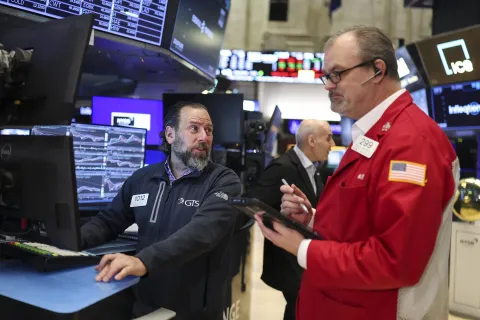
The rapid growth of artificial intelligence is driving what experts describe as a rare “reindustrialization renaissance,” marked by massive investment in computing infrastructure, advanced chips, and industrial-scale technology. This shift represents one of the most significant economic transformations in decades.
Quick Insight: The AI boom is fueling enormous spending on machines, data centers, and automation, creating economic growth driven more by technology infrastructure than human labor.
A New Industrial Era Driven by AI
Unlike previous digital revolutions focused on software and mobile applications, the current AI wave requires physical infrastructure such as specialized servers, high-performance chips, and large-scale data centers. This surge in infrastructure investment is creating a modern industrial expansion powered by computing power.
Massive Spending on AI Infrastructure
Technology companies are investing billions to build and expand AI capabilities. This includes constructing data centers, developing advanced processors, and expanding energy capacity to support the growing demands of artificial intelligence systems. These investments are reshaping industries and accelerating global technological development.
Why Machines Benefit More Than Humans
While this infrastructure boom strengthens economic growth, much of the value is concentrated in machines and automation. AI systems can perform tasks faster and more efficiently, allowing companies to increase productivity without significantly increasing their workforce. This means computers and automation systems often benefit more directly from AI investment than human workers.
Changing the Structure of the Global Economy
The growing importance of AI infrastructure is transforming how economies function. Computing power is becoming a critical resource, and companies that control advanced AI systems and infrastructure are gaining competitive advantages. This shift may redefine industries, business models, and global economic leadership in the coming years.
The Future of Work in the AI Age
As AI continues to evolve, the workforce will need to adapt. New opportunities will emerge in technology development, infrastructure management, and AI-related services. However, traditional roles may change or decline as automation becomes more widespread, highlighting the importance of learning new digital and technical skills.
Final Thoughts
The AI-driven reindustrialization marks a historic shift toward infrastructure-based economic growth powered by intelligent machines. While this transformation brings enormous opportunities for innovation and progress, it also presents challenges as businesses and workers adapt to a rapidly changing technological landscape.
Tip: Developing AI, digital, and technical skills will be essential for individuals and businesses to remain competitive in the rapidly evolving AI-driven economy.














.jpeg)