WHO Expresses Regret Over U.S. Withdrawal
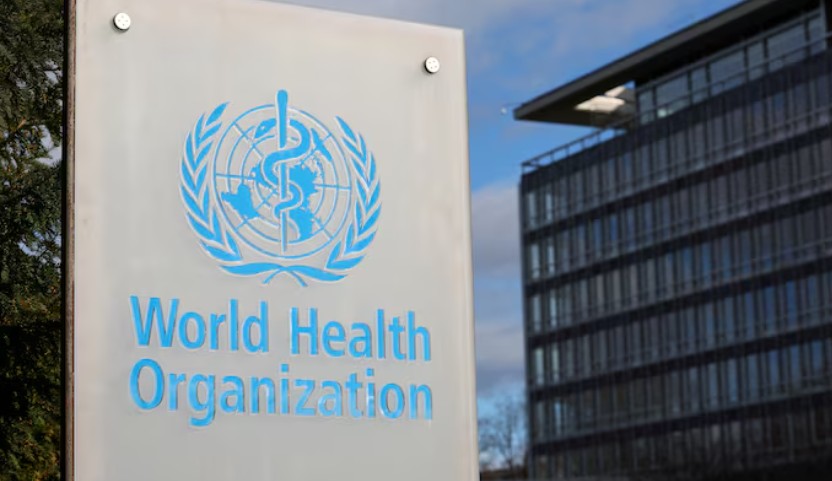
The **World Health Organization (WHO)** has publicly expressed regret following the United States’ formal withdrawal from the agency in January 2026. The organization highlighted that the decision could reduce global health security and diminish international cooperation in responding to disease outbreaks and other public health challenges.
Key Insight: The U.S. has historically been one of WHO’s largest contributors, supporting programs on disease prevention, vaccination, and outbreak monitoring. Its withdrawal raises questions about the future of global health coordination.
WHO’s Position
WHO emphasized that the reasons provided by U.S. officials for leaving are **“untrue”** and reaffirmed its commitment to working with all member states. The organization stressed that throughout the COVID‑19 pandemic and other global health emergencies, it provided timely, science-based guidance and support to countries worldwide.
WHO hopes that the U.S. will return to active participation in the near future to strengthen international collaboration on health security.
Global Reactions and State-Level Engagement
Several U.S. states, including California, have pledged to continue engaging with WHO’s global health networks independently of the federal government. This reflects a growing interest among regional governments to maintain access to critical health data, vaccination programs, and emergency preparedness networks despite the federal withdrawal.
International health experts have cautioned that the U.S. exit could weaken global disease monitoring and outbreak response, potentially increasing risks for both American and global populations.
Implications for Global Health
The withdrawal marks a significant shift in international health cooperation. Key implications include:
• Potential reduction in funding for WHO programs and vaccine distribution initiatives.
• Increased pressure on other member countries to fill the gap in global health leadership and financing.
• A possible slowdown in coordinated responses to future pandemics and outbreaks.
Despite these challenges, WHO remains committed to its mission of promoting public health, providing emergency response, and coordinating scientific research across borders.
Final Thoughts
The U.S. withdrawal from WHO has drawn global attention to the importance of international collaboration in public health. While the move may create short-term challenges, continued engagement by states, private organizations, and other member countries can help mitigate risks. The situation underscores the critical need for cooperation and shared responsibility in addressing global health threats.
Tip: Stay informed about global health developments, as changes in international cooperation can directly impact disease prevention and outbreak response worldwide.



























.jpg)