World’s First Open-Source Quantum Computer Marks a Major Breakthrough
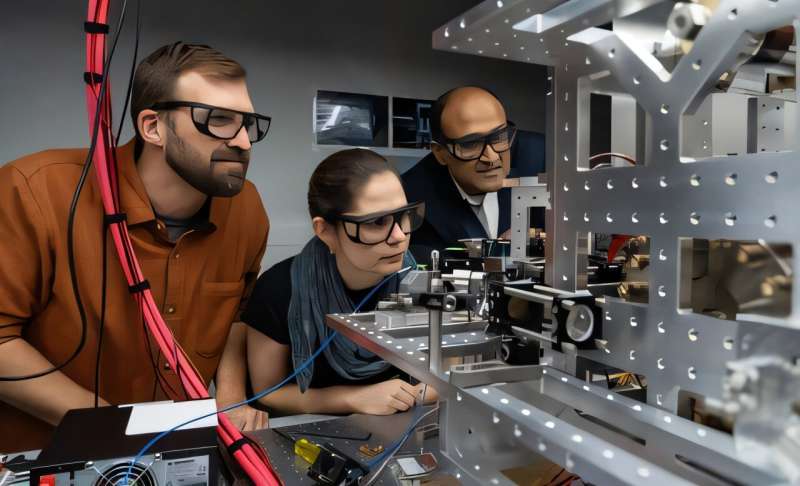
Quantum computing has taken a historic step forward with the development of the world’s first fully open-source quantum computer. Unlike traditional proprietary systems, this breakthrough makes both the hardware and software designs openly accessible, allowing researchers, developers, and institutions worldwide to study, modify, and improve the technology collaboratively.
Quick Insight:
Open-source quantum systems remove major barriers to innovation by allowing global collaboration, faster experimentation, and transparent development across the entire quantum computing stack.
What Makes This Quantum Computer Different
• The system is fully open-source, covering hardware architecture, control electronics, and operating software.
• Researchers can inspect, modify, and build upon every layer of the quantum system without restrictions.
• This approach contrasts sharply with closed commercial platforms that limit access to internal designs.
How the Technology Works
• The quantum computer uses trapped-ion technology, where charged atoms are suspended and controlled using electromagnetic fields.
• Lasers manipulate these ions to function as qubits, enabling quantum calculations.
• Trapped-ion systems are known for high precision and long coherence times, making them suitable for research and experimentation.
Why Open-Source Quantum Computing Matters
• Open access allows universities, startups, and independent researchers to participate without massive capital investment.
• Shared designs speed up innovation by letting contributors learn from one another’s improvements and mistakes.
• Transparency strengthens trust, reproducibility, and education in an emerging and complex field.
Potential Impact on Science and Industry
• Accelerated research in cryptography, materials science, chemistry, and artificial intelligence.
• Faster development of quantum algorithms through wider testing and collaboration.
• Long-term reduction in development costs as shared infrastructure replaces duplicated efforts.
Final Thoughts
The launch of an open-source quantum computer represents a shift in how advanced technologies are developed and shared. By embracing openness, collaboration, and transparency, this initiative could dramatically accelerate progress in quantum computing while democratizing access to one of the most powerful technologies of the future.





.jpeg)









1.jpeg)