The Rise of Myopia in Children

Myopia, or nearsightedness, is rapidly becoming one of the most common vision problems among children worldwide. What was once considered a rare childhood condition is now affecting an increasing number of students, leading experts to warn of a potential public health crisis. Urbanization, modern lifestyles, and prolonged exposure to digital devices are creating an environment that promotes excessive eye growth and worsening vision in children.
1. Understanding Myopia
Myopia occurs when the eyeball grows too long from front to back or when the cornea is too curved. This causes light entering the eye to focus in front of the retina rather than directly on it, making distant objects appear blurry while close vision remains clear. Genetics play a role — children with myopic parents are more likely to develop nearsightedness — but lifestyle and environmental factors now appear to be driving a global surge.
The bitter truth: while genetics set the stage, modern life is rewriting the script of childhood vision.
2. The Digital Factor: Screens Everywhere
Children today spend hours on smartphones, tablets, computers, and televisions, often without breaks. The eyes are forced to focus on near objects for extended periods, which encourages elongation of the eyeball. Research shows that continuous near-work activities increase both the likelihood and severity of myopia. Schools with heavy digital integration and children using multiple devices simultaneously are particularly affected.
The bitter truth: convenience and technology are slowly reshaping the very anatomy of our children’s eyes.
3. Lack of Outdoor Exposure
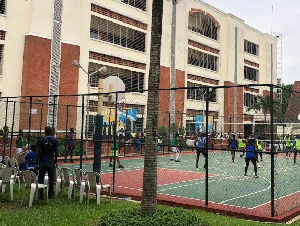
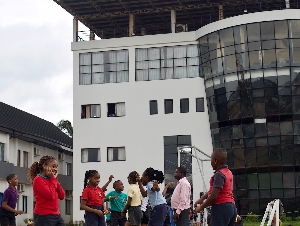
Sunlight and distance viewing play a critical role in healthy eye development. Studies suggest that children who spend at least 1–2 hours outdoors daily have significantly lower rates of myopia. Natural light stimulates dopamine production in the retina, which regulates eye growth and helps prevent the elongation that causes nearsightedness. Yet urban lifestyles, long school hours, and increased screen time reduce these opportunities.
The bitter truth: city living and indoor routines may be silently sabotaging children’s vision.
4. Academic Pressure and Near-Work Tasks
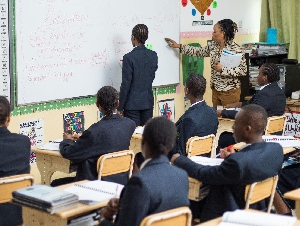
Early reading, homework, and intensive study contribute to prolonged near-focus strain. Children who read or write for long periods without breaks are more likely to develop myopia. In countries with high academic demands, myopia prevalence among teenagers has skyrocketed, showing a clear link between near-work stress and visual development.
The bitter truth: success in the classroom may come at the cost of lifelong eye health.
5. Nutrition and Eye Health
Emerging research indicates that diet may play a supporting role in myopia risk. Diets low in antioxidants, vitamins A, C, and E, and omega-3 fatty acids may not directly cause myopia, but they can compromise overall eye health, potentially exacerbating the effects of environmental factors like screen exposure and limited sunlight.
The bitter truth: neglecting nutrition is another hidden factor in childhood vision problems.
6. Long-Term Risks of Myopia
While mild myopia can be corrected with glasses or contact lenses, high myopia increases the risk of severe eye conditions later in life, including retinal detachment, glaucoma, cataracts, and permanent vision loss. Early onset often predicts faster progression, meaning children affected today may face lifelong challenges if not managed properly.
The bitter truth: childhood myopia is not a trivial inconvenience; it is a chronic condition with lifelong consequences.
7. Preventive Strategies and Lifestyle Adjustments
- Encourage at least 1–2 hours of outdoor activity daily to expose children to natural light.
- Implement the “20-20-20 rule”: every 20 minutes of near work, look at an object 20 feet away for 20 seconds.
- Limit screen time and enforce breaks, especially during homework or recreational use.
- Ensure proper lighting for reading and writing activities.
- Schedule regular eye exams for early detection and intervention.
- Consider specialized myopia control methods such as orthokeratology lenses or low-dose atropine under professional guidance.
The bitter truth: prevention requires consistency, awareness, and cooperation from parents, schools, and healthcare providers.
8. The Global Perspective
Myopia prevalence has reached alarming levels in East Asia, with some cities reporting over 80% of teenagers affected. Western countries are also seeing rising rates, suggesting this is a worldwide issue. Public health authorities now consider myopia a potential epidemic, highlighting the need for preventive programs and educational campaigns.
The bitter truth: this is not just an individual problem — it is a societal challenge demanding coordinated action.
Final Bitter Truth
The rise of myopia in children reflects a broader shift in how modern lifestyles influence health. The bitter truth: our pursuit of technology, academic achievement, and urban convenience is reshaping young eyes and creating a generation at risk of lifelong visual impairment. Protecting children’s vision requires conscious lifestyle choices, proactive healthcare, and a balance between screen time and outdoor experiences.










.jpeg)
































.jpg)