19. January 2026
Admin
Dollar Sinks as New U.S. Tariffs Spark Fears Over Debt and Reserve Currency Status
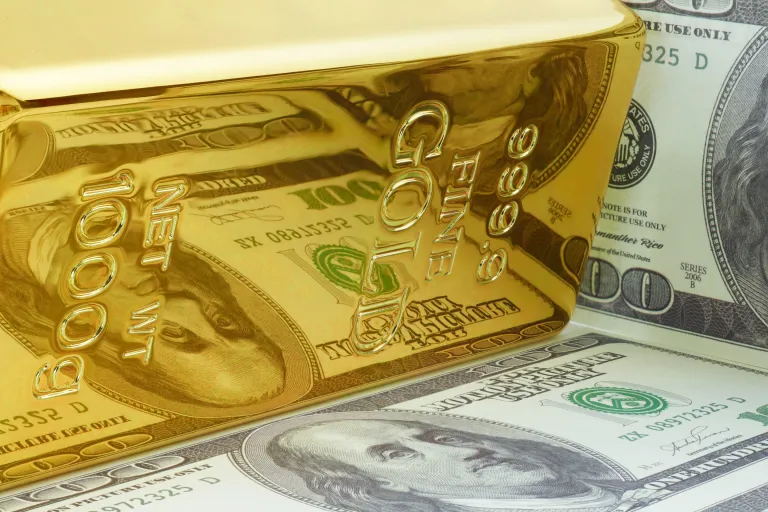
The U.S. dollar has come under renewed pressure following the announcement of sweeping new tariffs, triggering fresh concerns about America’s rising debt burden and the long-term stability of its reserve currency status. Market reactions suggest growing unease over how aggressive trade policies could reshape global confidence in the U.S. financial system.
Market Signal:
Currency movements often reflect confidence. A weakening dollar amid policy uncertainty raises questions about fiscal discipline, global trust, and long-term economic leadership.
Why the Dollar Is Under Pressure
• New tariff measures have intensified fears of slower global trade and retaliatory economic actions.
• Investors worry that higher trade barriers could weaken growth while increasing government spending pressures.
• Rising U.S. debt levels add to concerns about long-term fiscal sustainability.
Debt, Confidence, and the Reserve Currency Question
• The dollar’s global role depends heavily on trust in U.S. institutions, policy consistency, and debt management.
• Persistent deficits and growing interest costs challenge perceptions of financial stability.
• Analysts warn that once confidence in a reserve currency erodes significantly, rebuilding it becomes extremely difficult.
Global Reactions and Strategic Shifts
• Some countries are reassessing their reliance on the dollar for trade settlements and reserves.
• Regional trade agreements and alternative payment systems are gaining attention as hedges against dollar volatility.
• While no single currency has replaced the dollar, diversification efforts are becoming more visible.
Could Economic Collapse Follow?
• The loss of reserve currency dominance would likely raise borrowing costs and reduce financial flexibility.
• A sharp decline in global demand for U.S. assets could destabilize markets and slow economic growth.
• However, such a shift would likely be gradual rather than sudden, shaped by years of policy choices.
Final Thoughts
The dollar remains central to global finance, but recent market reactions highlight how fragile confidence can be. Tariffs, rising debt, and policy uncertainty are fueling debates about the future of America’s economic influence. While the dollar’s dominance is not disappearing overnight, sustained pressure could redefine its role in the global system over time.