Trump Escalates Trade War Tensions With NATO Allies Over Greenland
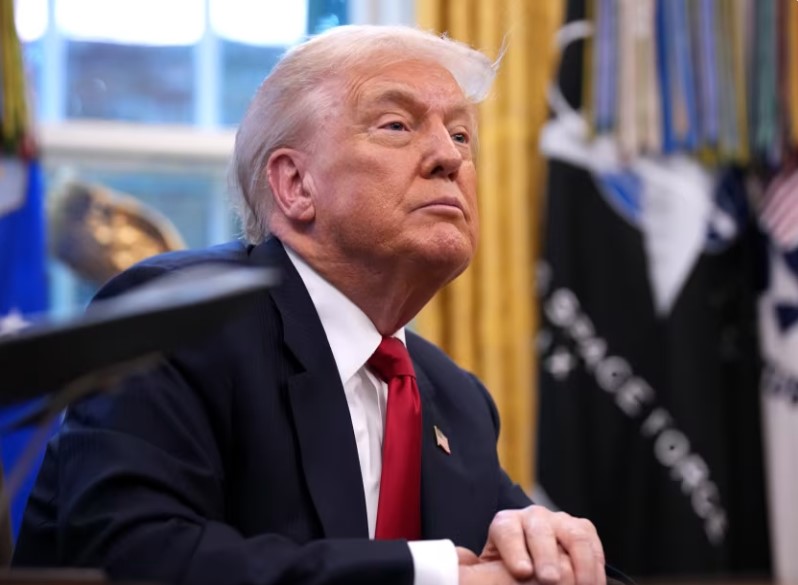
In early 2026, U.S. political leadership dramatically intensified tensions with several European nations by threatening and imposing **tariffs on NATO allies** in connection with a controversial push to gain control of **Greenland**, a strategically important territory in the Arctic. This move has sparked concerns about a widening trade dispute and potential strain on long-standing transatlantic relations.
Quick Insight:
Tariffs targeting multiple European countries signal a trade policy escalation that intersects foreign policy and security interests — complicating alliances and raising the spectre of broader economic fallout.
What Triggered the Trade Escalation
• Several European countries, including Denmark and other NATO members, deployed troops to Greenland as part of joint exercises in response to rising Arctic security concerns.
• The U.S. administration viewed these deployments and opposition to its territorial ambitions as threats to national interests, citing strategic significance of Greenland’s location and natural resources.
• In response, the United States announced new tariffs on imports from Europe, linking the levies to progress toward a negotiated resolution on Greenland’s status.
Details of the Tariff Measures
• The U.S. announced **10% tariffs on goods** from eight European countries, including Denmark, Norway, Sweden, France, Germany, the United Kingdom, the Netherlands, and Finland.
• These tariffs are set to take effect in early February and are scheduled to **rise to 25% by June 1** unless a deal is reached on the future of Greenland.
• The tariffs are framed as leverage in negotiations over Greenland, with officials linking them to broader national security concerns involving Arctic influence.
Reactions From Europe
• European leaders condemned the tariff threats, emphasising respect for sovereignty and the rule of law. Some described the measures as a breach of trust among long-standing allies and potential undermining of multilateral cooperation.
• Nations targeted by the tariffs expressed unity in opposing coercive economic tactics and reaffirmed commitment to collective defense and Arctic security.
• Protests and public statements from allied capitals underscored widespread resistance to unilateral tariff threats tied to territorial ambitions.
Implications for NATO and Trade Relations
• The tension has raised alarm within the NATO alliance, as economic penalties against member states may erode cooperation built over decades.
• Lawmakers in Europe are considering delaying or blocking trade agreements with the U.S. in response to the tariff threats, signalling a potential decoupling in economic ties.
• The dispute also raises legal questions about unilateral tariff imposition without broader international consensus or formal trade dispute mechanisms.
Final Thoughts
What began as a territorial dispute in the Arctic has rapidly evolved into a broader trade confrontation with implications for diplomatic relations, alliance cohesion, and global economic stability. The unfolding situation underscores how national security priorities, economic policy, and military alliances can intersect — with significant consequences for international cooperation and economic integration.