The Link Between Chronic Stress and DNA Damage
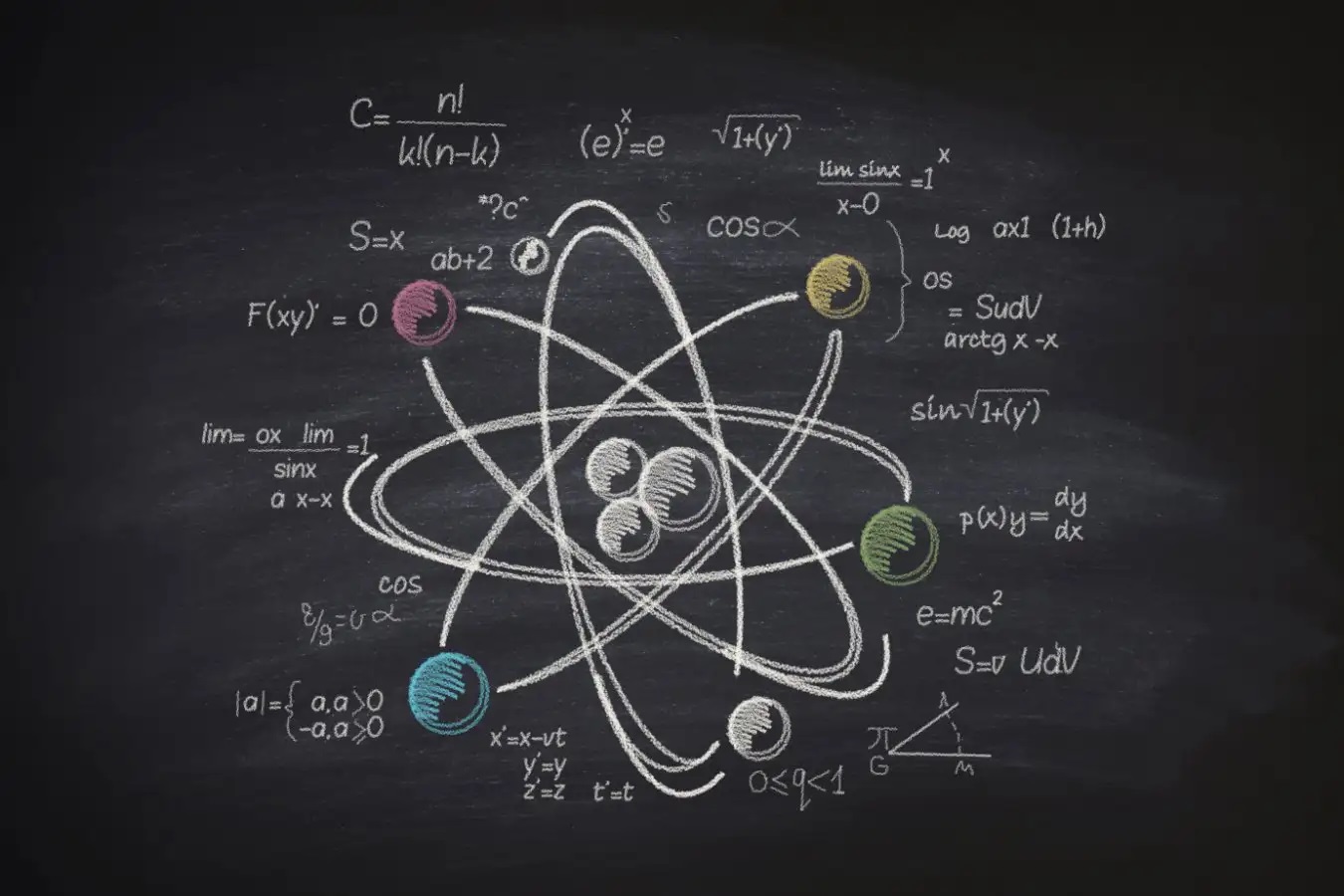
Chronic stress is not just a mental burden—it reaches deep into the body, affecting cells and genetic material. Prolonged exposure to stress hormones can damage DNA, accelerate cellular aging, and increase vulnerability to disease.
1. Stress Hormones and Cellular Assault
Continuous release of cortisol and adrenaline disrupts normal cell repair processes. Over time, this weakens the body’s ability to fix DNA damage caused by everyday wear and tear.
The bitter truth: stress quietly interferes with the body’s most fundamental repair systems.
2. Oxidative Stress and DNA Breaks
- Increased production of harmful free radicals
- Reduced antioxidant defenses
- Higher risk of DNA strand breaks
- Accumulation of genetic errors over time
The bitter truth: long-term stress turns the body into a hostile environment for its own cells.
3. Accelerated Cellular Aging
Chronic stress is linked to shorter telomeres—the protective caps on DNA. Shortened telomeres are associated with faster aging and increased risk of chronic diseases.
The bitter truth: stress does not just feel exhausting—it may be aging the body from within.
4. Disease Susceptibility
DNA damage caused by prolonged stress may increase the risk of cancer, cardiovascular disease, immune dysfunction, and metabolic disorders.
The bitter truth: untreated stress can silently rewrite the body’s future health.
5. Modern Life as a Stress Engine
Financial pressure, digital overload, job insecurity, and social isolation create constant low-level stress with no clear recovery periods.
The Bitter Reality
Chronic stress is not just emotional—it is biological damage unfolding slowly, cell by cell, gene by gene.
Final Bitter Truth
The link between stress and DNA damage reveals a disturbing reality: the pressures of modern life may be reshaping human biology itself, leaving invisible scars that last far longer than stressful moments.



.jpeg)