Heavy Metals in Baby Food – A Global Scandal
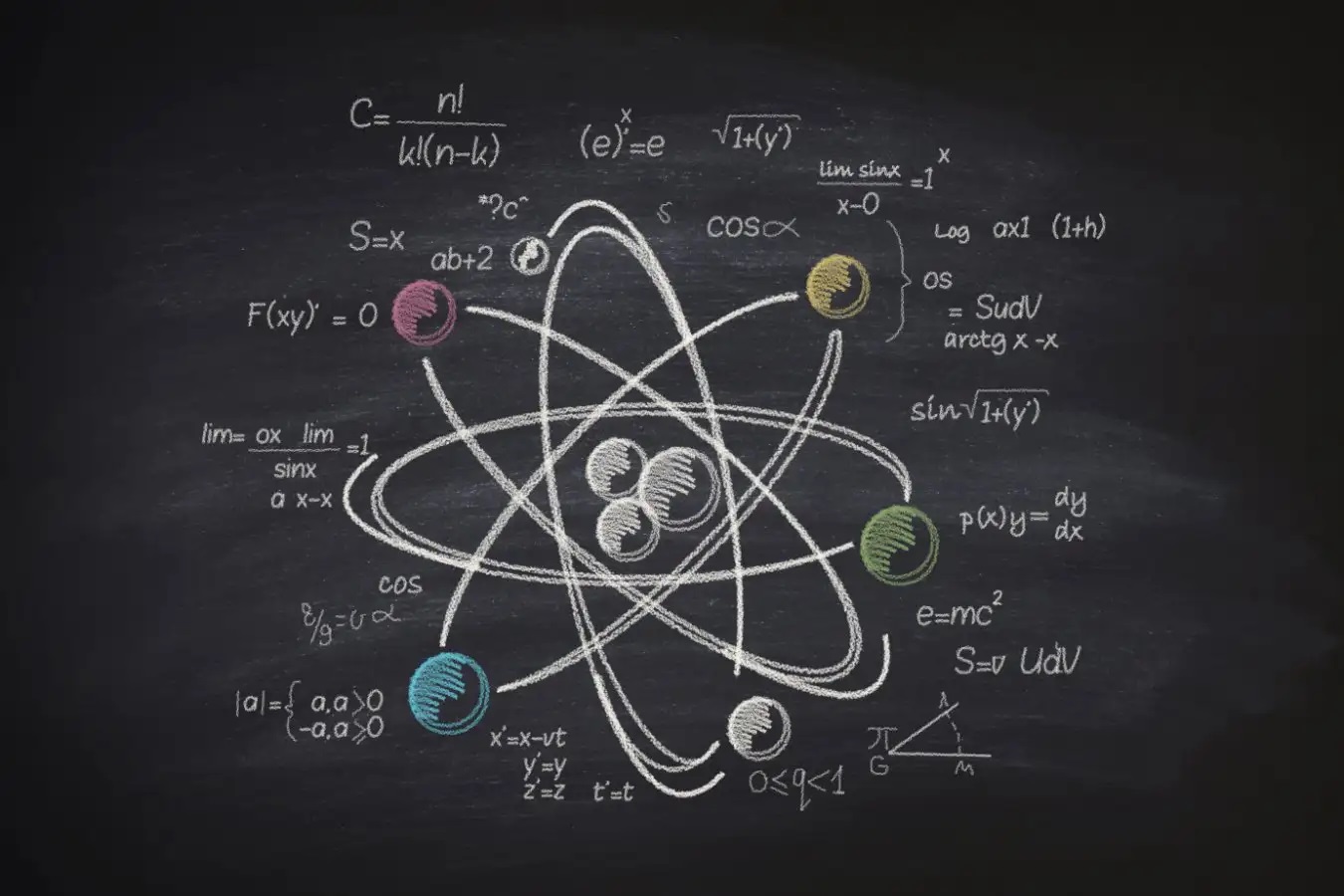
Baby food, meant to nourish and protect, has been found contaminated with heavy metals such as arsenic, lead, and cadmium. These toxic substances silently threaten infant health, potentially impairing brain development and causing long-term harm.
1. Hidden Toxicity
Contaminated grains, rice, and fruits can accumulate heavy metals, which are tasteless, colorless, and undetectable without testing.
The bitter truth: foods designed to nurture may be slowly poisoning the most vulnerable.
2. Global Scale of the Problem
- Contaminated products are found worldwide
- Regulatory limits vary by country
- Major brands have issued recalls but problems persist
- Developing countries often face higher exposure risks
The bitter truth: this is not an isolated issue—it is a systemic, global failure to protect infants.
3. Health Consequences
Heavy metal exposure in babies can lead to:
- Cognitive delays
- Behavioral problems
- Impaired growth
- Increased lifelong risk of chronic diseases
The bitter truth: the damage is often invisible and irreversible, silently shaping a child’s future.
4. Industry and Regulatory Failures
Testing gaps, insufficient regulations, and slow corporate responses allow toxic products to reach store shelves.
The bitter truth: those entrusted with infant health are failing to uphold their responsibility.
5. What Needs to Change
Stricter oversight, transparent labeling, and global collaboration are essential to prevent further harm to babies worldwide.
The Bitter Reality
Parents expect baby food to be safe, yet the hidden presence of heavy metals reveals a world where convenience and profit outweigh child safety.
Final Bitter Truth
The global scandal of heavy metals in baby food is a stark reminder: even the most trusted products may harbor unseen dangers, and vigilance is the only safeguard for the next generation.


.jpeg)