Trump Threatens Use of Insurrection Act as Minneapolis Protests Escalate After Federal Shootings
In January 2026, nationwide attention turned to **Minneapolis** as large protests broke out following a series of law enforcement shootings linked to federal immigration agents. Amid growing unrest, former U.S. President **Donald Trump** issued a stark warning, suggesting he could invoke the **Insurrection Act** — a rarely used law that allows federal troops to be deployed domestically — to quell the demonstrations if local authorities fail to restore order.
Quick Insight:
The move underscores intense friction between federal authority and local governance, as well as deep divisions in how law enforcement, immigration policy, and protest rights are balanced in the United States.
Background to the Unrest
• Minneapolis saw significant protests after **federal immigration enforcement actions resulted in multiple shootings**, sparking outrage among residents and civil rights advocates.
• Demonstrators have called for federal agents, including ICE personnel, to withdraw from local operations, criticizing the use of force in residential neighborhoods.
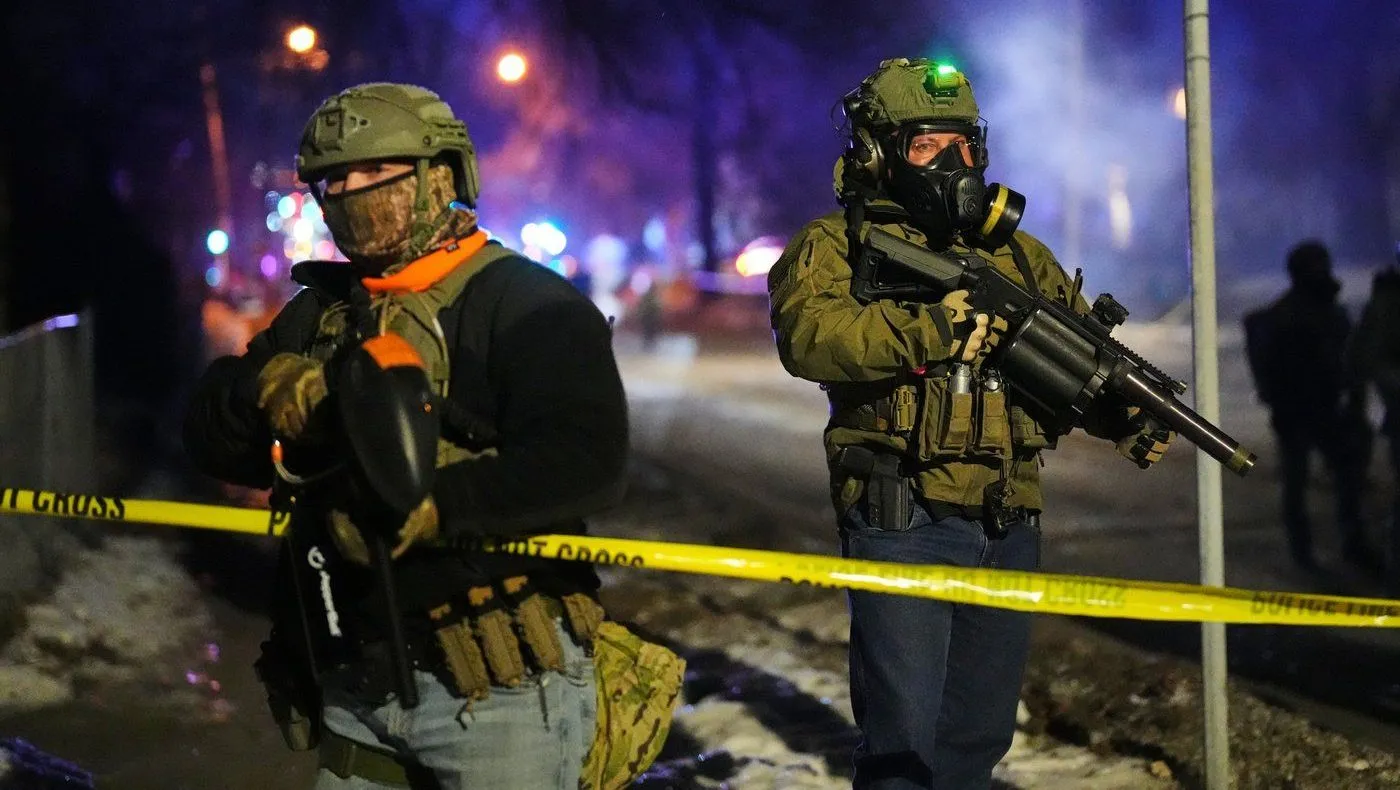
• The situation escalated as demonstrators and law enforcement confronted each other near federal buildings and public spaces, leading to tense standoffs and clashes.
The Insurrection Act Warning
• Trump’s statement suggesting use of the **Insurrection Act** marked an escalation in rhetoric from national leadership concerning the unrest.
• The Act would allow federal military forces to be deployed to support local law enforcement if civil disorder is deemed beyond control.
• Such a move is historically rare and raises questions about federal intervention in domestic protests.
• Trump’s comments were framed as a response to what he described as “lawlessness” and a failure by local officials to maintain safety.
Response from Local Leaders
• Officials in Minnesota, including state and city leadership, criticized the threat to use military force, arguing it undermines democratic process and local authority.
• Local leaders have emphasised the importance of de-escalation, dialogue, and peaceful protest, while urging federal agents to work collaboratively with community stakeholders.
• Calls for independent reviews and investigations into the shootings have grown louder as protests continue.
Public Reaction and Broader Implications
• Public reaction has been sharply divided: supporters of tougher federal action argue that order must be maintained, while civil liberties advocates warn against militarising domestic disputes.
• National debates over immigration enforcement, federal authority, and protest rights have intensified as a result of the Minneapolis situation.
• The threat to use the Insurrection Act has revived discussions on how and when military force should be used in domestic contexts, especially amid social unrest.
Final Thoughts
Trump’s warning to potentially mobilise federal troops under the Insurrection Act reflects the deep polarization surrounding protests tied to federal law enforcement actions. As Minneapolis remains a focal point for demonstrations and debate, how leaders at all levels respond will influence ongoing national conversations about civil liberties, public safety, and the role of government in managing internal conflicts.