15. January 2026
Admin
Tensions in Iran Appear to Ease as U.S. and Tehran Offer Conflicting Signals
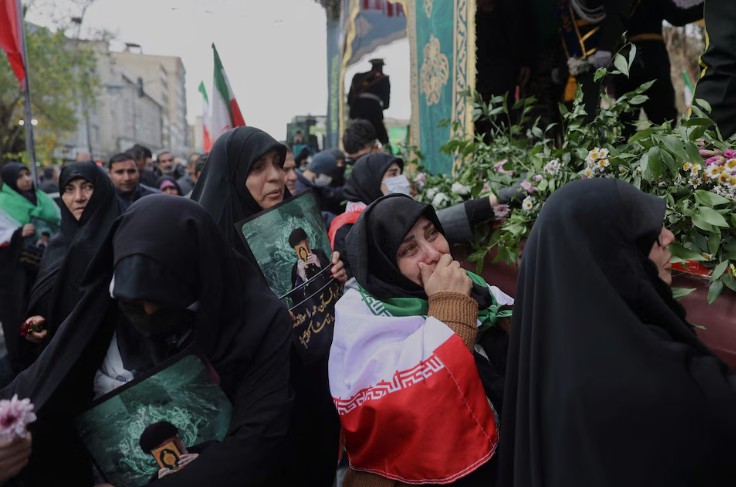
In mid‑January 2026, U.S. President Donald Trump said he had received reports suggesting that Iran’s violent crackdown on nationwide protests might be easing. He indicated there was currently no plan for widespread executions of detained protesters — a concern that had fueled fears of escalating violence and possible U.S. intervention. Meanwhile, Iranian officials publicly denied plans to carry out capital punishment against protestors, adding a layer of diplomatic complexity to the ongoing unrest.
Quick Insight:
While announcements from both Washington and Tehran signal a potential de‑escalation, the situation remains uncertain, with broader unrest and international tensions still shaping the response.
Trump Signals Possible De‑Escalation
• President Trump stated that he had been told killings in Iran’s crackdown were subsiding and that large‑scale executions were not planned.
• His comments came during a period of intense global concern about Iran’s handling of nationwide demonstrations.
• Trump retained a cautious stance, emphasizing that the U.S. will continue to monitor developments and not rule out future action.
• The remarks helped ease volatility in global markets, with oil and precious metal prices retreating from recent highs.
Iran’s Official Position
• Iranian state media and officials denied that executions were imminent, asserting there was no plan to carry out capital punishment in connection with the protests.
• A specific case involving a detained 26‑year‑old man reportedly drew attention but was clarified by authorities as not subject to the death penalty.
• Tehran’s response emphasized that charges against protesters would follow legal procedures without resorting to execution.
Protests and Regional Tensions
• The protests in Iran have been described as some of the most intense since the 1979 revolution, sparked initially by economic hardship and spreading into broader anti‑government demonstrations.
• The situation triggered international reactions, with countries reviewing personnel deployments in the Middle East as a precaution amid heightened tensions.
• Despite signs of a reduction in hostilities, underlying unrest and geopolitical risks continue to influence diplomatic and military postures in the region.
Final Thoughts
Statements from both the United States and Iran suggest a tentative easing in the immediate crisis over the crackdown on protests. However, conflicting signals and the broader context of civil unrest mean that uncertainty persists. How events unfold will depend on developments on the ground, diplomatic engagement, and regional dynamics in the coming days and weeks.


.jpeg)
.jpeg)