13. January 2026
Admin
US Marines Test Autonomous Drones to Assist Crewed Fighter Jets
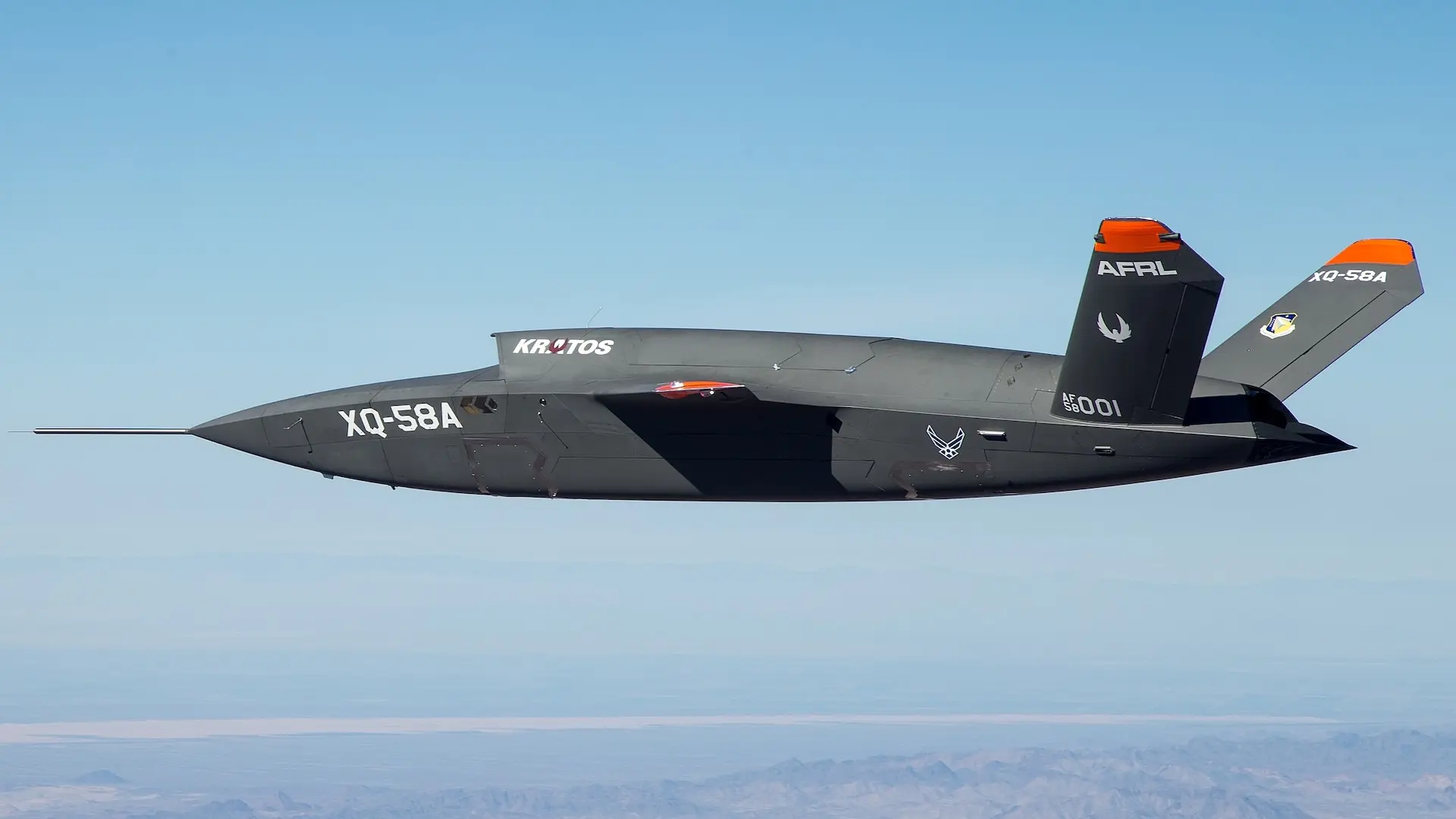
The United States military is advancing development of **autonomous combat drones designed to fly alongside crewed fighter jets**, providing support, defense, and mission flexibility in high‑threat environments. These next‑generation unmanned systems are being tested by the US Marine Corps in partnership with major defense companies, marking a key step in modern aerial warfare capabilities.
Quick Insight:
Rather than being remote‑controlled, these autonomous drones are being built to operate alongside human pilots with minimal direction, carrying out tasks such as threat diversion, electronic warfare, and support roles during complex air missions.
What the New Drones Can Do
• These advanced drones are designed to function as **collaborative combat aircraft** that can accompany fighter jets and extend mission reach.
• They can help **distract or draw enemy fire**, act as decoys, and provide **backup offensive capabilities** in contested airspace.
• Future versions are expected to carry out **electronic warfare tasks**, such as disrupting enemy communications and radar systems to protect manned aircraft.
Partnership Between US Marines and Industry
• The US Marine Corps is working with defense industry leaders to develop the drone platform and integrate advanced sensors and mission systems.
• The goal is to deploy autonomous aircraft that can augment manned jets like the F‑35 and future fighter platforms, increasing operational flexibility without placing pilots at added risk.
• Collaborative development focuses on modular design and open‑architecture systems that allow these drones to undertake multiple mission types.
Trend Toward Human‑Machine Teaming
• Autonomous drones operating in tandem with crewed aircraft reflect a broader military strategy known as **man‑unmanned teaming**, where humans and intelligent machines operate together.
• Such systems aim to enhance decision‑making in complex environments by dividing tactical tasks between human pilots and robotic wingmen.
• Similar programs across the military are testing the integration of uncrewed aircraft into training exercises, highlighting the US focus on future aerial combat architecture.
Final Thoughts
The development of autonomous drones that can assist crewed fighter jets marks a significant shift in aerial combat strategy. By combining human decision‑making with autonomous capabilities, the military aims to increase mission effectiveness, reduce risk to pilots, and maintain a technological edge in future conflicts.