10. January 2026
Admin
U.S. Air Force Moves Special Operations Forces Toward North Atlantic in Move Against Russia
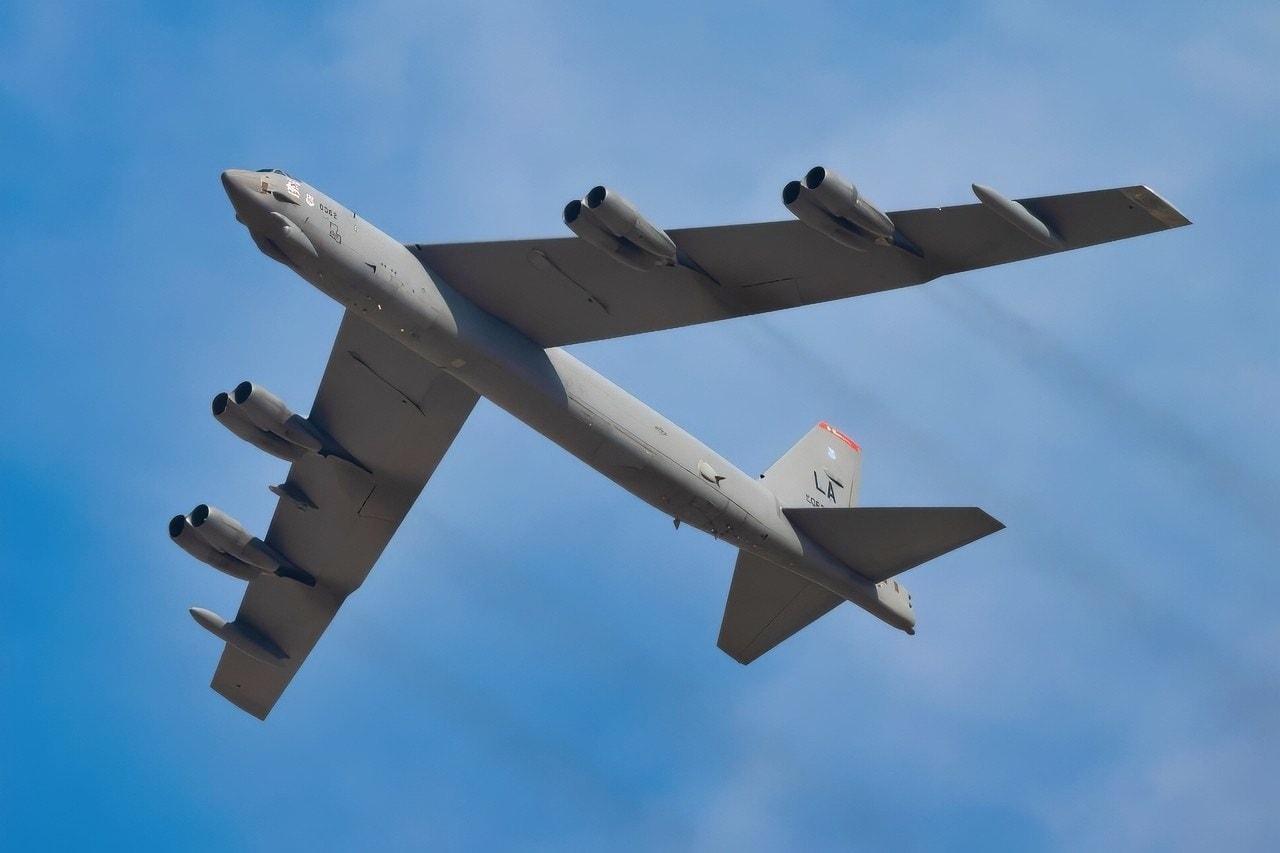
The U.S. Air Force has repositioned special operations aircraft closer to the North Atlantic in a notable step that reflects heightened military activity in response to evolving geopolitical tensions involving sanctioned Russian-flagged vessels and broader strategic concerns. These movements follow a sustained effort by U.S. authorities to monitor and, if necessary, interdict naval traffic associated with sanctioned oil shipments.
Quick Insight:
The deployment includes multiple intelligence, surveillance, and reconnaissance planes operating from bases in the United Kingdom and pointed toward areas of strategic interest where sanctioned tankers have been tracked. Such activity underscores the U.S. military’s readiness to support allied operations and enforce international sanctions at sea.
U.S. Special Operations Air Deployment
• Special operations aircraft, including reconnaissance variants designed for broad surveillance and tactical support, have been repositioned northward from airbases in the United Kingdom toward waters in the North Atlantic.
• These aircraft are being used to track the movements of targeted vessels that have been subject to sanctions enforcement actions, extending their reach to areas where maritime activity intersects European strategic approaches.
• In support of these operations, Air Force units also conducted specialized airborne training and forward operating maneuvers designed to maintain high levels of precision and readiness.
Support and Coordination in the Region
• The repositioned air assets are operating in coordination with other branches of the U.S. military and allied partners in Europe, helping provide continuous monitoring of maritime traffic and potential interdiction scenarios.
• Training exercises involving fast-rope insertions and other operational rehearsals have also occurred at joint bases in the United Kingdom, enhancing preparedness for a range of potential missions.
• The increased activity complements broader deterrence and reconnaissance efforts across the North Atlantic and northern European theatre.
Strategic Context
• These movements come amid intensified enforcement of sanctions and maritime monitoring operations targeting sanctioned oil tankers, some of which have been linked to efforts to bypass international restrictions.
• The presence of advanced U.S. aircraft in northern waters serves as both a practical surveillance measure and a visible signal of commitment to allied security and freedom of navigation in contested areas.
• This posture reflects broader strategic priorities that include working with partner nations to uphold rules-based order and deter adverse actions by rival powers.
Final Thoughts
The U.S. Air Force’s movement of special operations aircraft toward the North Atlantic showcases a nuanced blend of tactical readiness and strategic signaling in a complex geopolitical environment. As maritime enforcement efforts continue and tensions shift, these deployments help ensure situational awareness, operational flexibility, and strong coordination with allies to maintain stability across key trans-Atlantic routes.




















.jpeg)