South Korea Integrates 100‑Qubit Quantum System into National HPC Cluster
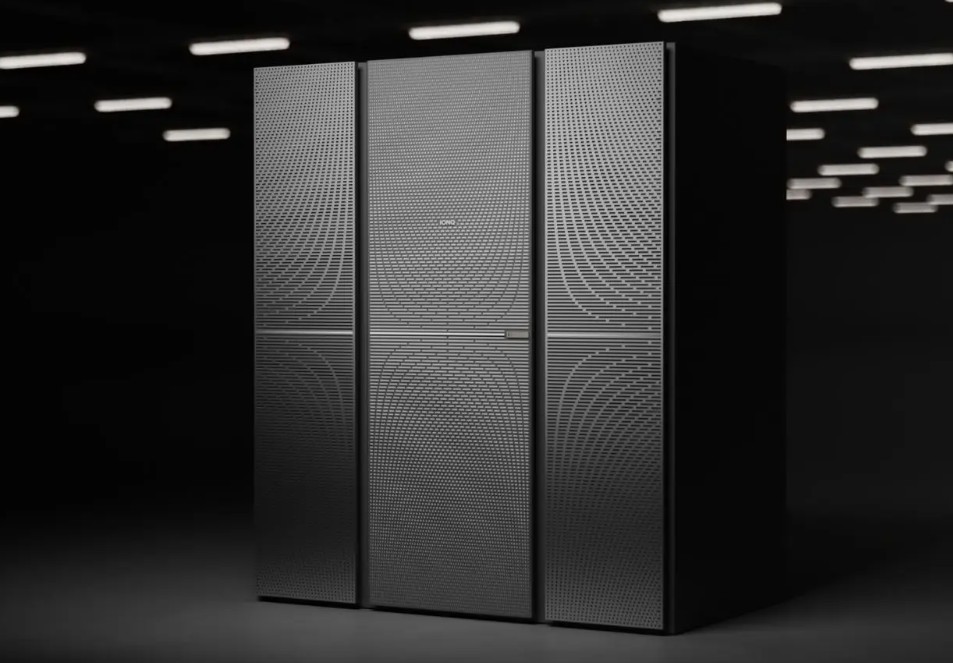
A groundbreaking 100‑qubit quantum computing system is being deployed to South Korea, marking a historic step in the country’s quantum research and technological capabilities. The system will be integrated into the nation’s largest high-performance computing cluster, creating the first hybrid quantum-classical onsite environment in South Korea.
Quick Insight:
The new system is designed for maximum computational capacity and accessibility, supporting researchers, universities, and enterprise users through a secure private cloud environment.
Integration into National Supercomputing
• The 100‑qubit system will be installed in KISTI-6 (“HANGANG”), South Korea’s flagship high-performance computing cluster.
• This integration enables the first hybrid quantum-classical computing environment in the country, supporting both experimental research and applied computation.
• Researchers will have direct access to advanced quantum resources alongside classical supercomputing power, enabling complex, real-world problem solving.
Secure Cloud Access for Research and Enterprise
• The quantum cluster will be accessible through a secure private cloud platform, allowing remote use by South Korean researchers, academic institutions, and enterprises.
• The setup ensures scalable access while maintaining the highest security standards, facilitating collaboration and innovation.
• This approach expands the reach of quantum computing beyond a single physical location, creating a national hub for advanced computation.
National Quantum Computing Platform
• The South Korean institute will oversee the development and operation of a quantum computing service platform.
• The platform is designed to support both academic research and enterprise applications, providing infrastructure, algorithms, and technical expertise.
• The system aims to accelerate breakthroughs in healthcare, materials science, finance, logistics, and other data-intensive fields.
Tempo 100 Quantum System Capabilities
• The system is designed with fast gate speeds, mid-circuit measurement, and 99.9% fidelity, enabling complex computations that were previously unattainable.
• It provides a large number of computational states, supporting production-ready quantum applications.
• South Korea’s deployment positions it to leverage early advantages in the emerging quantum economy, where initial adopters may capture a significant portion of commercial value.
Future Roadmap and Innovation Potential
• Plans are in place to scale quantum computing capabilities toward millions of qubits by 2030, supporting research in drug discovery, financial modeling, cybersecurity, defense, and quantum networking.
• Integration with classical supercomputing and secure cloud access ensures the system can be leveraged across scientific and industrial domains.
• The deployment strengthens South Korea’s leadership in quantum research and creates practical infrastructure for cutting-edge innovation.
Final Thoughts
South Korea’s integration of a 100‑qubit quantum system into its national supercomputing cluster represents a historic milestone in the country’s technology landscape. By combining quantum and classical computing, offering secure cloud access, and providing a national platform for research and enterprise, this deployment sets the stage for groundbreaking discoveries and practical applications across multiple industries.