03. January 2026
Admin
NASA Thanks Turkish Researcher for Helping Close Security Gaps
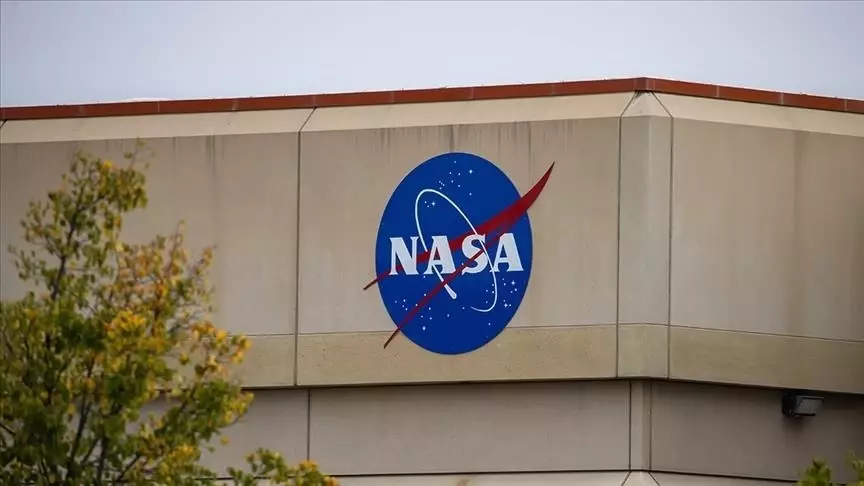
NASA has sent an official letter of appreciation to a **Turkish cybersecurity researcher** for identifying and responsibly reporting critical vulnerabilities in its systems — helping the agency close them before they could be exploited.
Quick Insight:
This recognition highlights how ethical security research can strengthen digital infrastructure and protect sensitive information — even at major organisations like NASA.
The Researcher Behind the Discovery
• The recipient of NASA’s gratitude is 28-year-old Hasan İsmail Gülkaya, a cybersecurity expert based in Denizli, Turkey.
• Gülkaya identified **four critical vulnerabilities** within NASA’s online systems and reported them through the agency’s Vulnerability Disclosure Program.
• His detailed reports enabled NASA to address the weaknesses before they were exploited by malicious actors.
Details of the Security Gaps
• One of the identified vulnerabilities could have allowed unauthorised access to senior officials’ meeting information.
• The remaining three flaws carried the potential for **serious financial and operational risks** if left unaddressed.
• By reporting these issues clearly and responsibly, Gülkaya helped safeguard both data and infrastructure.
NASA’s Thank-You Letter
• NASA’s formal letter recognised Gülkaya’s work as an **independent security researcher** acting responsibly under established disclosure policies.
• The letter was signed by a senior figure in NASA’s security leadership and emphasised the value of ethical reporting.
• NASA noted that his contribution helped protect the agency’s systems and supported its mission of safe scientific and technological research.
What This Means for Cybersecurity
• Ethical reporting of vulnerabilities strengthens systems by allowing organisations to fix issues before they are exploited.
• NASA’s response demonstrates the importance of open reporting channels like Vulnerability Disclosure Programs.
• Such programs encourage researchers around the world to help improve digital security at global institutions.
Final Thoughts
NASA’s acknowledgement of a Turkish researcher’s work highlights the global nature of cybersecurity collaboration. By responsibly identifying and reporting risks, independent experts can make a significant impact — protecting digital infrastructure and advancing trust in critical systems.