Uploading Animal Brains Into Computers
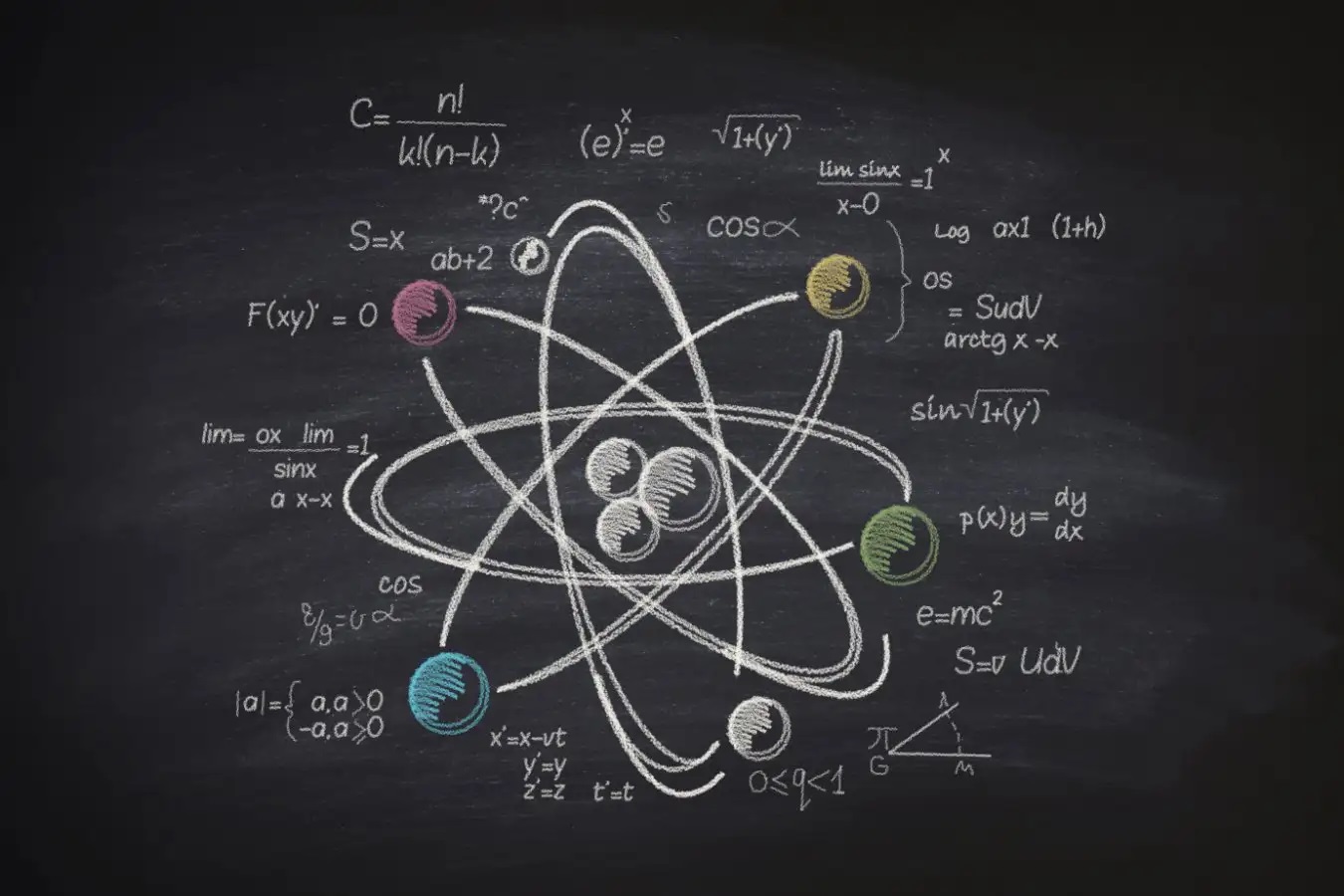
As neuroscience, artificial intelligence, and computing power advance, a once‑science‑fiction idea is being discussed seriously: the possibility of copying or simulating animal brains inside computers. Researchers are exploring whether digital models could replicate perception, learning, and behavior.
1. What Brain Uploading Claims
The concept suggests that if a brain’s neural structure and signaling patterns can be mapped with enough detail, its functions could be recreated in a digital environment, allowing an animal’s cognition to exist in software rather than biology.
The bitter truth: copying structure does not guarantee copying experience.
2. What Has Actually Been Achieved
- Digital simulations of simple neural circuits
- Computer models that mimic basic animal behaviors
- Brain‑inspired AI trained on biological principles
- Limited success with very small organisms and systems
These efforts focus on understanding brains, not recreating conscious animals.
3. Why Scientists Are Cautious
- Brains are vastly more complex than current models
- Consciousness and subjective experience remain unexplained
- Ethical concerns about digital suffering
- Unclear criteria for success or failure
The bitter truth: creating a digital mind without understanding awareness risks unintended moral consequences.
4. Potential Implications If Possible
- New tools for studying cognition and disease
- Reduced need for live animal testing
- Ethical dilemmas about digital life and rights
- Blurring boundaries between biological and artificial intelligence
The bitter truth: progress could eliminate some harms while introducing entirely new ones.
5. The Road Ahead
Researchers emphasize incremental modeling, strict ethical oversight, and humility about what simulations can truly represent. Understanding brains may take centuries, not decades.
The Bitter Reality
Uploading animal brains is less about transferring life into machines and more about testing the limits of human understanding.
Final Bitter Truth
The danger is not that computers might host animal minds — but that humanity might create digital systems capable of experience before deciding how they should be treated.