30. December 2025
Admin
Samsung Engineer Accused of Leaking 10nm DRAM Process Data to China’s CXMT
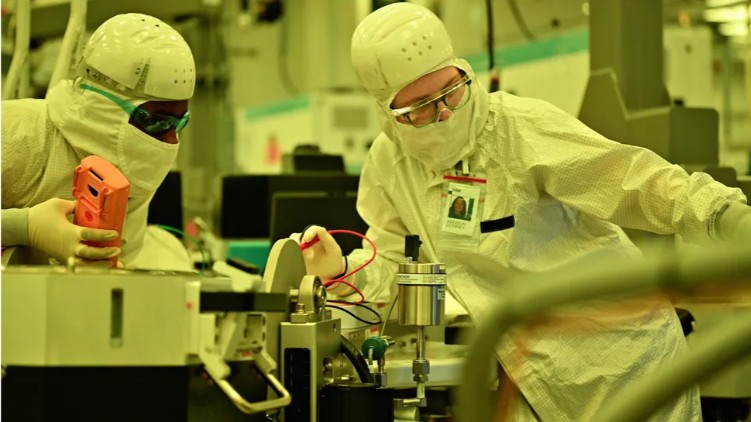
South Korean prosecutors have accused a former Samsung Electronics engineer of illegally transferring highly sensitive semiconductor manufacturing knowledge to China’s ChangXin Memory Technologies (CXMT). The case centers on Samsung’s advanced 10-nanometer-class DRAM process — one of the most closely guarded technologies in the global memory industry.
Quick Insight:
DRAM manufacturing processes involve thousands of tightly controlled steps. Even partial leaks of this information can save competitors years of research and billions of dollars in development costs.
1. What Was Allegedly Leaked
• Detailed 10nm-class DRAM fabrication steps, including gas flow ratios, photoresist settings, and reactor conditions.
• Handwritten notes reportedly documenting more than 600 individual process stages.
• Know-how that would normally take years of trial-and-error to develop independently.
2. How the Information Was Transferred
• Investigators say the engineer copied sensitive data by hand to avoid Samsung’s digital security systems.
• The information was allegedly passed to engineers and executives linked to CXMT.
• Prosecutors believe the data transfer occurred over several years.
3. Why 10nm DRAM Technology Is So Valuable
• Smaller process nodes allow more memory cells per chip, improving performance and reducing power consumption.
• Developing a stable 10nm DRAM process can cost billions of dollars in R&D.
• Mastery of this technology gives companies a major advantage in markets like servers, AI systems, and smartphones.
4. Impact on the Global Semiconductor Industry
• The case highlights growing tensions over semiconductor technology between major economies.
• South Korea considers advanced chip processes part of its national strategic assets.
• Faster progress by CXMT could increase competition for established memory giants like Samsung and SK hynix.
5. Legal and National Security Implications
• The accused face charges under South Korea’s industrial technology protection laws.
• Authorities argue the leak could cause massive economic damage and weaken national competitiveness.
• The case may lead to stricter controls on engineers moving between global chipmakers.
Final Thoughts
As semiconductor technology becomes increasingly central to economic and national security, cases like this underline how valuable — and vulnerable — advanced manufacturing knowledge can be. The outcome of the investigation may shape how countries and companies protect their most critical technologies in the years ahead.