Why Scientists Are Nervous About Self-Replicating Nanobots
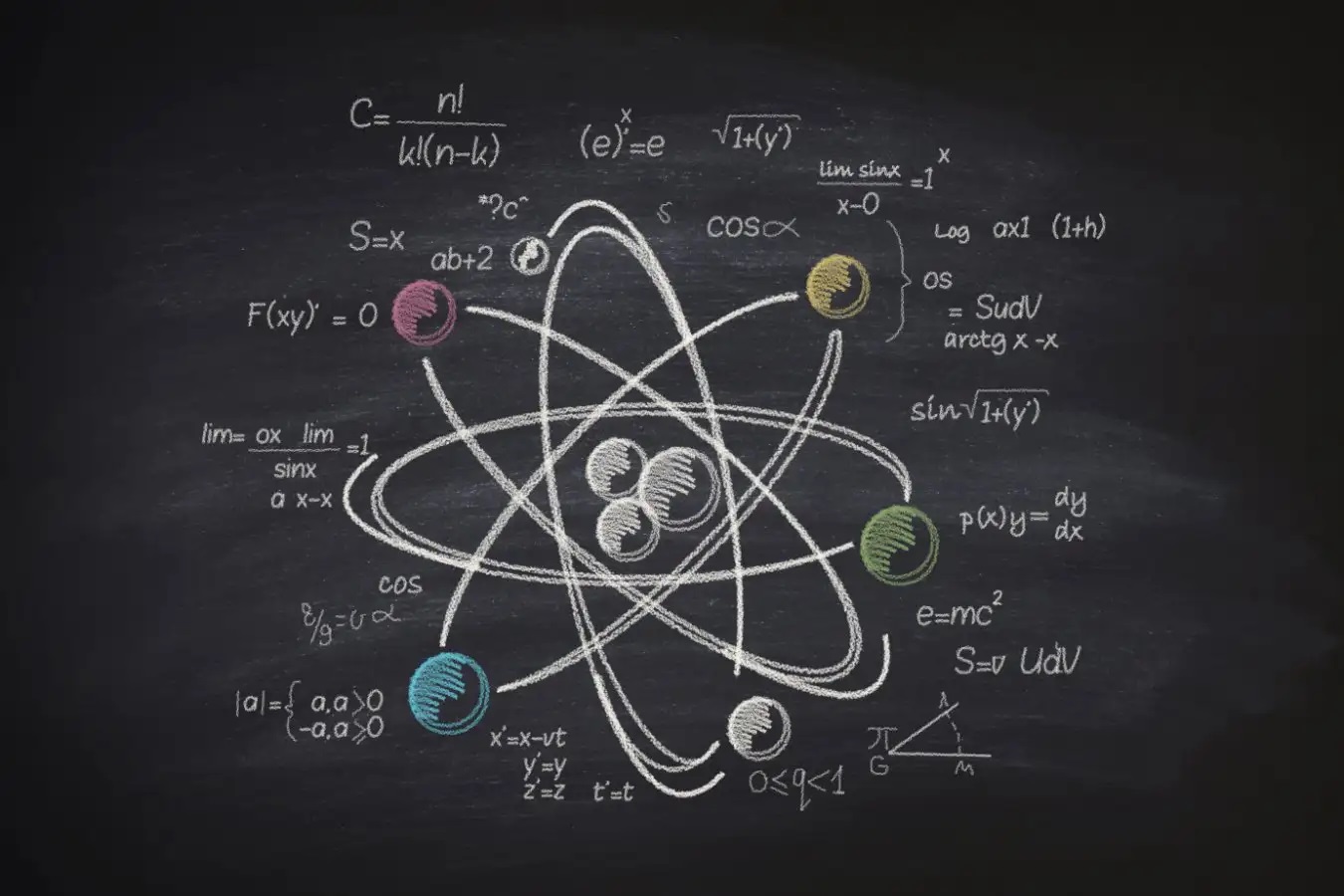
Nanotechnology promises to revolutionize medicine, manufacturing, and environmental cleanup. Yet self-replicating nanobots — microscopic machines capable of making copies of themselves — are raising unprecedented concerns in the scientific community.
1. What Self-Replicating Nanobots Are
These nanobots are designed to perform tasks at the molecular level and reproduce autonomously using available resources. Theoretically, they could repair tissues, build materials, or clean pollutants on an enormous scale.
The bitter truth: machines that can replicate themselves could escape human control.
2. Potential Benefits
- Targeted medical therapies inside the human body
- Rapid construction of nanomaterials and devices
- Environmental cleanup of toxins and pollutants
- Exploration in inaccessible or hazardous environments
These possibilities are revolutionary, but the margin for error is minuscule.
3. Why Scientists Are Nervous
- Uncontrolled replication could consume resources uncontrollably
- Nanobots could mutate or evolve unpredictably
- They might interact in unforeseen ways with biological systems
- Even a small error could escalate into a global-scale problem
The bitter truth: a tiny, microscopic error could trigger catastrophic consequences.
4. Current Safeguards
Researchers are exploring:
- Built-in “kill switches” to stop replication
- Containment protocols in labs
- Strict regulatory oversight
- Ethical frameworks to prevent misuse
Despite safeguards, the technology’s potential for runaway scenarios keeps many experts on edge.
5. The Human Perspective
Self-replicating nanobots could solve problems no human can reach, but they could also create risks no human can fully predict or undo.
The Bitter Reality
Humanity is on the brink of creating machines that could outpace understanding, control, and consequence management.
Final Bitter Truth
Self-replicating nanobots reveal a stark choice: revolutionary benefits come with unprecedented risks. The bitter truth is that as we build the smallest machines, we face some of the largest ethical and existential questions in history.


















































.jpg)